
When you have a damaged or decayed tooth, your dentist might recommend either a filling or a crown. Both treatments fix teeth, but they work in different ways and handle different levels of damage.
Knowing when each option makes sense can help you feel more confident about your dental care.
Fillings work best for small areas of decay when your tooth is still strong, while crowns are better when a tooth is weakened, cracked, or has extensive damage.
A crown covers your entire tooth like a protective cap and provides better long-term protection when a filling can no longer do the job.
Understanding the difference between these two treatments helps you make informed decisions about your dental health.
This guide will walk you through when a crown becomes the smarter choice over a filling, what types are available, and how to care for your restoration once it’s in place.
Key Takeaways
- Crowns are recommended when teeth have extensive decay, cracks, or have undergone root canal treatment
- Fillings repair small damaged areas while crowns reinforce and protect the entire tooth structure
- Crowns typically last longer than fillings and prevent future dental problems in severely damaged teeth
Get personalized advice on whether a crown or filling is the right solution for your dental needs.
Understanding Fillings and Dental Crowns
Both fillings and dental crowns repair damaged teeth, but they work in different ways and solve different problems. A filling fixes small areas of decay, while a crown covers your entire tooth when damage is more serious.
What Is a Dental Filling?
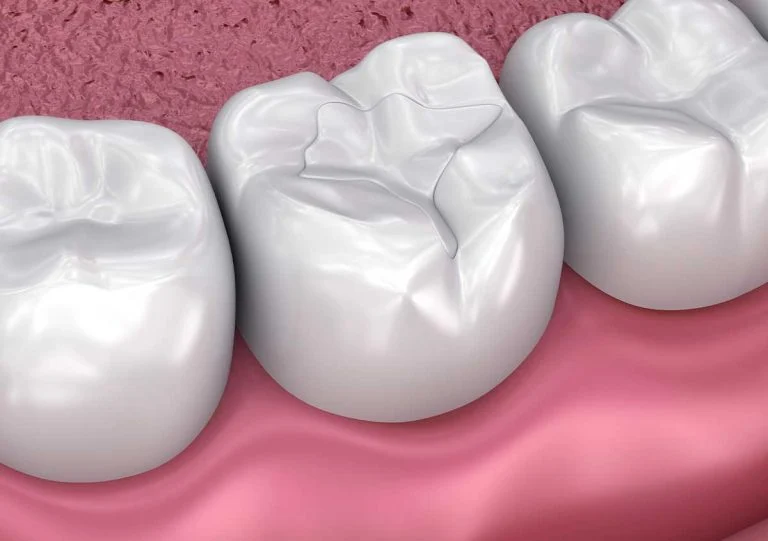
A dental filling repairs small to medium-sized cavities in your teeth. Your dentist removes the decayed part of your tooth and fills the empty space with a special material.
The most common filling materials include:
- Composite resin (tooth-colored plastic)
- Amalgam (silver-colored metal mix)
- Gold
- Porcelain
Getting a filling is quick and minimally invasive, and your dentist can usually complete the work in one visit. The procedure preserves most of your natural tooth structure.
Fillings work best when you still have enough healthy tooth to support the restoration. They’re ideal for small cavities, minor chips, and tooth fractures.
What Is a Dental Crown?
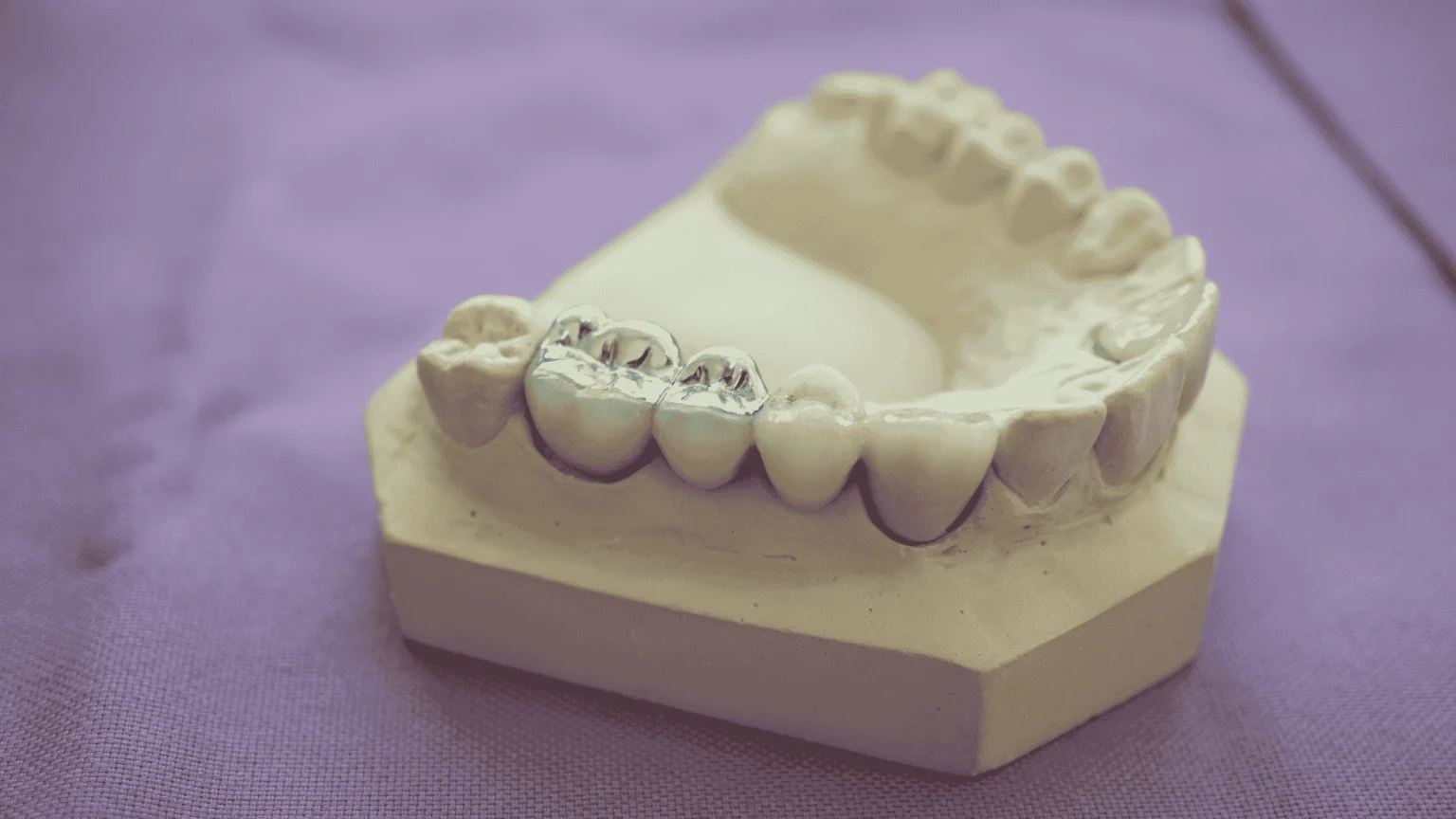
A dental crown is a cap that covers your entire visible tooth. It restores a tooth’s shape, size, strength, and appearance when damage is too severe for a filling.
Crowns are made from different materials:
- Porcelain or ceramic
- Metal alloys
- A combination of metal and porcelain
Your dentist typically recommends a crown for large cavities that weaken your tooth structure, teeth that had root canal treatment, or severely cracked or broken teeth.
Crowns are also used for teeth with large failing fillings that can no longer hold up.
Getting a crown usually takes two dental visits. Your dentist prepares your tooth and takes impressions during the first appointment, then places the permanent crown at your second visit.
Crowns vs Fillings: Main Differences
The main difference between a crown vs filling is how much of your tooth each treatment covers and repairs.
| Feature | Filling | Crown |
| Coverage | Fills a cavity or small damaged area | Covers entire visible tooth |
| Damage Level | Small to moderate decay | Severe decay or damage |
| Visits Needed | Usually one | Typically two |
| Cost | Less expensive | More expensive |
| Tooth Preservation | Keeps more natural tooth | Requires more tooth removal |
Crowns are generally more expensive than fillings because they require lab work and more complex procedures. A filling is the better choice when your cavity is small and your tooth has enough healthy structure remaining.
You need a crown when more than half your tooth is decayed or when a large filling has weakened your tooth. The crown provides the strength and protection needed to prevent your tooth from breaking.
How Dentists Decide: Crown or Filling?
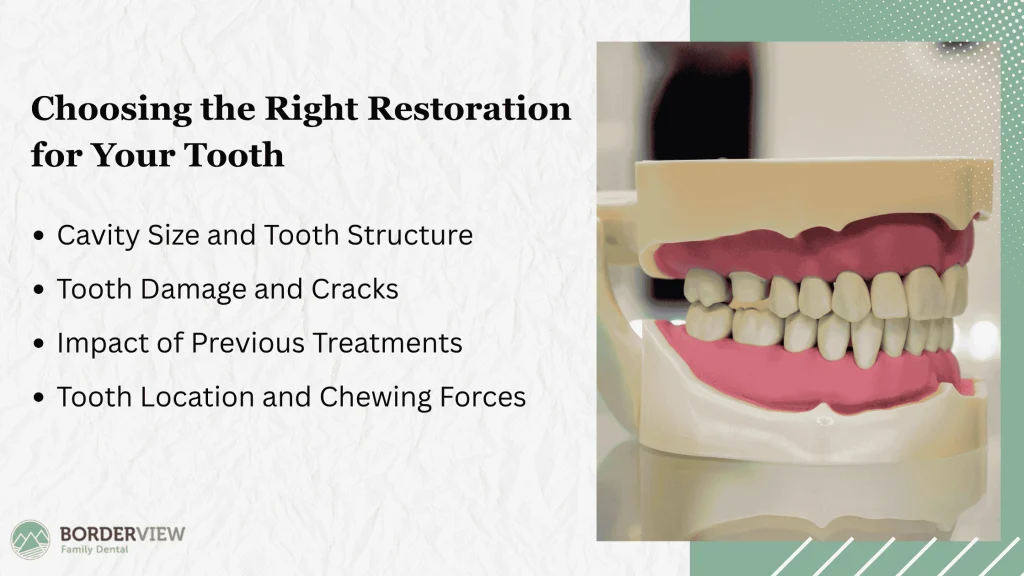
Dentists look at several factors when choosing between a crown and filling for your tooth. The size of your cavity, the amount of damage present, your dental history, and which tooth needs repair all play a role in this decision.
Cavity Size and Tooth Structure
The amount of healthy tooth structure you have left is the most important factor. When you have a small cavity, a filling works well because there’s enough strong tooth material to support it.
Your dentist can remove the decay and fill the space while keeping most of your natural tooth intact.
Large cavities that affect more than half the tooth need a crown instead. A filling won’t hold properly when too much tooth structure is missing. The remaining tooth becomes weak and can break under normal pressure.
Your dentist measures how much healthy enamel and dentin remains. If the cavity has destroyed a significant portion of your tooth, a crown provides the strength needed to restore the tooth fully.
Tooth Damage and Cracks
Cracks and fractures require different treatment than simple cavities. A small chip or minor crack can often be fixed with a filling if it doesn’t go deep into the tooth. The filling bonds to the healthy structure and restores the shape.
Deep cracks or breaks need a crown because they compromise the entire tooth. A crown wraps around the damaged tooth like a protective cap. This prevents the crack from spreading and holds the tooth together.
Severe tooth damage from injury or grinding also calls for a crown. Fillings can’t protect a tooth that’s been weakened throughout its structure. The crown distributes chewing forces evenly and prevents further damage.
Impact of Previous Treatments
Your dental history affects what treatment works best. A tooth that already has a large filling may need a crown if more decay develops. The original filling already removed tooth structure, so there’s less healthy material left to work with.
Teeth that have had a root canal treatment always need crowns. Root canal therapy removes the nerve and blood supply, making the tooth brittle. Without a crown, the tooth can crack or break easily when you chew.
Multiple fillings in one tooth also weaken it over time. Your dentist may recommend replacing several old fillings with a crown to protect what’s left of your natural tooth.
Tooth Location and Chewing Forces
Back teeth like molars and premolars handle more chewing forces than front teeth. These teeth grind and crush food all day long. When a back tooth has a large cavity, a crown provides the strength needed to handle this pressure.
Small cavities in molars can still get fillings if enough tooth structure remains. Your dentist considers how much force the tooth experiences daily. A crown may be recommended even for moderate damage if the tooth takes heavy chewing forces.
Front teeth don’t bear as much pressure, so fillings work for more situations. However, front teeth are visible when you smile, so crowns might be chosen for cosmetic reasons on damaged front teeth.
When a Dental Crown Is the Better Option
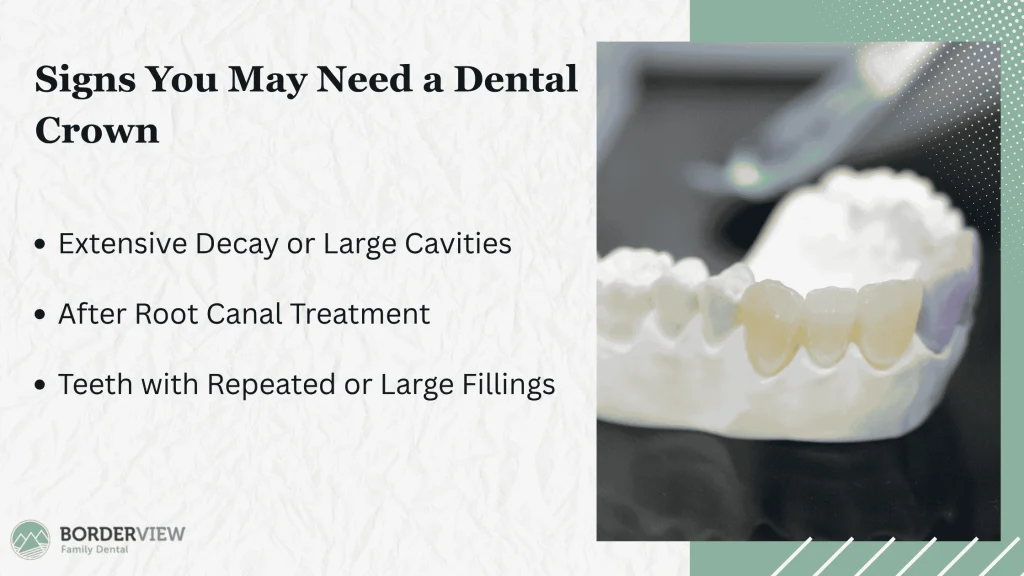
A dental crown becomes necessary when tooth damage is too extensive for a simple filling to provide adequate support and protection.
Crowns are recommended when more than half of the tooth structure is compromised or when the tooth has become weakened from previous treatments.
Extensive Decay or Large Cavities
When you have a large cavity that affects more than half of your tooth, a filling won’t provide enough strength to keep the tooth functional.
Dental crowns are the better choice when a tooth is weakened, cracked, or has a large cavity because they cover and protect the entire visible portion of the tooth.
A filling only patches the damaged area. If too much of your natural tooth structure is gone, the filling material can’t hold up under the pressure of chewing and biting.
Your dentist will remove the decayed portion and then place a permanent crown that acts like a protective cap. This crown procedure restores both the shape and strength of your tooth.
The crown distributes biting forces evenly across the tooth, preventing it from cracking or breaking apart.
After Root Canal Treatment
Your tooth becomes more brittle and prone to fracture after a root canal because the inner pulp and nerves have been removed. A crown protects this weakened tooth structure from breaking during normal use.
Crowns are essential following root canal therapy because the tooth no longer receives nutrients from within. Without a crown, your tooth could crack under pressure when you chew food.
The dental crown procedure typically happens shortly after your root canal heals. Your dentist will shape the tooth and take impressions for your custom crown
This protective covering ensures your treated tooth lasts for many years without complications.
Teeth with Repeated or Large Fillings
If you already have a large filling that’s failing or needs replacement, your tooth may not have enough healthy structure left to support another filling. A crown may be the better choice when the tooth has a failing filling or has been filled multiple times.
Each time a filling is replaced, your dentist must remove additional tooth material. This weakens the remaining tooth walls and makes them more likely to crack. Dental crowns provide complete coverage that holds the remaining tooth structure together.
Your dentist will evaluate whether your tooth has enough strength to handle another filling. If the tooth walls are thin or compromised, crowns offer the protection needed to prevent future fractures and save your tooth.
Types of Dental Crowns and Fillings
Different materials are available for both crowns and fillings, each with unique benefits for strength, appearance, and cost. Your dentist will recommend options based on the tooth location and extent of damage.
Types of Dental Crowns
Porcelain or ceramic crowns look the most like natural teeth and work well for front teeth where appearance matters most. They blend in with your smile but may not be as strong as other options for back teeth.
Zirconia crowns are highly durable and metal-free, making them popular for both front and back teeth. They resist wear and rarely chip or crack. These crowns can handle heavy chewing forces while still looking natural.
Porcelain-fused-to-metal crowns combine strength with aesthetics by layering porcelain over a metal base. The metal provides support while the porcelain surface matches your tooth color.
Gold crowns last the longest and are gentle on opposing teeth. They withstand years of chewing and grinding. However, their color makes them noticeable, so they are usually used on back molars.
Your dentist may place a temporary crown while your permanent one is being made. This protects your tooth between appointments.
Types of Dental Fillings
Composite resin fillings are tooth-colored and blend naturally with your teeth. Dentists commonly use them for front teeth and visible areas. They bond directly to the tooth structure and can be completed in one visit.
Amalgam fillings contain a mixture of metals including silver, mercury, and tin. They are durable and cost-effective for back teeth where strength matters more than appearance. These fillings last 10 to 15 years on average.
Glass ionomer fillings release fluoride over time, which helps prevent future decay. Dentists often use them near the gum line or for children’s teeth.
Gold fillings are strong and long-lasting but more expensive and noticeable than other options. They are less common today due to their appearance and cost.
Longevity, Care, and Maintenance
Dental crowns typically last 10 to 15 years or longer, while fillings generally need replacement sooner. Both options require good oral hygiene and regular dental checkups to protect your investment and keep your teeth healthy.

How Long Do Crowns and Fillings Last?
A well-made dental crown can last 10 to 15 years or longer when you take proper care of it. Some crowns function for 20 years or more with consistent maintenance.
Fillings don’t last quite as long. Composite fillings typically last 5 to 7 years, while amalgam fillings can last 10 to 15 years. The difference comes down to how much of your tooth structure each option covers and protects.
Factors that affect lifespan:
- Material type used for the restoration
- Location of the tooth in your mouth
- Your bite force and grinding habits
- Quality of your daily oral hygiene routine
- How often you visit your dentist
Crown failure usually happens because of decay and bite stress, not just material wear. Plaque buildup at crown margins and teeth grinding cause most early replacements.
Proper Oral Hygiene and Checkups
You need to brush and floss daily to protect both crowns and fillings. Your oral hygiene routine prevents decay from forming around the edges of your restoration.
Brush twice a day for two minutes using fluoride toothpaste. Floss at least once daily, paying special attention to the area where your crown or filling meets your natural tooth. This spot is where bacteria can sneak in and cause problems.
Regular dental checkups help catch issues early. Your dentist can spot loose crowns, cracks, or decay developing beneath restorations before they become serious problems.
Most people should visit every six months for cleanings and exams.
Daily oral hygiene directly protects crown margins because brushing, flossing, and gum health prevent decay beneath the crown where failure often begins.
Avoiding Future Tooth Problems
You can protect your crowns and fillings by avoiding hard foods like ice, hard candy, and popcorn kernels. These can crack or dislodge your dental work.
If you grind your teeth at night, ask your dentist about a night guard. Grinding puts extra stress on both crowns and fillings, which can shorten their lifespan significantly.
Don’t use your teeth as tools to open packages or bottles. This puts unnecessary pressure on your restorations and natural teeth.
Keep up with your dental checkups so your dentist can monitor your oral health and catch any changes early. Small problems are much easier and cheaper to fix than major ones that develop from neglect.
Frequently Asked Questions
Dentists consider several factors when choosing between crowns and fillings, including how much tooth structure remains and the location of the damage. Cost and appearance also play important roles in your decision.
How do I know if my tooth needs a crown instead of a filling?
Your dentist will look at how much of your tooth is damaged or decayed. When more than 50% of your tooth structure is compromised, a crown usually becomes necessary to protect what remains.
The location of the damage matters too. Teeth that handle heavy chewing forces need more protection than others.
Your dentist will also check if you’ve had a root canal. Teeth that have undergone root canal therapy typically need crowns because they become more brittle over time.
Is it okay to skip a crown and keep a large filling instead?
Keeping a large filling when you need a crown puts your tooth at risk. The remaining tooth structure may not be strong enough to support a big filling.
Large fillings have a greater risk of recurring decay because of potential gaps between the filling material and your natural tooth. Your tooth could also crack or break under normal chewing pressure if too much structure is missing.
A crown provides complete protection around the entire tooth. This reduces your chances of needing more expensive repairs later.
What’s the cost difference between getting a filling and getting a crown?
Fillings cost less than crowns because they require less time and materials. You can complete a filling in one visit, which means fewer appointments and less time off work.
Crowns cost more because they involve multiple steps. Your dentist needs to prepare the tooth, take impressions, and have a lab create your custom crown.
Many dental insurance plans cover both crowns and fillings as restorative dentistry, but they may pay a higher percentage for fillings. Check with your insurance provider to understand your coverage.
Will a crown help more than a filling if my tooth is cracked or badly chipped?
A crown works better for cracked or badly chipped teeth because it covers and protects the entire visible part of the tooth. The cap holds all the pieces together and prevents the crack from spreading.
Fillings cannot provide this level of protection. They only fill in the damaged area but don’t surround the tooth.
Crowns become the preferred treatment when a tooth requires additional strength and protection from further damage. A cracked tooth without a crown could split completely and need extraction.
Why does my tooth still hurt after a filling, and would a crown fix that?
Some sensitivity after a filling is normal and usually goes away within a few weeks. You might feel discomfort when eating hot or cold foods.
Pain that continues or gets worse could mean several things. The filling might be too high and needs adjustment, or decay might have reached deeper into your tooth than expected.
A crown won’t automatically fix pain from a filling. Your dentist needs to find out why you’re hurting first. You might need a root canal before getting a crown if the nerve inside your tooth is damaged.
Are crowns a good option for front teeth, and will they look natural?
Crowns work well for front teeth when you have extensive tooth decay, large restorations, or significant structural compromise. Modern crown materials like ceramic and porcelain look very natural.
Your dentist can match the crown color to your other teeth. The crown will reflect light the same way your natural teeth do.
Front teeth crowns need less strength than back teeth crowns, so your dentist can use materials that focus more on appearance. You won’t be able to tell the difference between your crown and your natural teeth when you smile.