
When a tooth gets infected or badly damaged, you face a tough choice. Do you save it with a root canal, or remove it with an extraction? Your decision affects your health, comfort, and your wallet for years to come.
In most cases, a root canal saves you more money in the long run because it keeps your natural tooth and helps you avoid the higher cost of replacement options like implants or bridges.
Extraction may cost less at first, but replacing a missing tooth often adds thousands of dollars over time.
If you want to protect your budget and your smile, you need to understand how each option affects future dental work, bone health, and repeat procedures. A clear comparison helps you choose with confidence instead of stress.
Key Takeaways
- Saving your natural tooth often costs less over many years than removing and replacing it.
- Extraction may seem cheaper upfront but usually leads to added replacement expenses.
- Your long-term comfort and oral health depend on choosing the right option for your specific tooth.
Take the next step toward a healthier smile by booking a comprehensive dental consultation today.
Understanding Root Canal and Tooth Extraction
When a tooth becomes infected or badly damaged, you usually face two options: save it or remove it. Each choice affects your comfort, your bite, and your long-term dental costs.
What Is a Root Canal Treatment?
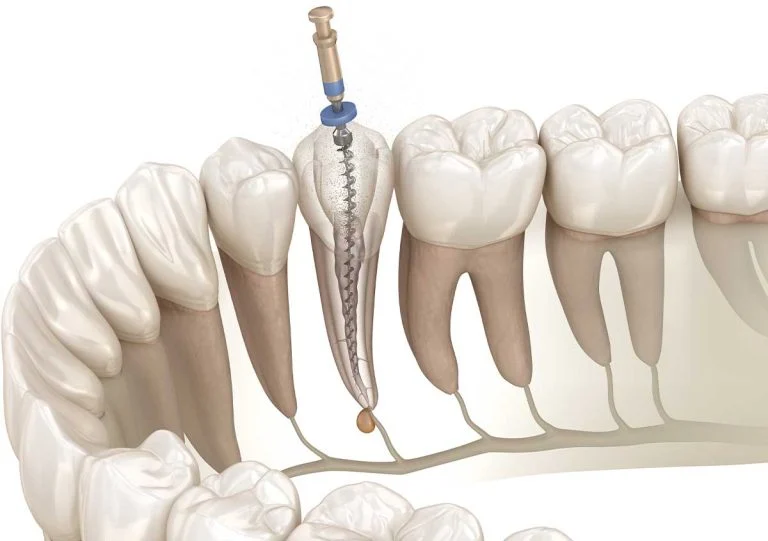
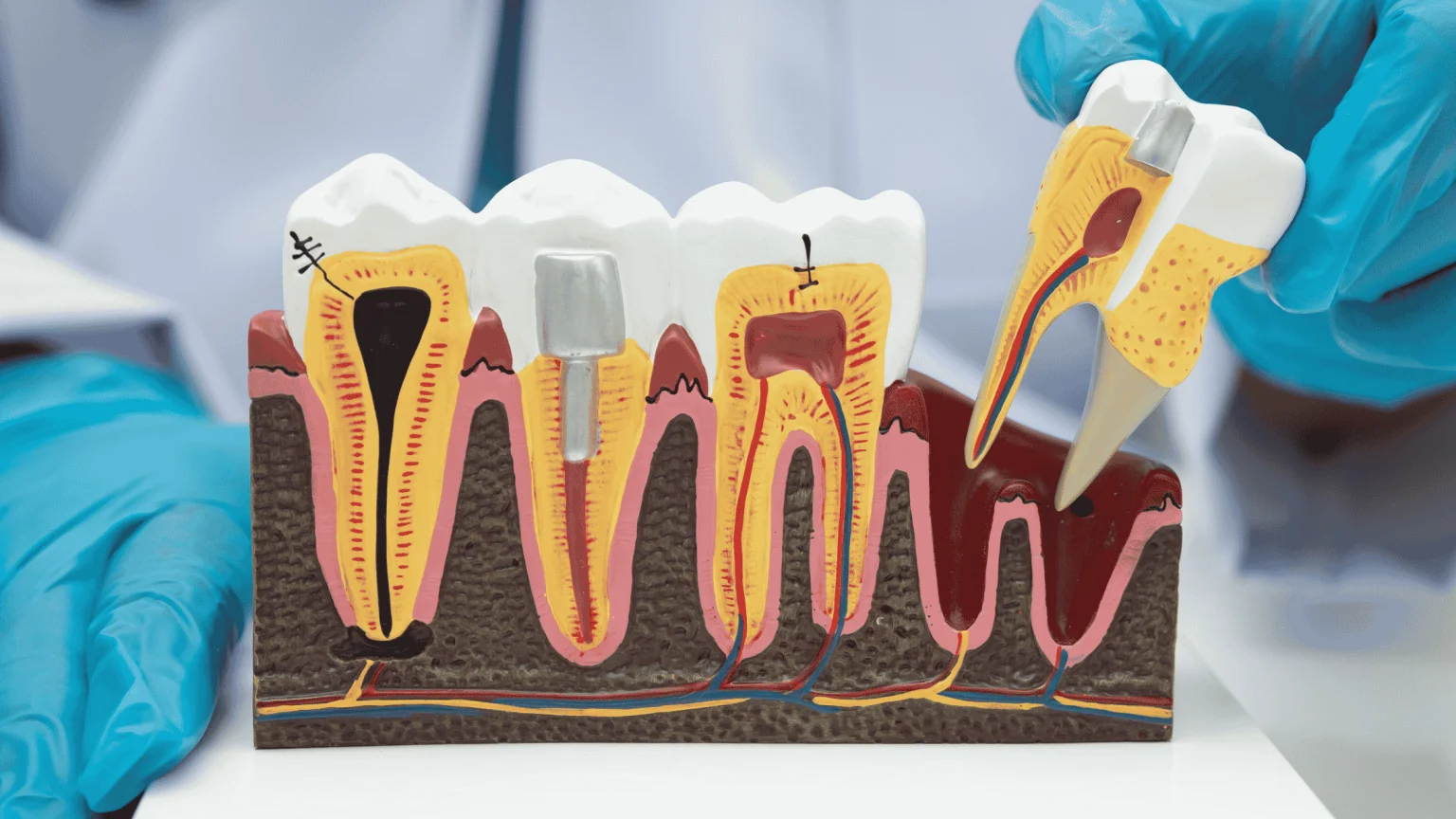
A root canal treatment, also called endodontic therapy, saves your natural tooth. During the root canal procedure, your dentist or an endodontist removes the infected pulp from inside the tooth.
The pulp contains nerves and blood vessels, and infection there can cause strong pain.
After removing the damaged tissue, the dentist cleans and disinfects the canals. They then fill and seal the space to stop bacteria from coming back. In most cases, you need a crown to protect the tooth and restore strength.
A root canal aims to:
- Relieve pain
- Stop infection from spreading
- Preserve your natural bite
According to the American Association of Endodontists explanation of root canal vs extraction, this treatment focuses on keeping your natural tooth whenever possible. Saving the tooth helps maintain normal chewing and jaw function.
What Is Tooth Extraction?
A tooth extraction removes the entire tooth from its socket. Your dentist may suggest this if the tooth is too damaged to repair or if the infection has destroyed too much structure.
There are two main types:
- Simple extraction – for visible teeth
- Surgical extraction – for broken or impacted teeth
Extraction can stop infection quickly. It may also cost less at first. However, removing a tooth can cause nearby teeth to shift. You may also lose bone in that area over time.
Many dentists consider extraction a last option when saving the tooth is not possible.
Modern Techniques in Dental Procedures
Today’s modern root canal procedures use local anesthesia to fully numb the area. Most people report that the treatment feels similar to getting a filling. Dentists use digital imaging and small tools to clean the canals with more accuracy.
An endodontist receives extra training in diagnosing and treating tooth pain. If your case is complex, your dentist may refer you to one for specialized care.
Modern extraction methods also focus on comfort and healing. Dentists use precise tools and may place stitches to help the area recover. With both treatments, early care improves your outcome and lowers the risk of complications.
Cost Comparison: Short-Term vs. Long-Term Savings
The price you pay on day one does not tell the full story. You need to compare the initial bill with the cost of keeping your smile healthy for years.
Initial Costs of Root Canal and Extraction
When you look at the upfront numbers, extraction usually costs less. A simple tooth removal often ranges from about $150 to $600, depending on the tooth and difficulty.
In many cases, a root canal vs tooth extraction cost comparison shows root canal treatment can range from about $700 to $1,500.
A root canal cost may also include a crown and bridge. Most back teeth need a crown after treatment to protect them from breaking. That adds several hundred to over a thousand dollars to the total.
An extraction cost can rise if the tooth is impacted or requires surgery. You may also need anesthesia or extra visits, which increases the bill.
In the short term, pulling the tooth often looks like the cheaper option.
Lifetime Costs and Tooth Replacement
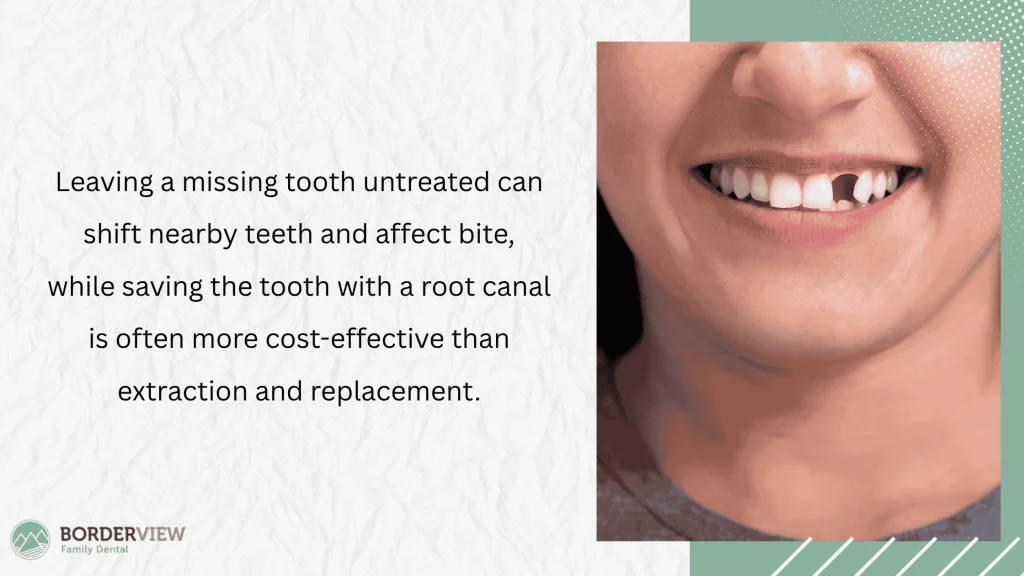
If you remove a tooth and leave the space empty, nearby teeth can shift. This can affect your bite and may lead to more dental work later.
Many people choose tooth replacement options after extraction. These include:
- Dental implant
- Bridge
- Partial denture
- Full denture (if several teeth are missing)
A dental implant can cost several thousand dollars. Some patients also need a bone graft before placing the implant, which adds more expense.
Research on cost-effectiveness of root canal treatment compared with extraction found extraction cost less at first. However, when patients replaced the tooth, total costs increased a lot.
If you save the tooth with a root canal, you avoid paying for an implant or denture later.
Factors That Influence Total Costs
Your final cost depends on several real-world factors.
Tooth location matters. Molars cost more to treat because they have more roots. Front teeth usually cost less for a root canal.
Condition of the tooth also plays a role. A badly damaged tooth may need a post, crown, or even future retreatment.
Insurance coverage can change your out-of-pocket cost. Some plans cover a higher portion of extraction than root canal treatment, or they may limit coverage for implants.
You should also think about long-term value. Many dentists explain that saving your natural tooth may reduce future work and protect your bite.
When you compare options, focus on both today’s bill and what you may need to spend five or ten years from now.
Long-Term Oral Health Impact
Your choice affects how your mouth works years from now. It can change your jawbone health, your risk of gum disease, and how well you chew each day.
Preserving Your Natural Tooth

When you choose a root canal, you save your natural tooth instead of removing it. The dentist clears the infection inside the tooth and seals it, often placing a crown to protect it.
Keeping the root in place helps you maintain stable spacing between teeth. When you remove a tooth and leave a gap, nearby teeth can start shifting teeth into that space.
This shift can change your bite and make brushing and flossing harder.
Hard-to-clean areas raise your risk of gum disease and even periodontal disease over time. Crooked or crowded teeth trap plaque more easily.
Many dentists explain that saving the natural tooth often supports better long-term oral health than removing it. If the tooth structure is strong enough, keeping it often protects your bite and daily comfort.
Jawbone and Gum Health
Your tooth roots do more than hold teeth in place. They also stimulate your jawbone every time you chew.
When you lose a tooth, that stimulation stops. Over time, the bone in that area can shrink. This bone loss may weaken support for nearby teeth and affect jawbone health.
Some experts note that losing even one tooth can lead to bone shrinkage and alignment problems. Bone changes can also affect how your gums sit around nearby teeth.
Healthy bone supports healthy gums. When bone levels drop, you may face a higher risk of periodontal disease. Replacing an extracted tooth with an implant can help reduce bone loss, but it does not fully copy the natural root’s function.
Chewing Function and Efficiency
Your teeth work as a team when you chew. Each tooth helps break down food so your stomach can digest it well.
If you remove a tooth and do not replace it, you may chew more on one side. This uneven pressure can strain other teeth and reduce chewing efficiency. You might avoid certain foods because they feel hard to chew.
A restored tooth after a root canal usually lets you chew in a normal way. A crown strengthens the treated tooth and helps it handle daily force.
Extraction followed by a bridge or implant can also restore chewing function. Still, keeping your natural tooth often feels more stable and familiar.
When your bite stays balanced, you protect your long-term oral health and reduce extra stress on the rest of your mouth.
When to Choose Root Canal or Tooth Extraction
Your dentist looks at how much of your natural tooth remains, how deep the infection goes, and how stable the bone and gums are. The right choice depends on whether you can save the tooth or if removal will protect your health.
Ideal Scenarios for Root Canal
You should choose a root canal when your dentist can still save the structure of your tooth. If you have an infected tooth but the roots are strong and the surrounding bone is healthy, this option often makes sense.
A root canal removes infected pulp, cleans the canals, and seals the space. This stops tooth pain and prevents the infection from spreading. Many dentists prefer saving your natural tooth when possible because it keeps your bite stable.
The American Association of Endodontists explains root canal vs extraction and notes that preserving your natural tooth often supports better long-term function.
You may be a good candidate if:
- The tooth is not cracked beyond repair
- You do not have severe bone loss
- A crown can protect the treated tooth
Saving the tooth helps you avoid shifting teeth and bone shrinkage later.
When Extraction Becomes Necessary
You may need an extraction if the tooth is too damaged to fix. A deep crack below the gum line or severe decay that destroys most of the structure often leaves no other safe option.
Advanced gum disease can also loosen a tooth. If bone loss is severe, a root canal will not solve the problem because the tooth no longer has stable support.
Dentists also remove impacted wisdom teeth when they cause pain, swelling, or infection. In these cases, keeping the tooth can harm nearby teeth or trap bacteria.
After removal, you may need an implant or bridge to restore chewing and prevent shifting.
Role of Tooth Condition and Infection
The condition of your tooth and the extent of infection matter most. If the infection stays inside the pulp and the outer walls remain strong, you often can save the tooth.
If infection spreads into the bone or forms a large abscess, your dentist must check whether cleaning the canals will fully remove it. Severe swelling, repeated infection, or large areas of decay reduce the chance of long-term success.
Your dentist will review:
| Factor | Why It Matters |
| Amount of healthy tooth left | Supports a crown after root canal |
| Bone support | Keeps the tooth stable |
| Depth of infection | Affects success of treatment |
| Gum health | Advanced gum disease weakens support |
You should act early when you feel tooth pain. Early care often means more options and lower costs over time.
Tooth Replacement Options After Extraction
When you remove a tooth, you need a plan to restore chewing, speech, and spacing. Your main choices include dental implants, partial dentures, and dentures in Blaine, WA each with different costs, timelines, and long-term effects.
Dental Implants
A dental implant replaces both the root and the visible part of your tooth. Your implant dentist in Blaine, WA places a titanium post in your jawbone, then attaches a crown on top after healing.
An implant often requires 3–6 months from start to finish. If you lost bone after the extraction, you may need a bone graft before implant placement. That adds time and cost but helps support the implant long term.
Key benefits:
- Feels and functions like a natural tooth
- Helps prevent bone loss
- Does not rely on nearby teeth for support
Implants work well if you want a fixed, long-term tooth replacement and have healthy gums and enough bone.
Dentures and Partial Dentures
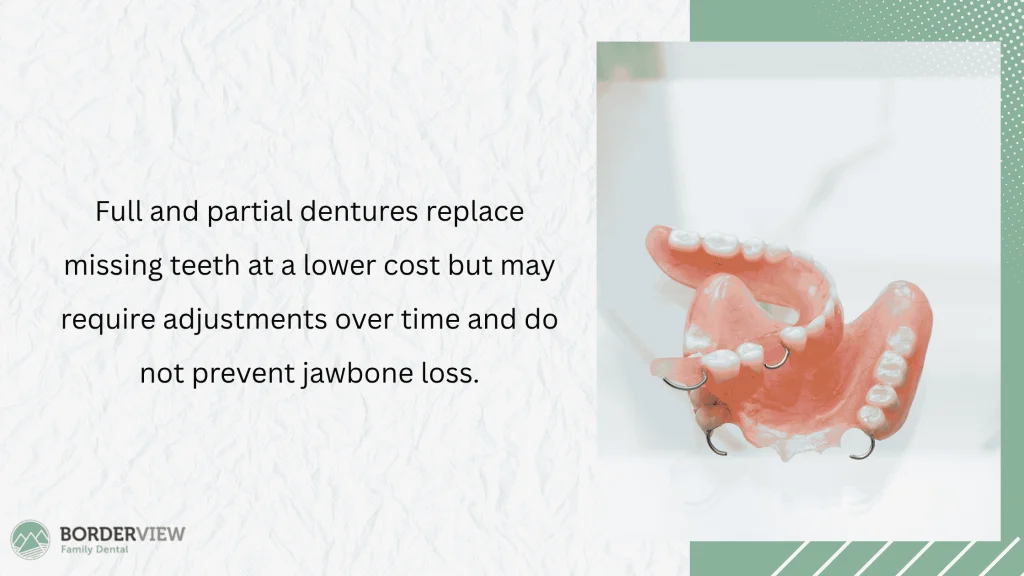
A full or partial denture replaces multiple missing teeth, while a partial denture fills gaps when you still have healthy teeth remaining. Both are removable.
A partial denture clips onto nearby teeth for support. A full denture rests on your gums if you have lost all teeth in an arch.
These options usually cost less upfront than implants. However, they may need adjustments over time as your mouth changes.
Important points to consider:
- You remove them for cleaning
- They may feel bulky at first
- They can loosen as bone shrinks
Dentures restore appearance and basic chewing, but they do not stop bone loss in the jaw. Over time, this can affect fit and comfort.
Consequences of Not Replacing a Tooth
If you leave the space empty, changes begin quickly. Nearby teeth can start shifting teeth into the gap.
This movement can affect your bite. It may also trap food in new spaces, which raises your risk of decay and gum disease.
Bone loss is another concern. After extraction, the jawbone in that area begins to shrink because it no longer supports a tooth root.
Possible long-term effects include:
- Uneven chewing pressure
- Wear on remaining teeth
- Changes in facial shape if multiple teeth are missing
Tooth replacement helps protect your alignment, bone, and daily function. Ignoring the gap often leads to more complex and costly dental work later.
Recovery and Patient Experience
Your comfort, healing time, and risk of problems all affect how you feel after treatment. Knowing what to expect helps you plan your schedule, manage tooth pain, and protect your long‑term oral health.
Comfort and Pain Management
You may worry about tooth pain, but modern care makes both options manageable. During root canal therapy, your dentist or endodontist numbs the area so you should feel pressure, not sharp pain. Many patients say it feels similar to getting a filling.
After a root canal, you may feel mild soreness for a few days. Over‑the‑counter pain medicine often controls this discomfort.
With an extraction, you can expect more swelling, especially if the tooth was impacted. You may need stronger pain relief for a short time. The first 48 hours are usually the most uncomfortable.
Healing and Risks After Treatment
Healing time differs in the root canal vs extraction decision. Most people recover from a root canal in a few days and return to normal routines quickly.
Many dental guides note that root canal recovery is usually a few days, while extraction can take a week or more.
After an extraction, your body forms a blood clot in the socket. If that clot comes loose, you can develop dry socket, which causes sharp pain and delays healing. Smoking, using straws, or poor aftercare can raise this risk.
Root canals also carry small risks. Infection can return if bacteria remain or if you delay placing a crown. Still, studies report that root canals have about a 95% success rate, which makes them reliable for long‑term function.
Professional Guidance for Best Outcomes
Your dentist evaluates your tooth structure, bone support, and overall health before recommending treatment. If the infection reaches deep into the root, you may see an endodontist, a specialist in root canal therapy.
Follow all aftercare steps closely. This includes taking prescribed medicine, avoiding hard foods, and keeping the area clean. Small actions lower your risk of problems.
Ask clear questions about costs, healing time, and future procedures. When you understand your options in the root canal vs extraction choice, you can choose the treatment that fits your comfort, schedule, and long‑term goals.
Frequently Asked Questions
When you choose between saving or removing a tooth, you affect your costs, comfort, and long-term oral health. The right option depends on the tooth’s condition, your budget, and how long you want the result to last.
How do the long-term costs compare between saving a tooth and removing it?
A root canal often costs more at first, but it may save you money over time. The procedure usually ranges from $700 to $1,500, and a crown can add $800 to $1,500.
An extraction may cost only $150 to $600 upfront. But if you replace the tooth with an implant or bridge, the total can rise to several thousand dollars.
If you remove a tooth and do not replace it, you may face added dental work later due to shifting teeth or bone loss.
What are the chances a treated tooth will last for decades compared to a removed tooth replacement?
Root canals have a high success rate. Many reports show about a 95% success rate over 10 years when the tooth receives a proper crown.
With good care, a treated tooth can last decades. Brushing, flossing, and regular dental visits matter.
An implant can also last many years, often 20 years or more, but it requires surgery and healing time.
How do pain and recovery time typically differ between the two procedures?
You may expect mild soreness after a root canal. Most people return to normal activity the same day or the next day.
An extraction often causes more swelling and discomfort for several days. You may need soft foods and limited activity for up to a week.
Many dentists note that root canal recovery is usually smoother and faster than extraction recovery.
When is saving the natural tooth not recommended and removal becomes the better option?
You may need an extraction if the tooth has a severe vertical crack. A root canal cannot fix that type of damage.
Advanced gum disease with major bone loss can also make saving the tooth unrealistic. In those cases, the tooth may not have enough support to stay stable.
If a previous root canal failed and retreatment is not possible, removal may also be the better choice.
What replacement options are available after a tooth is removed, and how do their costs add up over time?
After extraction, you can choose a dental implant, a bridge, or a partial denture. Each option carries a different cost and lifespan.
Implants often cost the most but can last many years and help prevent bone loss. Bridges usually cost less than implants but may need replacement after 10 to 15 years.
Partial dentures cost less at first, but they may need repairs or replacement over time.
Which option is generally better for overall oral health and keeping nearby teeth stable?
When you keep your natural tooth, you help maintain normal chewing and bite alignment. The tooth root continues to support the jawbone.
If you remove a tooth and leave the space empty, nearby teeth can shift into the gap. This movement can affect your bite and make cleaning harder.
Most dentists prefer saving a tooth when it is possible and safe. Keeping your natural tooth often helps protect the teeth around it and supports long-term oral health.