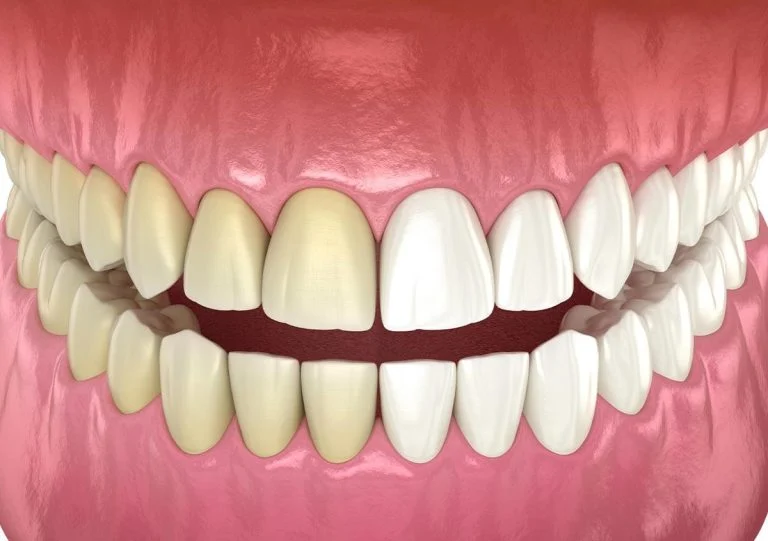

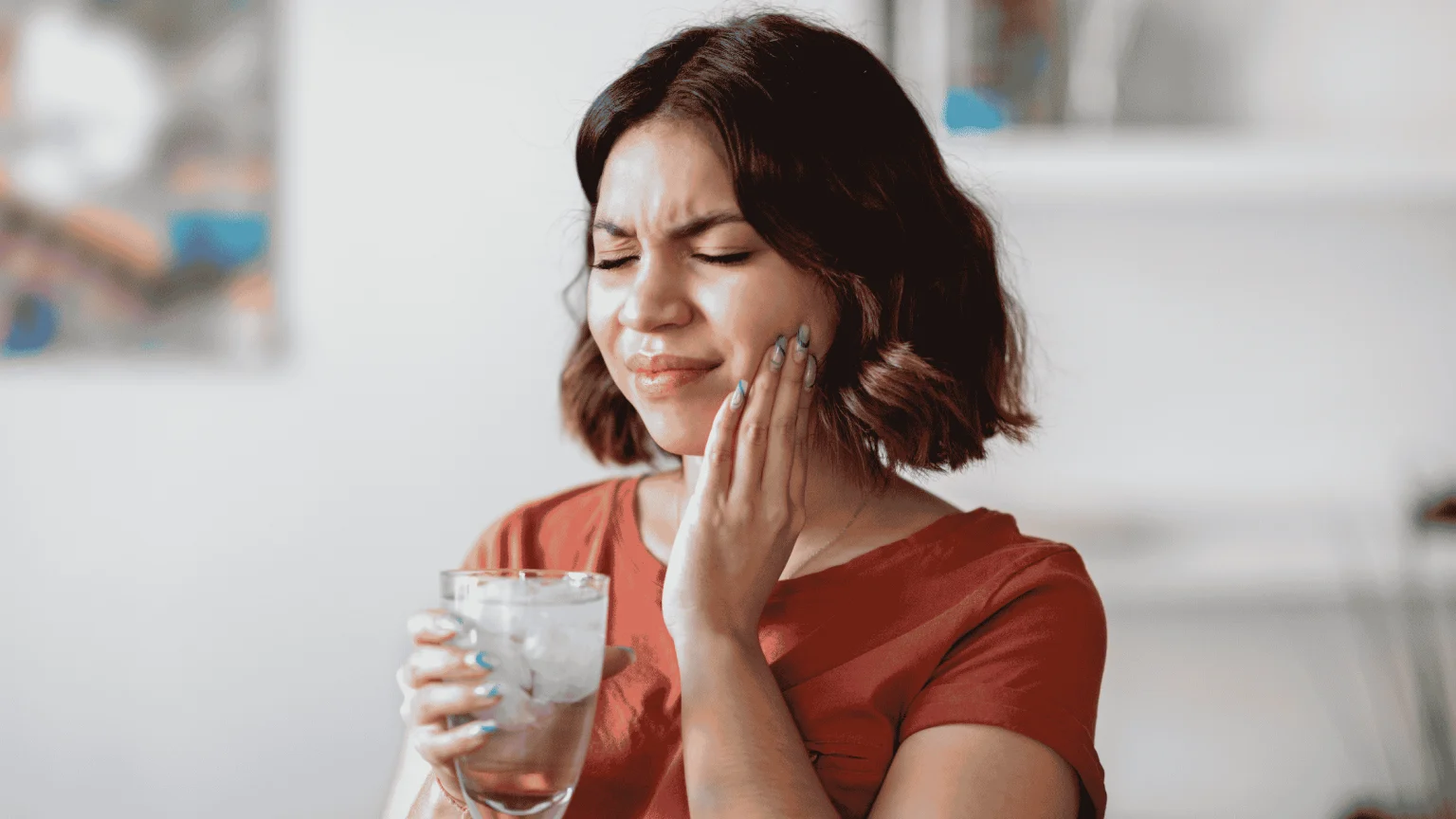
A bright white smile can make you feel more confident, but many people hold back from whitening treatments because they worry about tooth pain.
Sensitivity after teeth whitening is one of the most common side effects people experience. The good news is that this discomfort doesn’t have to stop you from getting the smile you want.
You can prevent and manage teeth whitening sensitivity by following proper application instructions, using products with lower peroxide levels, and taking care of your teeth before, during, and after treatment.
Most teeth whitening sensitivity only lasts 24 to 48 hours, and there are simple steps you can take to reduce or avoid it completely. From choosing the right products to using special toothpaste, you have more control over your comfort than you might think.
Understanding why sensitivity happens and what you can do about it helps you make better choices about whitening your teeth.
Whether you’re planning to whiten at home or at the dentist’s office, knowing how to protect your teeth makes the whole process easier and less painful.
Key Takeaways
- Teeth whitening sensitivity is temporary and usually lasts only 24 to 48 hours after treatment
- Using products with lower peroxide levels and following instructions carefully can prevent most sensitivity issues
- Simple changes like using sensitive toothpaste and avoiding very hot or cold foods help manage discomfort during whitening
Understanding Teeth Whitening Sensitivity
Whitening treatments work by using peroxide-based ingredients that penetrate your tooth enamel, and this process can temporarily irritate the sensitive inner layers of your teeth.
The level of discomfort you experience depends on several factors, including the strength of the product and your existing dental health.
What Causes Sensitivity After Whitening
Tooth sensitivity occurs when peroxide ingredients in whitening products weaken your enamel and reach the dentin layer beneath it. Dentin contains tiny tubes that connect directly to your tooth’s nerve center.
When whitening agents penetrate these tubes, they can irritate the nerves inside your teeth. This irritation creates that sharp, uncomfortable sensation you might feel when eating or drinking.
The pain usually comes as a sudden rush or wave, especially when you consume hot or cold foods and beverages.
Most people experience this sensitivity for 24 to 48 hours after treatment, though some may feel it longer depending on the product strength.
How Whitening Products Affect Teeth
Whitening products contain hydrogen peroxide or carbamide peroxide as their active ingredients. These bleaching agents break down stain compounds in your dentin to make your teeth appear whiter.
The peroxide must pass through your enamel to reach the stained areas underneath. During this process, it can temporarily make your enamel more porous and vulnerable.
Higher peroxide concentrations work faster but also increase your chances of experiencing teeth whitening sensitivity. Products with 6% to 10% peroxide are considered lower strength options that may cause less discomfort.
Professional treatments at the dentist’s office typically use stronger formulas but for shorter durations. Over-the-counter products use gentler ingredients but require longer treatment times.
Who Is Most at Risk for Sensitivity
You’re more likely to experience sensitive teeth if you already have existing tooth sensitivity issues. Whitening treatments can make your current symptoms worse rather than creating new problems.
People with thin enamel, exposed dentin, or receding gums face higher risks of discomfort during teeth whitening. Cavities, cracked teeth, and worn fillings also increase your vulnerability to sensitivity after whitening.
If you brush too hard or use a hard-bristle toothbrush, you may damage your enamel over time. This makes your teeth more reactive to whitening products.
Young adults often have larger nerve chambers in their teeth, which can lead to more intense tooth sensitivity during whitening treatments.
Common Triggers and Mistakes That Worsen Sensitivity
Several factors can intensify discomfort during and after whitening treatments. Understanding which products and practices cause the most problems helps you make smarter choices for your oral health.
High-Peroxide Whitening Products
Whitening products with high concentrations of hydrogen peroxide or carbamide peroxide can damage your teeth’s protective layer.
When you use products with peroxide levels above 10%, the bleaching agents penetrate deeper into your tooth structure and reach the nerve endings.
Many at-home whitening kits contain stronger formulas than necessary. These products work faster but come with a higher risk of post-whitening sensitivity.
Your teeth may become temporarily weakened and more reactive to temperature changes.
Professional treatments use controlled concentrations under supervision. When you choose over-the-counter options, look for lower peroxide percentages between 3-10%.
These gentler formulas still deliver whiter teeth without causing excessive irritation.
Products with built-in desensitizing ingredients like potassium nitrate offer better protection. You should always check the label before purchasing any whitening product to verify its peroxide content.
Whitening Strips and Trays Contacting Gums
Improper placement of whitening strips can cause significant gum irritation. When the bleaching gel touches your gum tissue, it creates burning sensations and inflammation that worsen overall sensitivity.
Ill-fitting trays allow the whitening solution to leak onto your gums and soft tissues. This direct contact exposes delicate areas to harsh chemicals they weren’t designed to handle. Your gums may appear white or feel tender after treatment.
You need to carefully position strips within the tooth boundaries. Custom-fitted trays from your dentist provide better coverage while protecting your gums.
If you notice any gel seeping during treatment, remove the strips immediately and rinse your mouth.
Applying petroleum jelly along your gum line before treatment creates a protective barrier. This simple step prevents the whitening agents from irritating sensitive gum tissue.
Overuse or Prolonged Treatment
Using whitening products too frequently prevents your enamel from recovering between sessions. Your teeth need time to remineralize and repair after exposure to bleaching agents.
Following the product instructions exactly matters more than you might think. When you extend treatment times or skip rest days, you strip away protective minerals faster than your body can replace them.
This cumulative damage leads to lasting sensitivity issues.
Most whitening strips should only be used once daily for 10-14 days. Going beyond these guidelines doesn’t give you better results; it just increases your risk of discomfort. Your teeth become increasingly porous with each additional application.
Taking breaks between whitening cycles allows your enamel to strengthen. You should wait at least three months before starting another full treatment course for a bright smile that lasts.
Ignoring Pre-Existing Oral Health Issues
Starting whitening treatments when you have untreated dental problems is one of the most serious mistakes you can make. Cavities provide direct pathways for bleaching chemicals to reach your tooth’s inner layers and nerve.
Gum recession exposes the softer dentin beneath your enamel. When whitening agents contact this sensitive tissue, they cause sharp pain that regular treatments wouldn’t trigger. Existing enamel erosion creates similar vulnerabilities.
You must address these conditions before pursuing cosmetic treatments. Your dentist can fill cavities, treat gum disease, and assess whether your teeth can safely handle whitening products. Skipping this evaluation puts your oral health at serious risk.
Even minor issues like small cracks or worn enamel deserve attention first. These problems may seem insignificant but become major sources of discomfort once whitening begins.
How to Prevent Teeth Whitening Sensitivity
Taking steps before and during your whitening treatment can help you avoid painful sensitivity. Using the right products and making smart choices about your dental care will protect your teeth while still giving you a brighter smile.
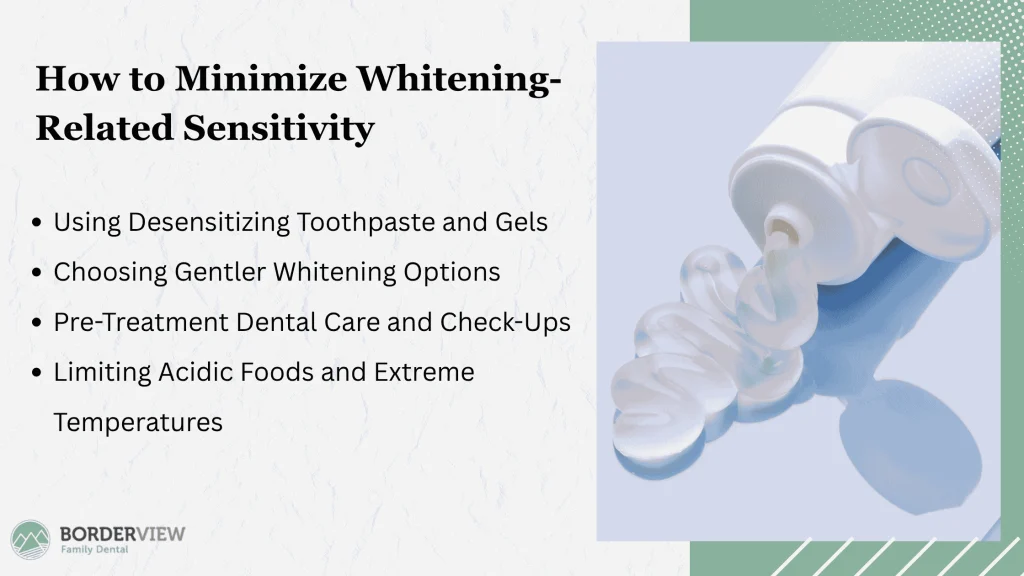
Using Desensitizing Toothpaste and Gels
Start brushing with desensitizing toothpaste weeks before treatment to build up protection in your teeth. These toothpastes contain potassium nitrate, which blocks pain signals from reaching the nerves in your teeth.
Popular brands like Sensodyne work by creating a protective layer over exposed areas of your teeth. You should brush twice daily for at least two weeks before whitening to get the best results.
Your dentist can also provide desensitizing gels that contain higher concentrations of active ingredients. Apply these gels in custom trays that fit your teeth, usually for 10 to 30 minutes each day.
Some dentists recommend using desensitizing gel right before and after your whitening sessions for extra protection.
Choosing Gentler Whitening Options
Professional whitening treatments give you more control over sensitivity than drugstore products. Your dentist can adjust the strength and timing of treatments based on how your teeth respond.
Products with a lower peroxide level cause less sensitivity but still whiten your teeth effectively. They just take a bit longer to show results. Consider these gentler approaches:
- Custom-fitted trays from your dentist that prevent gel from touching your gums
- Gradual whitening systems that use lower concentrations over more sessions
- LED whitening with shorter exposure times
- Treatments designed for sensitive teeth that include built-in desensitizing agents
Ask your dentist about spacing out your whitening sessions instead of doing them back-to-back. This gives your teeth time to recover between treatments.
Pre-Treatment Dental Care and Check-Ups
Visit your dentist before starting any whitening treatment to check for problems that could make sensitivity worse. Cavities, worn enamel, and gum disease all increase your risk of pain during whitening.
Your dentist might recommend a fluoride treatment to strengthen your enamel before you whiten. This professional application creates a protective barrier that helps prevent sensitivity.
Switch to a soft-bristled toothbrush if you haven’t already. Hard bristles can wear down your enamel and expose sensitive parts of your teeth. Brush gently using circular motions rather than scrubbing back and forth.
A fluoride rinse used daily can also help prepare your teeth for whitening. These rinses remineralize weak spots in your enamel and provide extra protection against sensitivity.
Limiting Acidic Foods and Extreme Temperatures
Acidic foods and cold drinks can cause pain during and after whitening treatments. You should avoid acidic foods for at least 48 hours before and after your whitening sessions.
Stay away from these common triggers:
- Citrus fruits and juices
- Tomatoes and tomato sauce
- Soda and sports drinks
- Wine and coffee
- Vinegar-based dressings
Skip very hot or very cold foods and drinks during your whitening period. Stick to room temperature or lukewarm items to keep your teeth comfortable.
Drinking through a straw can help liquids bypass your teeth and reduce contact with sensitive areas.
Wait at least 30 minutes after eating before brushing your teeth. Brushing too soon after consuming acidic foods can damage softened enamel and increase sensitivity.
Managing Sensitivity After Whitening
Taking care of sensitive teeth after whitening requires specific changes to your daily routine and knowing when discomfort needs professional attention.
Simple adjustments to how you care for your teeth and what you consume can make a big difference in your comfort level.

Oral Care Routines for Relief
Switch to a soft-bristled toothbrush right away if you experience tooth sensitivity after whitening. Hard bristles can irritate already sensitive teeth and gums.
Use a toothpaste designed for sensitive teeth instead of whitening toothpaste during your recovery period. These special toothpastes contain ingredients that block pain signals from reaching the nerves in your teeth.
Apply the toothpaste with your finger and leave it on sensitive spots for a few minutes before rinsing.
Fluoride treatments can strengthen your enamel and reduce sensitivity after whitening. Use a fluoride mouth rinse twice daily or ask your dentist about prescription-strength fluoride gel.
Brush gently using small circular motions rather than aggressive back-and-forth scrubbing. Wait at least 30 minutes after eating before brushing to avoid damaging softened enamel.
Adjusting Diet and Habits for Comfort
Avoid very hot or cold foods and drinks during the first 48 hours after whitening. Post-whitening sensitivity peaks during this time and extreme temperatures can trigger sharp pain.
Skip acidic foods like citrus fruits, tomatoes, and vinegar-based dressings. These can weaken enamel and make sensitive teeth after whitening feel worse. Carbonated drinks and wine also fall into this category.
Choose room-temperature or lukewarm beverages instead of iced or steaming hot options. Eat soft foods that don’t require aggressive chewing. Good choices include yogurt, scrambled eggs, bananas, and cooked vegetables.
Use a straw when drinking to minimize contact between liquids and your teeth. This simple trick helps manage discomfort during recovery.
When to Seek Professional Help
Contact your dentist if sensitivity lasts longer than 48 to 72 hours after whitening. While some discomfort is normal, pain that doesn’t improve may signal a more serious issue.
Warning signs that need attention:
- Sharp pain that gets worse instead of better
- Sensitivity that continues beyond four days
- Visible white spots or damage on teeth
- Pain when biting down or chewing
- Swollen or bleeding gums
Your dentist can apply desensitizing treatments at the office to provide quick relief. These professional treatments work faster than over-the-counter products.
Severe sensitivity might indicate underlying problems like cavities, receding gums, or enamel damage that existed before whitening.
Don’t continue whitening treatments if you’re experiencing ongoing pain. Give your teeth time to recover before attempting any additional whitening sessions.
Choosing the Right Whitening Approach for Sensitive Teeth
Lower peroxide levels and longer treatment times reduce discomfort, while professional supervision lets you adjust strength based on your response.
Comparing Professional and At-Home Treatments
Professional whitening gives you the fastest results with built-in safety. Your dentist can apply desensitizing agents before and after treatment, adjust peroxide strength on the spot, and monitor your gums throughout the session.
In-office whitening with desensitizing protocols is the gold standard when you need tight control over sensitivity.
At-home whitening offers more flexibility and lower cost. You control the pace, which matters when sensitivity flares up. Custom trays from your dentist fit better than store-bought strips and reduce gel contact with your gums.
Over-the-counter strips and trays work well if you start with lower concentrations and give yourself permission to skip days when your teeth feel tender.
Key differences:
| Treatment Type | Speed | Cost | Sensitivity Control |
| Professional in-office | 1-2 visits | $300-$800 | Dentist adjusts in real-time |
| Custom trays (dentist) | 1-2 weeks | $200-$400 | You control wear time |
| Store-bought strips | 2-4 weeks | $25-$60 | You pause as needed |
Evaluating Whitening Product Ingredients
Carbamide peroxide breaks down into hydrogen peroxide and urea, releasing its whitening power more slowly than straight hydrogen peroxide.
That slower release often means less tingling. Look for concentrations between 10% and 16% carbamide peroxide when you have sensitive teeth.
Peroxide-free alternatives use PAP or botanical ingredients. These formulas skip the chemical that causes most zingers, though they typically deliver more gradual brightening.
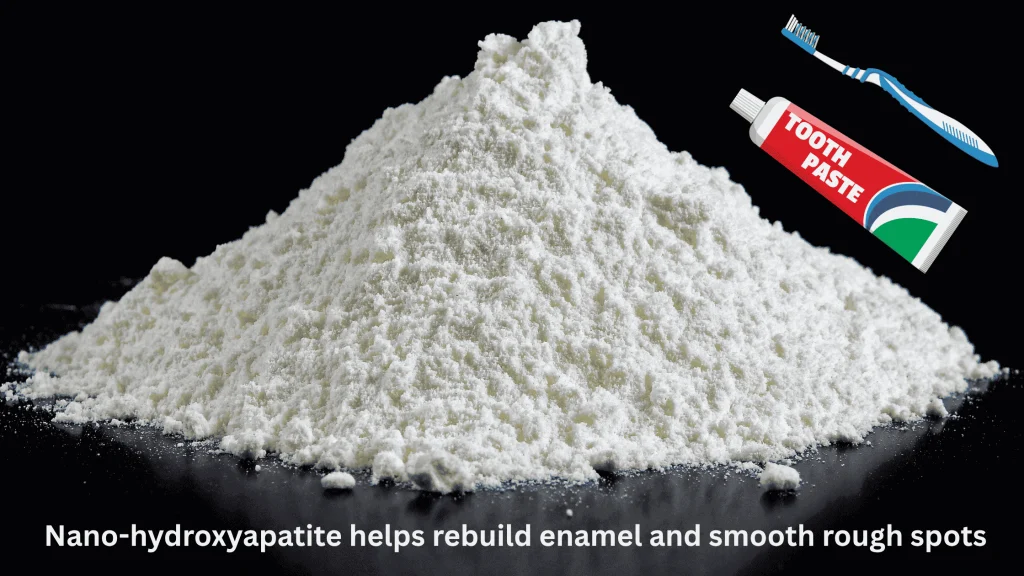
Desensitizing ingredients work alongside whitening agents. Potassium nitrate calms nerve responses inside your teeth. Nano-hydroxyapatite helps rebuild enamel and smooth rough spots.
Whitening toothpaste with these additions lets you prep your teeth before stronger treatments or maintain your whiter smile afterward.
Avoid products with high alcohol content or acidic pH levels below 5.5. These can soften enamel temporarily and amplify sensitivity.
Personalizing Your Whitening Plan
Start with the gentlest option that fits your timeline. If you have weeks before an event, whitening toothpaste designed for sensitive teeth paired with occasional low-dose strips will get you there comfortably.
Use the “low and slow” approach: shorter sessions, lower concentrations, and rest days between treatments. Wear strips for 15 minutes instead of 30 at first.
Try every-other-day applications rather than daily. You can always increase intensity if your teeth tolerate it.
Pair whitening products with a desensitizing toothpaste two weeks before you start and throughout treatment. Brush with it twice daily to build up protection.
Track your response in a simple log. Note which products you used, how long you wore them, and any discomfort level from 1 to 10. Patterns will show you exactly what your teeth can handle and when to dial back.
If pain persists beyond 48 hours after stopping, contact your dentist before continuing any whitening treatments.
Frequently Asked Questions
Teeth whitening can cause temporary discomfort, but there are proven ways to reduce pain before it starts and manage symptoms when they occur.
Understanding the right products and techniques can make your whitening experience much more comfortable.
What are some effective ways to prevent teeth sensitivity caused by whitening treatments?
The best way to prevent sensitivity is to follow whitening instructions carefully and avoid leaving products on longer than recommended.
Choose whitening products with lower peroxide levels, between 6% and 10%, which are gentler on your teeth.
You can also use fluoride rinses or sensitivity toothpaste for about two weeks before you start whitening. This helps strengthen your enamel and protect the sensitive parts of your teeth.
Taking a pain reliever like ibuprofen or naproxen about an hour before you apply whitening products can help prevent discomfort. If you notice sensitivity starting, cut back to every other day instead of daily treatments.
How can I manage the discomfort that comes after using whitening strips?
If you feel discomfort after using whitening strips, take the strips off right away if they’re still on your teeth. Switch to shorter application times or skip a day between treatments to give your teeth a break.
Limiting very cold or very hot foods and drinks during your whitening treatment can help reduce symptoms. Stick to room temperature foods and beverages until the sensitivity goes away.
Use a soft-bristled toothbrush and brush gently. Hard brushing can make sensitivity worse and irritate your teeth even more.
Most sensitivity from whitening strips goes away within 24 to 48 hours. If your pain lasts longer than two days or gets worse, you should contact your dentist.
What makes desensitizing toothpaste a good choice for those with sensitive teeth post-whitening?
Desensitizing toothpaste contains special ingredients that block pain signals from reaching the nerves in your teeth. These toothpastes work by filling in the tiny tubes in your dentin that lead to the nerve.
You can start using desensitizing toothpaste before you whiten your teeth to build up protection. Using it during and after whitening helps reduce discomfort throughout the entire process.
For best results, brush with desensitizing toothpaste at least twice a day. You can also rub a small amount directly on sensitive areas and leave it on for a few minutes.
Can you recommend the best over-the-counter pain relief for sensitivity after teeth whitening?
Ibuprofen (Advil) and naproxen (Aleve) are the most effective over-the-counter pain relievers for tooth sensitivity after whitening. These medications reduce inflammation and block pain signals.
Take the pain reliever before you apply whitening products to prevent discomfort from starting. You can also take it after whitening if sensitivity develops.
Follow the dosage instructions on the medication bottle. Don’t take more than recommended or use pain relievers for more than a few days without talking to your doctor.
Are there any natural remedies to alleviate teeth sensitivity due to whitening procedures?
Rinsing with warm salt water can help soothe irritated teeth and gums. Mix half a teaspoon of salt in a glass of warm water and swish it around your mouth for 30 seconds.
Applying a small amount of clove oil to sensitive areas may provide temporary relief. Clove oil has natural numbing properties that can reduce pain.
Avoiding acidic foods and drinks like citrus, soda, and vinegar helps protect your enamel during the whitening process. These acids can make sensitivity worse by weakening your tooth surface.
Drinking through a straw can help keep cold beverages away from your sensitive teeth. This simple change can make a big difference in your comfort level.
Is it common to experience gum pain after teeth whitening and how can it be soothed?
Gum pain after whitening is common and usually happens when whitening strips or trays touch the gums. The peroxide in whitening products can irritate the soft tissue in your mouth.
To soothe irritated gums, rinse your mouth with cool water several times a day. You can also apply a small amount of vitamin E oil or aloe vera gel directly to the affected areas.
Make sure your whitening trays fit properly and don’t overlap onto your gums. Wipe away any excess whitening gel before putting trays in your mouth.
If your gum pain doesn’t improve within a few days or if you notice bleeding or swelling, contact your dentist. These could be signs of a more serious problem that needs professional treatment.