

Going to the dentist doesn’t have to be scary for your child. Many kids feel nervous about dental visits because of unfamiliar sounds, strange tools, or worry about pain.
The good news is that with the right approach and preparation, you can turn dental appointments into positive experiences that set your child up for a lifetime of healthy teeth and confident smiles.
Dental anxiety in children is more common than you might think. Some kids get anxious just thinking about the dentist, while others only feel nervous about specific things like drills or needles.
When kids avoid dental visits because of fear, they can develop serious oral health problems that require more treatment later on.
The way you prepare your child and the strategies you use can make all the difference. From choosing the right dentist to practicing at home, there are simple steps that help reduce stress for both you and your child.
Let’s look at what actually works to make dental visits easier.
Key Takeaways
- Early dental visits and consistent appointments help children become familiar with the dentist and reduce anxiety over time
- Preparing your child with honest explanations, roleplay activities, and comfort items makes appointments less stressful
- Positive reinforcement and child-friendly dental practices create better experiences that build lifelong healthy habits
Understanding Why Kids Experience Dental Anxiety
Dental fear in children stems from multiple sources, ranging from unfamiliar sights and sounds to learned behaviors from adults.
Recognizing these triggers and warning signs helps you address your child’s concerns before they develop into lasting dental anxiety.
Common Causes of Dental Fear in Children
Many kids fear the dentist because of the unfamiliar environment and strange equipment. The bright overhead lights, clinical smells, and metal instruments can feel overwhelming to a young child who doesn’t understand what’s happening.
Previous painful dental experiences create lasting memories that fuel future anxiety. Even a minor discomfort during a past procedure can make your child dread their next visit.
Fear of needles or drills ranks high among specific triggers. The sound of dental equipment alone can make some children nervous, even before treatment begins.
Inadequate preparation for the first dental visit often sets the stage for anxiety. When children don’t know what to expect, their imagination fills in the blanks with worst-case scenarios.
Some children naturally experience anxiety around new experiences in general, and dental appointments simply become another source of stress.
Signs of Anxiety Before and During Visits

Your child might show physical symptoms like stomach aches before their appointment. Some kids become tearful or withdrawn when you mention the dentist, while others express their fears openly through words.
Watch for these common warning signs:
- Trouble sleeping the night before an appointment
- Complaints of feeling sick on appointment day
- Crying or tantrums when leaving for the dentist
- Clinging behavior in the waiting room
- Refusing to open their mouth during the exam
During the visit, dental anxiety in children may appear as tense body language, gripping the chair arms, or asking to leave repeatedly. Some children become unusually quiet or try to bargain their way out of the appointment.
How Parental Attitudes Influence Children’s Experiences
Your own feelings about dental visits directly shape how your child views the dentist. Children pick up on nervous comments, anxious body language, and hesitant tones when you discuss appointments.
If you or other family members express fear about dental work, your child learns that the dentist is something to worry about. They watch how you react and copy those behaviors.
Using dental treatment as a threat backfires completely. Statements like “If you don’t brush, the dentist will have to drill your teeth” teach kids that dental visits are punishments rather than routine care.
This approach increases dental fear instead of encouraging good oral hygiene habits.
The Importance of Early and Regular Dental Visits
Starting dental care early and keeping up with regular appointments helps children feel comfortable at the dentist and prevents anxiety from developing.
These visits also catch problems before they become serious and teach kids good habits that last a lifetime.
Benefits of Starting Dental Visits Early
The American Academy of Pediatric Dentistry recommends your child’s first dental visit by age one. This early start makes the dentist’s office feel normal instead of scary.
When you start dental visits early, your child gets used to the sights and sounds of the dental office. They learn that the dentist is a friendly helper who keeps their teeth healthy.
Early dental exams help reduce fear and anxiety because kids become familiar with the environment before any problems develop.
Pediatric dentistry focuses on making these first experiences positive. Dentists who work with kids use child-friendly language and gentle techniques that put young patients at ease.
The earlier these positive experiences happen, the better chance your child has of growing up without dental fears.
The Role of Routine Checkups
Regular dental checkups allow dentists to monitor your child’s teeth, gums, and jaw development. These appointments catch small issues before they turn into bigger problems that might require uncomfortable treatments.
During routine visits, dentists can spot cavities early when they’re easier to treat. They also check how your child’s permanent teeth are coming in and whether there are any spacing issues.
This ongoing care means fewer surprises and less chance of painful dental emergencies.
Making checkups part of your regular schedule also builds trust between your child and their dentist. Each positive visit reinforces that the dentist is someone who helps them maintain healthy smiles.
Your child learns what to expect, which takes away the fear of the unknown that causes so much anxiety.
Long-Term Effects of Unaddressed Dental Anxiety
Dental anxiety that starts in childhood often continues into adulthood. When kids avoid the dentist because of fear, they miss important preventive care that protects their oral health.
Children with untreated dental anxiety may develop serious tooth decay and gum disease because they skip appointments. These problems can lead to pain, infections, and even tooth loss.
Adults who feared the dentist as children often need more extensive and expensive treatments later in life.
The emotional impact matters too. People who avoid dental care because of childhood fears often feel embarrassed about their teeth. This affects their confidence and quality of life.
By addressing anxiety early through positive dental experiences, you help your child avoid these long-term struggles and set them up for a lifetime of good oral health.
Creating a Child-Friendly Dental Experience
The right dental office and approach can transform your child’s perception of dental visits from scary to enjoyable.
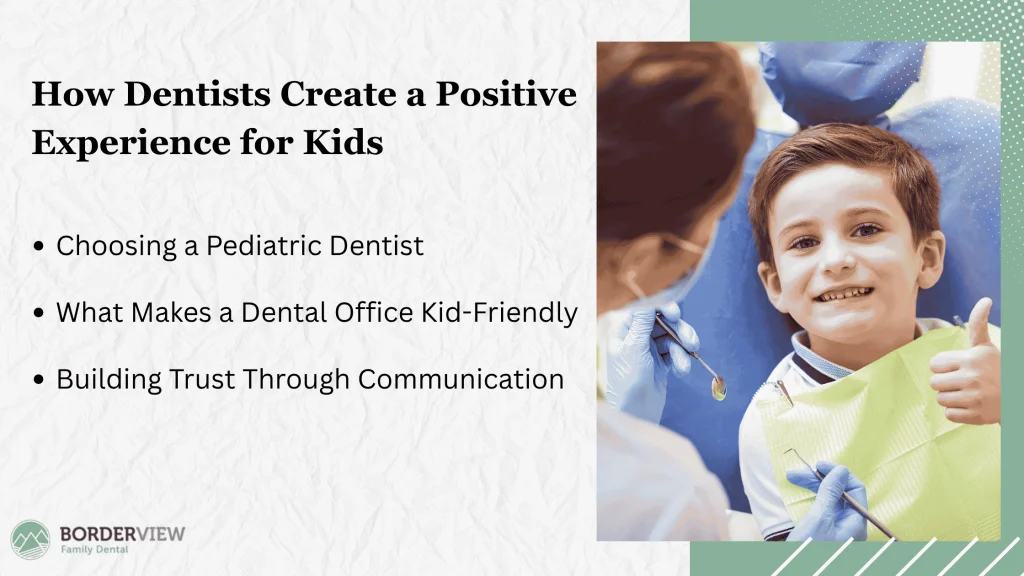
A pediatric dentist who specializes in working with children uses specific office designs, communication methods, and behavior techniques to reduce fear.
Choosing a Pediatric Dentist
A pediatric dentist completes 2-3 years of extra training beyond dental school focused on child psychology and behavior management.
This specialized education teaches them how to communicate with kids at different developmental stages and handle dental anxiety effectively.
General dentists treat adults primarily and don’t receive this child-focused training. Children treated by pediatric specialists report lower fear and anxiety compared to those treated by general dentists, even when the procedures are identical.
Look for a pediatric dentistry practice that offers flexible scheduling for anxious children. Ask if they allow practice visits where your child can meet the staff and sit in the chair without any actual treatment.
These trial runs help kids become familiar with the environment before their first real appointment.
What Makes a Dental Office Kid-Friendly
A child-friendly dental environment uses bright colors, playful themes, and comfortable waiting areas that help children feel at ease from the moment they arrive.
The office design should include age-appropriate entertainment and toys that distract from worry.
Check if the dental office has:
- Colorful décor designed specifically for children
- Kid-sized furniture and equipment
- TVs or tablets in treatment rooms
- Reward systems like sticker charts or treasure boxes
- Staff trained in child behavior management
The best pediatric dental offices also offer sedation options when needed, including nitrous oxide for mildly anxious children or oral sedation for more extensive procedures.
Building Trust Through Communication
Your child-friendly dentist should use the “tell-show-do” technique during appointments. This means explaining what will happen in simple terms, demonstrating the tool or procedure, then performing it on your child.
This approach eliminates the fear of the unknown.
Watch your language when talking about dental visits. Never say “shot” (use “sleepy juice”), “drill” (say “tooth cleaner”), or “pain” (try “pressure” or “feeling”). Avoid using the dentist as a threat or sharing your own negative dental stories.
Give your child age-appropriate control during visits. Let them choose which flavor toothpaste they prefer or establish a hand signal they can use when they need a break.
Even small choices help reduce dental anxiety by giving kids a sense of power over the situation.
Strategies to Reduce Dental Anxiety Before Appointments
Preparing your child at home before the dental visit can significantly reduce their fear and anxiety.
Simple activities like reading dental-themed books, practicing dentist scenarios through play, and using calm language help kids feel more confident about what to expect.
Reading Books About Dental Visits and Using Storytelling
Books about dental visits give your child a clear picture of what happens at the dentist office. When kids understand the process, they feel less scared of the unknown.
Look for age-appropriate books that show friendly dentists and happy children getting their teeth cleaned. Stories with colorful pictures work well for younger kids. Read these books together several days before the appointment.
Storytelling also helps you address specific worries your child might have. You can create simple stories about brave characters who visit the dentist and discover it’s not scary. Make the dentist a helper who keeps teeth strong and healthy.
Ask your child questions while reading to keep them engaged. Talk about the tools the dentist uses and explain what each one does in simple terms.
Role-Playing Dental Scenarios at Home
Pretend play at home helps reduce dental anxiety in children by making the experience familiar. Set up a simple game where you take turns being the dentist and the patient.
Use a regular toothbrush as your main tool. Have your child lie back and open their mouth while you gently count their teeth. Let them hold a small mirror to see inside their mouth just like at a real appointment.
Switch roles so your child can be the dentist too. This gives them control and helps them understand each step of the visit. You can add stuffed animals as extra patients.
Keep the game fun and positive. Use phrases like “let’s check if your teeth are growing strong” or “time to make your smile sparkle.” Avoid making it feel like a test or something serious.
Encouraging Positive Language and Avoiding Scary Words
The words you use shape how your child feels about the dentist. Stay away from terms like “shot,” “pain,” “drill,” or “hurt” when talking about dental visits.
Instead, use gentle phrases that focus on the positive parts. Say “the dentist will count your teeth” rather than “get your teeth checked.” Call tools by friendly names or let the dentist explain them during the visit.
Don’t promise there will be no discomfort if you’re unsure. Be honest but calm. You can say “you might feel something new, but the dentist is very gentle.”
Words to avoid:
- Pain, hurt, or shot
- Needle or drill
- Scary or frightening
- Pull or yank
Better alternatives:
- The dentist will help your teeth stay healthy
- You’ll feel some pressure
- Special tools to clean your teeth
- Gentle check-up
Your tone matters as much as your words. Stay relaxed and confident when discussing the appointment. Kids sense parental anxiety quickly, so managing your own stress helps them stay calm too.
Making In-Office Visits Stress-Free for Children
Once you’re at the dental office, several proven techniques can help your child stay calm and comfortable. Comfort items, breathing exercises, and positive rewards work together to reduce dental anxiety and create a better experience.
Using Comfort Items and Distractions
Bringing familiar objects from home can make the dental chair feel less scary for your child. A favorite stuffed animal, blanket, or small toy gives them something comforting to hold during the appointment.
Many pediatric dentist offices also offer built-in distractions. These include:
- Ceiling-mounted TVs showing cartoons or movies
- Headphones with music or stories
- Fidget toys to keep hands busy
- Colorful decorations that create a playful environment
You can also bring your child’s tablet or phone loaded with their favorite shows or games. Ask the dental team if it’s okay to use these during treatment. The key is finding what works best for your child’s age and preferences.
Breathing Techniques and Relaxation Strategies
Teaching your child simple breathing exercises helps them manage stress when they feel nervous.
The “belly breathing” technique works well: have them breathe in slowly through their nose for four counts, hold for two counts, then breathe out through their mouth for four counts.
Another effective method is progressive muscle relaxation. Guide your child to tense and release different muscle groups, starting with their toes and moving up to their shoulders. This helps release physical tension.
Some kids respond well to visualization. Ask them to imagine a happy place like the beach or playground while the dentist works. You can describe the scene in detail to help them focus on something pleasant instead of the appointment.
Positive Reinforcement and Rewards
Praising your child during and after the visit builds their confidence for future appointments. Focus on specific behaviors like sitting still, opening wide, or being brave.
Consider creating a reward system that celebrates their cooperation:
- Sticker charts where they earn a prize after several visits
- Small treats like a trip to the park or extra story time
- Choosing what’s for dinner that evening
Many dental offices provide treasure boxes or small prizes at the end of appointments. These immediate rewards help create positive associations with dental care.
The goal is helping your child understand that dental anxiety in children can be overcome and that taking care of their teeth leads to healthy smiles they can feel proud of.
Supporting Healthy Dental Habits and Ongoing Confidence
Regular dental visits combined with good habits at home help children build lasting comfort with oral care. When parents lead by example and adapt their approach as children mature, kids develop the skills they need for a lifetime of healthy teeth.
Building Consistency With Dental Checkups
Schedule dental appointments every six months to create a predictable routine. Kids feel more comfortable when they know what to expect and when visits happen regularly.
Consistent checkups also mean problems get caught early. When your dentist finds small issues before they become painful, your child needs less invasive treatment.
This helps reduce dental anxiety because they associate the dentist with quick, easy visits instead of scary procedures.
Keep the same dental practice when possible. Seeing familiar faces builds trust over time. Your child will recognize the staff and feel more relaxed in the environment.
Mark dental visits on a family calendar so your child can see them coming. Give a few days’ notice before the appointment rather than springing it on them the same day.
This gives them time to prepare mentally without worrying for weeks.
Empowering Parents as Role Models
Your own attitude toward dental care shapes how your child feels about it. When you show confidence during your own dental checkups, your child learns that visits are normal and nothing to fear.
Talk positively about your dental appointments at home. Mention how good your teeth feel after a cleaning or how helpful your dentist was. Avoid sharing your own negative dental experiences or fears with your child.
Make brushing and flossing a family activity. Brush your teeth together twice a day so your child sees you following the same rules. This shows that dental care matters for everyone, not just kids.
Praise specific actions rather than results. Instead of “Good job,” try “I noticed you brushed all your back teeth really well.” This builds healthy smiles through awareness of what good dental care looks like.
Transitions as Kids Grow: From Anxiety to Healthy Smiles
Children’s dental needs and fears change as they get older. A three-year-old might worry about the bright lights, while a ten-year-old might feel embarrassed about needing braces.
Age-specific approaches:
- Ages 3-5: Use simple language and bring a comfort toy
- Ages 6-9: Explain what the dentist will do in more detail
- Ages 10+: Let them ask questions directly and make some choices about their care
As your child matures, gradually give them more control over their dental routine. Let older kids pick their toothbrush flavor or choose appointment times that work with their schedule. This builds independence and confidence.
Watch for signs that anxiety is decreasing. Your child might start asking fewer worried questions or even look forward to visits. Celebrate these wins without making a big deal that could create pressure.
Professionals in pediatric dentistry know that progress happens at different speeds for each child.
Frequently Asked Questions
Many parents have similar questions when dealing with a child who feels nervous about dental visits. Understanding the warning signs and knowing what helps can make a big difference in how your child experiences dental care.
What are the most common signs that my child is anxious about going to the dentist?
Kids show anxiety in different ways. Some children become very vocal about not wanting to go and may cry or throw tantrums before appointments.
Others get quiet and withdrawn. You might notice physical signs like complaining about a stomachache or headache on appointment days. Some kids have trouble sleeping the night before a dental visit.
During the actual appointment, anxious children might refuse to open their mouth, grip the chair tightly, or try to leave. Nearly 20% of children experience some level of fear around dental visits.
Younger kids sometimes cling to their parents and won’t sit in the dental chair alone.
How can I help my child feel calm before a dental appointment?
Start by keeping a positive attitude yourself. Kids pick up on your stress, so stay relaxed when you talk about the dentist.
Read books about dental visits or play dentist at home before the real appointment. Let your child practice sitting in a chair while you count their teeth with a clean spoon. This makes the experience feel less mysterious.
Avoid scheduling appointments when your child is usually tired or hungry. Bring a favorite stuffed animal or toy for comfort. Keep the morning routine normal and don’t make a big deal out of the visit.
What should I say (and avoid saying) when talking to my child about the dentist?
Use simple and positive words. Say things like “the dentist will count your teeth” or “they’ll take pictures of your smile.”
Skip scary words like “pain,” “shot,” “drill,” or “hurt.” Even saying “don’t worry, it won’t hurt” puts the idea of pain in their mind. Instead, focus on what will happen in a matter-of-fact way.
Tell your child the dentist helps keep their teeth strong and healthy. Explain that the dentist has special tools to clean teeth and might use a tiny mirror to look around. Keep explanations short and age-appropriate.
Are there kid-friendly techniques dentists use to help nervous children during treatment?
Many dental offices use a method called tell-show-do. The dentist explains what will happen, shows your child the tool, and then uses it. This removes surprises and builds trust.
Some offices have TVs on the ceiling or let kids wear headphones to watch shows during treatment. This gives them something else to focus on. Weighted blankets can help some children feel more secure in the dental chair.
Nitrous oxide, also known as laughing gas, is safe and mild and helps kids relax during procedures. Child-friendly dentists often work at a slower pace and give kids breaks when needed.
They might let your child hold the suction tool or rinse mirror to give them some control.
How can I choose a dentist who’s great with anxious children?
Look for a dentist who has experience working with children and mentions pediatric care on their website. Read reviews from other parents about how the office handles nervous kids.
Visit the office before booking an appointment to see if it feels welcoming. Check if they have a kid-friendly waiting area with toys or books. Ask what comfort options they offer for anxious children.
During your first call, ask how long they spend with each child patient. A good pediatric dentist won’t rush through appointments. They should be willing to meet your child for a quick tour before the first real visit.
When should I consider sedation or other options if my child is extremely fearful?
Talk to your dentist if your child has panic attacks, becomes physically aggressive, or cannot calm down enough for basic exams. Some kids have such intense fear that regular appointments become impossible.
Sedation options range from mild (nitrous oxide) to moderate (oral medication) to deep sedation. Your dentist will recommend the right level based on your child’s age, anxiety level, and the procedure needed.
If regular anxiety management techniques haven’t worked after several visits, sedation might help your child get necessary dental care. The dentist should explain all risks and benefits before you decide.
Some children only need sedation once or twice while building trust with their dental team.