

Many parents wonder about the right time to schedule their child’s first trip to the dentist. You might think it should wait until your child has a full set of teeth or reaches preschool age.
Your child should have their first dental visit by their first birthday or within six months after their first tooth appears, whichever comes first.
This early timing surprises most parents. You’re not alone if you expected to wait until age three or four. The truth is that starting dental care early gives your child the best chance at healthy teeth and gums for life.
Taking your baby to the dentist sets up good habits from the start. You’ll learn how to care for those tiny teeth, prevent common problems, and help your child feel comfortable with dental visits.
These early appointments give you guidance on everything from baby bottle tooth decay to teething concerns.
Key Takeaways
- Schedule your child’s first dental appointment by age one or when their first tooth comes in
- Early dental visits help prevent tooth decay and teach you proper care techniques for baby teeth
- Regular dental exams from an early age create positive habits that last a lifetime
Give your child a healthy start with an early dental checkup designed for comfort and prevention.
Recommended Timing for the First Dental Visit
Your child’s first dental visit should happen by their first birthday or within six months after their first tooth appears. This early timing helps prevent cavities and sets up good dental habits from the start.
Ideal Age and Milestones
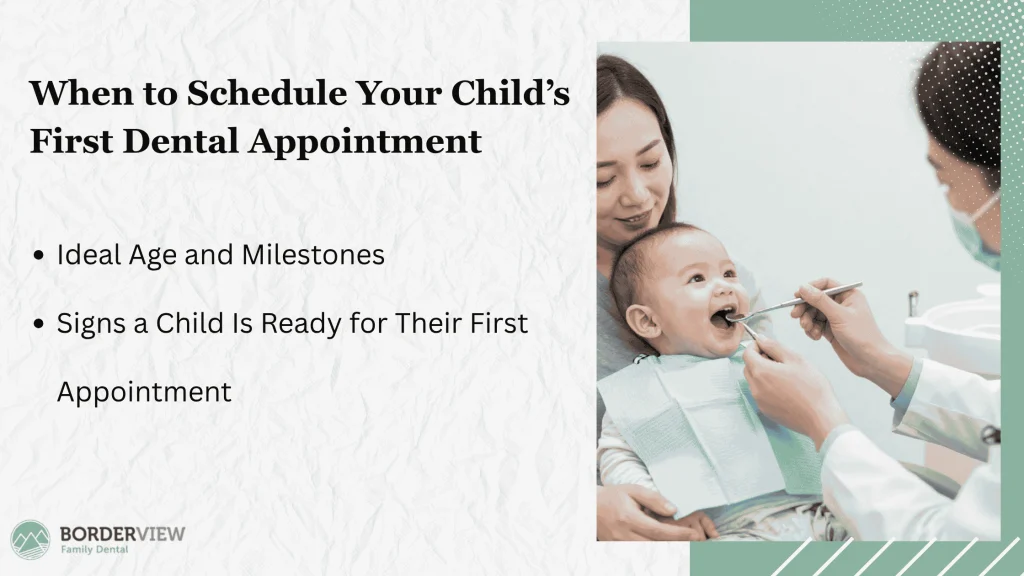
The American Academy of Pediatric Dentistry recommends scheduling your child’s first dental visit by age 1 or within six months of the first tooth erupting, whichever comes first.
Many parents are surprised by this early timing. However, as soon as your baby has teeth, they can get cavities.
Early dental visits establish a dental home and allow the dentist to check for early signs of decay. You can choose either a pediatric dentist who specializes in children’s teeth or a family dentist who treats patients of all ages.
During the first dentist visit, your dentist will give you information about baby bottle tooth decay, feeding practices, mouth cleaning, and teething.
Starting early dental care helps your child become comfortable with dental visits before treatment is needed.
Signs a Child Is Ready for Their First Appointment
Your child is ready for their first dental visit once you see a tooth breaking through the gums. You don’t need to wait for multiple teeth to appear. Even one tooth means it’s time to schedule an appointment.
Besides tooth eruption, there are other signs to watch for. If your child is teething, sucking their thumb, or using a pacifier frequently, your dentist can offer helpful advice during your child’s first dental visit. These habits can affect how teeth develop.
Don’t wait for problems to appear. The goal of early dental visits is prevention, not treatment. Your child is ready regardless of whether they can sit still or cooperate fully. The dental team understands this is a new experience for babies and toddlers.
Benefits of Early Dental Visits for Children
Taking your child to the dentist early helps prevent cavities and tooth decay while teaching them good oral care habits. Early visits also make dental appointments feel normal and less scary for young children.
Building Healthy Habits Early
Starting dental visits by age one helps your child learn that taking care of teeth is important. The dentist can show you the right way to brush your child’s teeth and how much toothpaste to use.
You’ll learn how to prevent baby bottle tooth decay, which happens when sugary drinks sit on teeth for too long.
Your pediatric dentist will explain which foods and drinks can harm your child’s teeth. They can also talk about thumb sucking and pacifier use. These early lessons help you create good routines at home.
When kids visit the dentist regularly from a young age, they learn that dental care is just part of staying healthy. This makes it easier for them to keep up good habits as they grow older.
Reducing Dental Anxiety
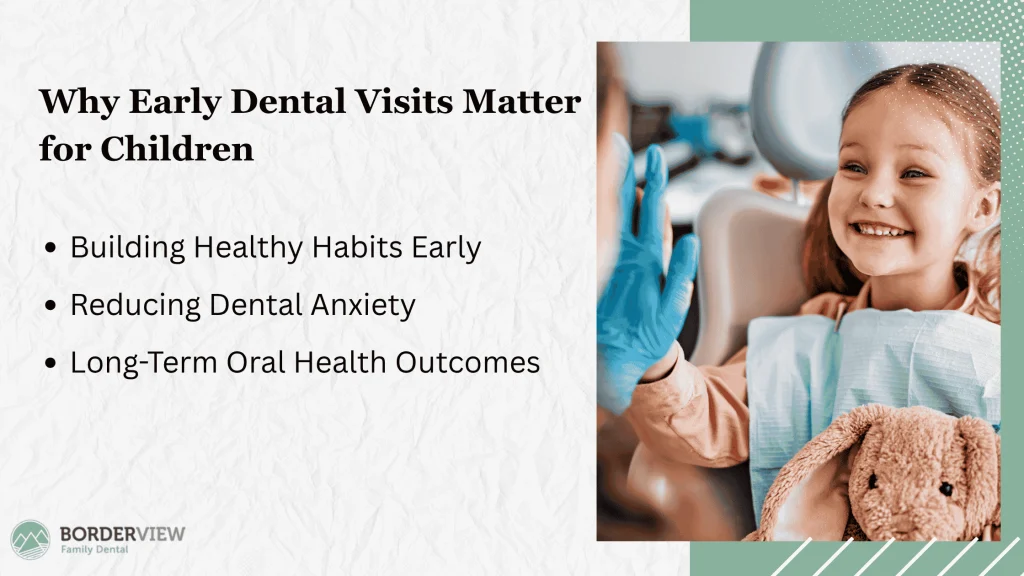
Young children who start dental visits early often feel more comfortable in the dentist’s chair. They get used to the sights, sounds, and people at the dental office before they can develop fear.
More frequent visits can build comfort and confidence in your child.
Early visits are usually quick and gentle. The dentist might just count teeth and let your child sit in the special chair. This positive first experience helps your child see the dentist as a friendly helper instead of something scary.
When dental visits feel normal and routine, your child is less likely to feel nervous about going. This means they’ll be more willing to cooperate during cleanings and checkups as they get older.
Long-Term Oral Health Outcomes
Early dental care helps catch problems when they’re small and easy to fix. The dentist can spot early childhood cavities before they cause pain or need major treatment.
Finding early tooth decay means your child might avoid fillings or other procedures later.
Early dental visits can prevent suffering and reduce dollars spent on future surgical and emergency dental services. Preventing problems costs less than fixing them after they become serious.
Regular checkups help your child’s teeth grow in properly. The dentist watches how teeth develop and can spot issues with bite or spacing early. Starting care early gives your child the best chance for healthy teeth that last their whole life.
What to Expect During the First Dental Appointment
The first dental visit typically lasts 30 to 45 minutes and focuses on making your child comfortable while checking their oral health.
The dentist will examine your child’s mouth, clean their teeth gently, and give you helpful tips for caring for their smile at home.
Common Procedures and Assessments
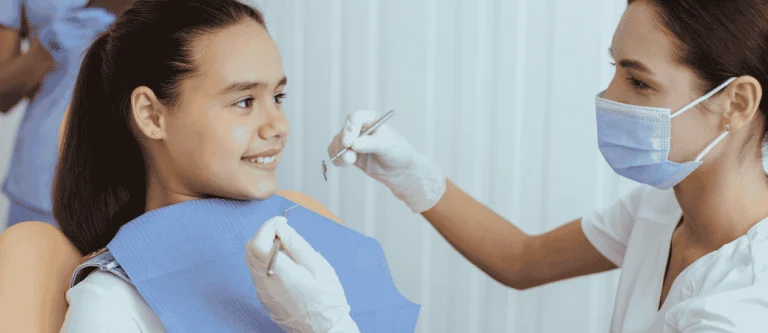
During your child’s first dental visit, the pediatric dentist will perform a full exam of the teeth, jaws, bite, gums, and oral tissues to check growth and development.
This exam helps identify any early issues before they become bigger problems.
The dentist will look for mouth injuries, cavities, or other concerns during the checkup. After the exam, they’ll clean your child’s teeth and show you the best ways to care for them at home.
Don’t worry if your child cries a little or wiggles during the exam. This is completely normal, and the dental team understands this is a new experience. The focus is on keeping your child comfortable throughout the visit.
Role of the Pediatric Dentist
A pediatric dentist specializes in treating children’s dental needs from infancy through their teen years. They create a welcoming environment that helps kids feel safe and relaxed.
First dental appointments are less about treatment and more about creating comfort, routine, and trust. The dentist will work gently with your child and explain what they’re doing in simple, friendly terms.
The pediatric dentist also educates you about proper brushing techniques, fluoride use, and nutrition. They’ll answer your questions about teething, pacifier use, and thumb-sucking habits.
Building this relationship early helps your child develop positive feelings about dental care.
Guidance for Parents and Caregivers
You can help prepare your child by talking about what will happen at the appointment ahead of time. Reading books or watching shows about friendly dental visits helps them visualize the experience.
For older children, you can practice at home by pretending to visit the dentist and counting their teeth together. This makes the real appointment feel more familiar and less scary.
Tips for a successful visit:
- Stay calm and positive yourself
- Avoid using words like “pain” or “hurt”
- Bring a favorite toy or comfort item
- Schedule the appointment when your child is well-rested
Your attitude matters more than you might think. Children pick up on your emotions, so staying relaxed helps them feel confident during their first dentist visit.
Oral Health Guidance for Babies and Toddlers
Taking care of your baby’s mouth from the start helps prevent early tooth decay and sets up good habits for life.
Proper feeding practices, managing teething pain, and controlling pacifier use all play important roles in protecting your child’s developing teeth.
Infant Feeding Practices and Cavity Prevention
Baby bottle tooth decay is a serious problem that happens when sugary liquids stay on your baby’s teeth for long periods. This includes milk, formula, fruit juice, and other sweet drinks.
Never put your baby to bed with a bottle. When liquid pools in your baby’s mouth during sleep, it bathes the teeth in sugar and causes cavities. If your baby needs comfort at bedtime, fill the bottle with plain water instead.
You should also avoid letting your child carry around a sippy cup filled with anything other than water throughout the day.
Constant sipping exposes teeth to sugar and acid attacks. Limit juice to mealtimes only, and always dilute it with water.
After feeding, wipe your baby’s gums with a soft cloth twice a day. This removes bacteria and sugars before they can cause problems. When teeth appear, switch to brushing with a tiny smear of fluoride toothpaste.
Early childhood cavities can develop quickly in baby teeth. Watch for white or brown spots on teeth, which are early warning signs of decay.
Dealing with Teething Discomfort
Teething usually starts around six months but can begin earlier or later. Your baby might drool more, want to chew on things, feel fussy, or have trouble sleeping.
Give your baby a clean, cold washcloth or teething ring to chew on. The pressure and coolness help soothe sore gums. You can also gently rub your baby’s gums with a clean finger.
Avoid teething gels that contain benzocaine, as these can be harmful to young children. Skip amber teething necklaces too, since they pose choking and strangulation risks.
If your baby seems very uncomfortable, talk to your doctor about giving infant pain reliever. Teething discomfort is normal and temporary, but it shouldn’t cause high fever or severe symptoms.
Managing Pacifier Habits and Thumb-Sucking
Pacifiers can comfort babies and reduce the risk of SIDS during sleep. However, long-term pacifier habits can affect tooth alignment and jaw development.
Try to limit pacifier use to sleep times and stressful moments rather than all day long. Never dip pacifiers in sugar, honey, or sweet liquids, as this leads to early tooth decay. Clean pacifiers regularly and replace them when they show wear.
Most children naturally stop using pacifiers between ages two and four. You should work on weaning your child off the pacifier by age three to prevent dental problems. The same timeline applies to thumb-sucking.
If your child still sucks their thumb or uses a pacifier after age three, talk to your dentist. They can monitor how it affects your child’s teeth and suggest strategies to break the habit before permanent teeth come in.
Establishing a Routine: Ongoing Dental Care Through Childhood
Children should see the dentist every 6 months for routine checkups, though some may need visits every 3 months depending on their individual needs.
Keeping up with regular dental visits helps monitor tooth development and catch problems early.
Scheduling Regular Checkups
Most children need dental appointments every 6 months, just like adults. Your family dentist or pediatric dentistry specialist might recommend more frequent visits every 3 months for certain situations.
These closer appointments help build your child’s comfort and confidence with dental care. More frequent checkups also allow the dentist to watch for developmental issues that need attention.
Regular visits include:
- Teeth cleaning and fluoride treatment
- Checking for cavities and tooth decay
- Monitoring jaw and tooth development
- Reviewing brushing and flossing habits
Starting early dental care and sticking to a consistent schedule makes dental visits feel normal instead of scary. Your child learns that seeing the dentist is a regular part of staying healthy.
Transitioning From Baby Teeth to Adult Teeth

Your child will lose their first baby tooth around age 6 or 7. The transition from baby teeth to adult teeth happens gradually over several years.
During this time, your dentist watches how adult teeth come in and checks that baby teeth fall out on schedule. They look for crowding issues or bite problems that might need treatment.
Routine appointments allow dentists to monitor growth and catch any concerns with your child’s teeth, gums, and jaw early.
Your child needs help brushing until around age 10 when they can handle the task independently. Even as they get older and more independent, keeping those regular dental visits every 6 months stays important for protecting their oral health.
Frequently Asked Questions
Most parents should schedule their child’s first dental visit by age one or within six months after the first tooth appears.
Regular checkups typically happen every six months, though some children may need more frequent visits based on their specific needs.
At what age should my baby have their first dental checkup?
The American Academy of Pediatric Dentistry recommends scheduling your child’s first dental visit by their first birthday. You should also book an appointment within six months of their first tooth coming in, whichever happens first.
This early timing might surprise you if you expected to wait longer. Many parents think they should wait until age three or when all the baby teeth come in, but that’s too late.
Is it okay to wait until age 2 or 3 for a child’s first dentist visit?
Waiting until age two or three is not recommended by dental experts. Dental problems can start early, and delaying the first visit means missing important prevention opportunities.
Early dental visits help your child build healthy habits before problems develop. The dentist can also check for early signs of tooth decay and give you guidance on proper care for your baby’s teeth.
How often should babies and toddlers go to the dentist?
Babies and toddlers should visit the dentist every six months after their first appointment. These regular checkups allow the dentist to monitor tooth development and catch any issues early.
Your dentist might recommend more frequent visits if your child has a higher risk of cavities or other dental problems. Following the recommended schedule helps protect your child’s teeth during these important early years.
How often should children get dental checkups as they grow?
Children should continue getting dental checkups every six months as they grow older. This schedule works well for most kids and helps maintain good oral health.
Some children may need to visit more often based on their individual needs. Your dentist will tell you if your child needs appointments more than twice a year.
What signs mean my child should see a dentist sooner than the next routine visit?
You should schedule an earlier appointment if your child complains of tooth pain or sensitivity. Visible holes, dark spots, or white spots on the teeth also need immediate attention.
Swollen or bleeding gums are another reason to call the dentist right away. If your child has trouble chewing, experiences a dental injury, or loses a tooth earlier than expected, don’t wait for the next scheduled visit.
What can I expect during my child’s first dental appointment?
The first dental visit focuses on examining your child’s mouth and helping them feel comfortable. The dentist will check your baby’s teeth, gums, and jaw development.
You’ll receive information about baby bottle tooth decay, proper feeding practices, and how to clean your child’s mouth. The dentist will also discuss teething and answer any questions you have about caring for your child’s teeth at home.