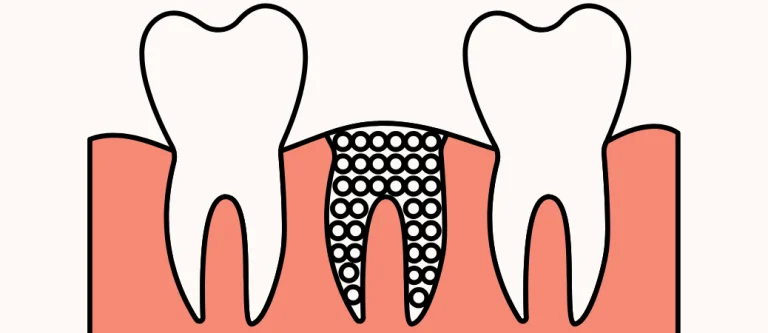

Missing most or all of your teeth can make eating, speaking, and smiling feel difficult. Full-arch implants, also known as All on 4, offer a way to replace an entire set of teeth using just four implants per arch.
This treatment has helped many people regain their confidence and quality of life.
You might be a good candidate for full-arch implants if you’re missing most or all of your teeth, have decent bone structure, are in generally good health, and want a permanent solution instead of removable dentures.
The treatment works for many people, even those who have been told they don’t have enough bone for traditional implants.
All-on-4 implants use angled placement to maximize existing bone and often avoid the need for bone grafting.
Understanding whether this treatment is right for you involves looking at your dental health, medical history, and lifestyle habits. Your dentist will evaluate several factors to determine if you qualify.
Learning about these signs can help you have a more informed conversation with your dental team about your options.
Key Takeaways
- Full-arch implants can replace an entire set of teeth using four implants per arch for people with extensive tooth loss
- Good candidates typically have adequate bone structure, reasonable overall health, and commitment to oral hygiene
- Dentists use 3D imaging and thorough evaluations to assess your bone quality and determine if the treatment will work for you
What Are Full-Arch (All-on-4) Implants?
Full-arch implants use four strategically placed posts to support an entire row of replacement teeth, while All-on-6 uses six implants for added stability in certain cases.
Both options give you fixed teeth that stay in place all day, unlike removable dentures that rest on your gums.
How All-on-4 Implants Work
All-on-4 dental implants replace a complete arch of missing teeth using just four titanium posts inserted into your jawbone. The front two implants go straight down into the bone.
The back two are placed at an angle, usually between 30 and 45 degrees.
This angled placement is what makes All-on-4 different from traditional implant methods. By tilting the rear implants, your dentist can reach denser bone toward the front of your jaw.
This approach often works even when you’ve lost bone over time.
The implants act as anchors for a custom-made prosthesis that holds all your replacement teeth. This prosthesis attaches securely to the implants and doesn’t come out during eating or talking.
Your dentist removes it only during checkups for deep cleaning.
Differences Between All-on-4, All-on-6, and Other Options
The main difference between these treatments is how many implants support your new teeth. All-on-4 uses four implants per arch, while All-on-6 uses six.
More implants can provide extra support if you have good bone density and want maximum stability.
Implant-supported overdentures use fewer implants, sometimes just two per arch. These dentures snap onto the implants but you can remove them at night for cleaning. They’re less stable than full-arch restoration but cost less.
Full-arch implants give you teeth that stay in place permanently. Overdentures give you something removable that’s more stable than traditional dentures.
Your choice depends on your budget, bone quality, and whether you want fixed or removable teeth.
Advantages Over Traditional Dentures
Traditional dentures sit on top of your gums and rely on suction or adhesive to stay in place. They can slip when you eat or talk, and many people find them uncomfortable after a few hours.
Full-arch implants offer several key benefits over removable options:
- Better stability – Your teeth won’t shift or fall out when you bite into food
- Stronger bite force – You can eat tougher foods like steak or apples
- Bone preservation – The implants stimulate your jawbone like natural tooth roots
- Less daily maintenance – You brush them like regular teeth instead of removing them for soaking
- Natural feel – They don’t cover your palate, so food tastes better and speaking feels normal
The biggest difference is that implant-supported dentures function much more like your natural teeth. You don’t need to worry about them moving around or falling out at the wrong time.
Core Signs You’re a Good Candidate
Full-arch dental implants work best for specific situations where your dental health and lifestyle needs align with what this treatment offers.
Understanding whether you qualify helps you make an informed decision about moving forward with all-on-4.
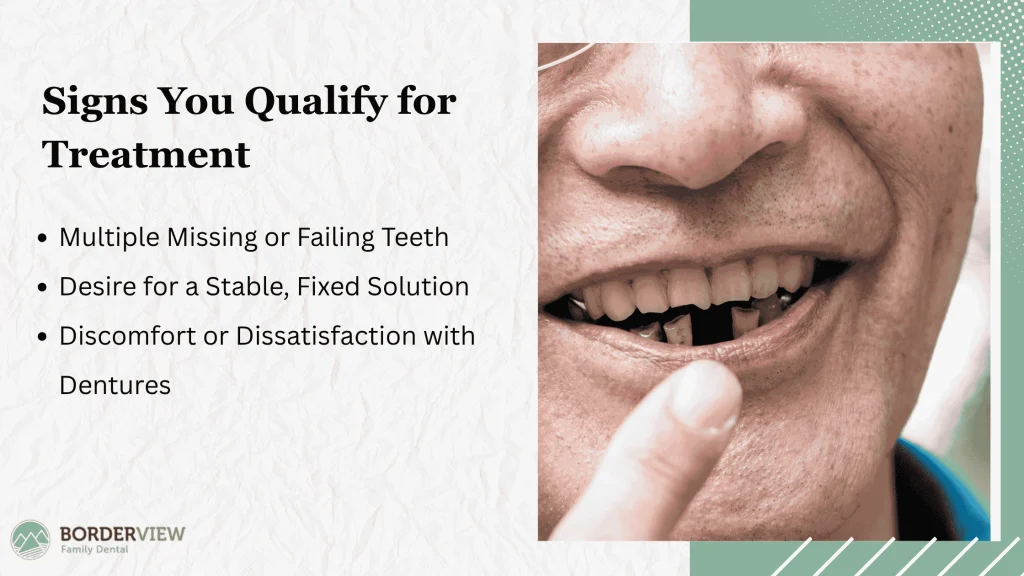
Multiple Missing or Failing Teeth
You’re likely a strong all-on-4 candidate if you’re missing most or all of your teeth in one or both arches.
This treatment was specifically designed for people who need a complete set of replacement teeth rather than individual implants.
Full-arch dental implants also work well if you have several teeth that are severely damaged or decayed beyond repair. Your dentist might recommend extracting these failing teeth and replacing the entire arch at once.
This approach often makes more sense than trying to save individual teeth that will likely continue causing problems.
The all-on-4 procedure can replace an entire upper or lower arch using just four strategically placed implants. This makes it an efficient solution when you’re facing extensive tooth loss.
You don’t need an implant for each missing tooth, which reduces both the complexity and cost of treatment.
Desire for a Stable, Fixed Solution
If you want teeth that feel and function like natural ones, full-arch dental implants provide a permanent solution that stays in place. Unlike traditional dentures that you remove each night, these implants remain fixed in your mouth at all times.
You should consider this option if you’re tired of worrying about your teeth shifting or slipping when you eat or speak. The implants anchor directly into your jawbone, creating a stable foundation that doesn’t move.
This stability lets you eat your favorite foods without restrictions.
Many people choose all-on-4 because they want to avoid the daily maintenance routine that comes with removable options. You care for these implants just like regular teeth through brushing and flossing.
There’s no need for special cleaning solutions or overnight soaking.
Discomfort or Dissatisfaction with Dentures
You might be an ideal candidate if your current dentures cause sore spots, irritation, or pain in your gums. Traditional dentures rest on top of your gums and can create pressure points that make eating uncomfortable.
Many denture wearers struggle with slipping or clicking sounds that cause embarrassment in social situations. Full-arch dental implants eliminate these issues because they’re secured to your jawbone through implant placement.
You won’t need denture adhesives or worry about your teeth moving at inconvenient times.
If your dentures have changed the way you eat or limit your food choices, switching to implants can restore your normal diet.
The secure fit and strong bite force let you enjoy crunchy vegetables, tough meats, and other foods that are difficult with traditional dentures.
Book your personalized All-on-4 consultation to see if you’re a candidate for full-arch implants.
Essential Oral and Bone Health Requirements
Your jawbone structure and gum condition form the foundation for successful implant placement. These two factors determine whether you can move forward immediately or need preparatory treatment first.
Adequate Bone Density and Volume
Your jawbone needs enough strength and thickness to hold the titanium posts securely in place. If you’ve been missing teeth for several years, your bone may have shrunk through a natural process called resorption.
The good news is that bone density and bone structure can often be improved before implant surgery. Your dentist uses 3D scans to measure the exact dimensions of your jawbone.
These images show whether you have sufficient bone volume or if you need additional support.
Common bone restoration options include:
- Bone grafting – adds material to rebuild areas with bone loss
- Ridge augmentation – widens or builds up the jaw ridge
- Sinus lift – creates space in the upper jaw by raising the sinus floor
Many patients who thought they didn’t qualify can now receive All-on-4 implants after these preparatory procedures.
The All-on-4 technique uses angled placement to maximize existing bone, which sometimes reduces the need for extensive grafting.
Gum Health and Periodontal Status
Healthy gums create the clean environment your implants need to heal properly. Active gum disease or periodontal disease can interfere with how well the implants bond to your jawbone.
Your dentist checks for inflammation, infection, and how well your gums attach to surrounding structures. Even if you have periodontal disease right now, you can still qualify after receiving periodontal therapy to stabilize your condition.
Treatment may include deep cleanings, antibiotics, or other procedures that restore gum health. Once your gums are disease-free and stable, you can move forward with implant placement.
Your oral health status directly affects long-term success rates, which is why addressing gum problems beforehand is so important.
Lifestyle and Medical Factors That Affect Candidacy
Your daily habits and health conditions play a major role in whether you qualify for All-on-4 implants.
Smoking reduces success rates, certain medical conditions require careful management, and your willingness to maintain proper oral hygiene affects long-term results.
Impact of Smoking and Tobacco Use
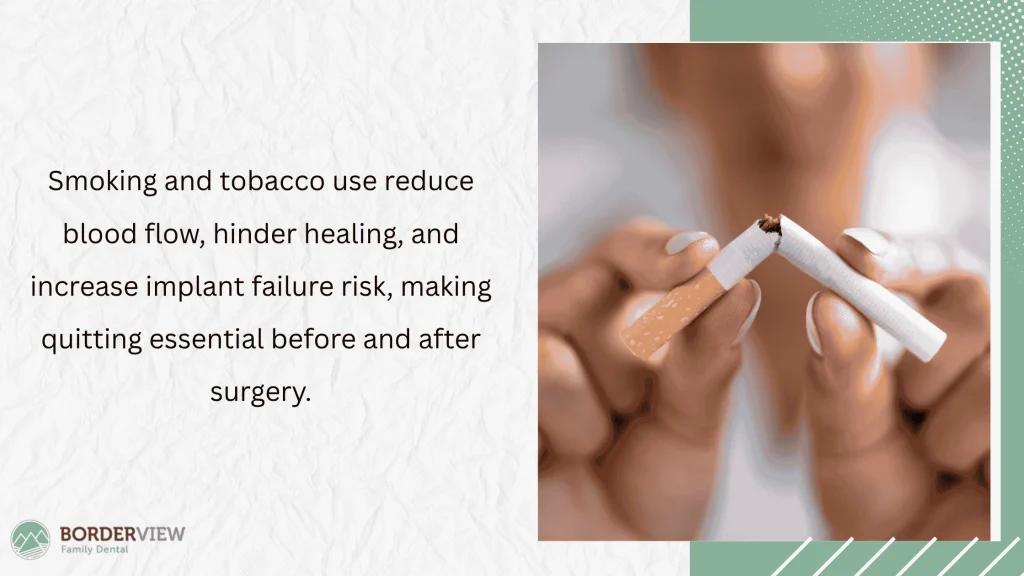
Smoking is one of the biggest threats to implant candidacy because nicotine restricts blood flow to your gums and jawbone.
This limited blood supply makes it harder for your body to heal after surgery and prevents the titanium posts from properly fusing with your bone.
Studies show that smokers have much higher implant failure rates compared to non-smokers.
If you currently smoke, your dentist will likely recommend quitting at least several weeks before your All-on-4 procedure and staying smoke-free during recovery.
Tobacco use in any form creates similar problems. Chewing tobacco and vaping also reduce blood flow and increase infection risk around the surgical sites.
Medical Conditions and Overall Health
Your overall health directly affects how well your body can handle surgery and healing. Dentists evaluate medical history carefully before approving you for All-on-4 treatment.
Diabetes requires special attention. You can still get implants if your blood sugar levels are well-controlled, but uncontrolled diabetes slows healing and raises infection risk.
Your dentist may work with your doctor to make sure your condition is stable before surgery.
Autoimmune disorders like lupus or rheumatoid arthritis can affect your body’s healing ability. These conditions don’t automatically disqualify you, but they need careful planning.
Medications matter too. Certain drugs for osteoporosis called bisphosphonates can interfere with bone healing. Always give your dentist a complete list of all medications you take.
Commitment to Oral Hygiene and Aftercare
All-on-4 implants require the same commitment to oral health as natural teeth. You need to brush twice daily, use special floss or water picks to clean around the implants, and attend regular dental checkups.
Poor oral hygiene leads to peri-implantitis, an infection that destroys the bone supporting your implants. This condition can cause your All-on-4 system to fail completely.
Your dentist will give you specific aftercare instructions following surgery. Following these guidelines is not optional if you want your implants to last decades. Most patients find the routine easy once they establish good habits.
How Dentists Evaluate Your Suitability
Your dentist will perform several tests and assessments to determine if full-arch implants will work for your specific situation. They look at your jaw structure, overall health, and individual needs to create a safe and effective plan.
Comprehensive Exam and Imaging
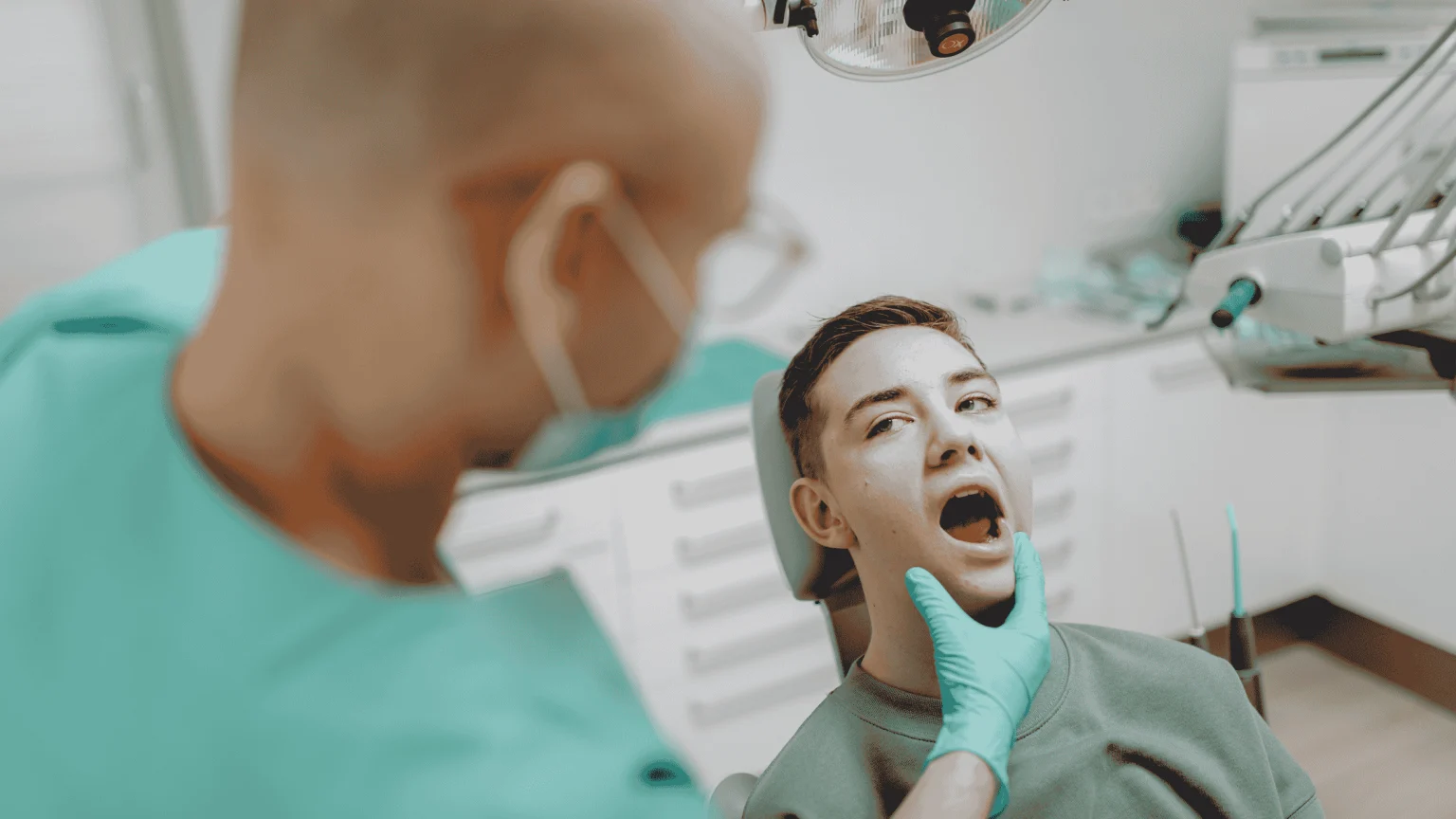
Your evaluation starts with a detailed examination of your mouth and remaining teeth. The dentist checks your gums for signs of disease and looks at the condition of any teeth that may need removal before implant placement.
Advanced imaging plays a key role in this process. Your dentist will likely use a CT scan or cone beam scan to get a 3D view of your jaw. These scans show your bone density and bone volume in precise detail.
The dentist needs to see if you have enough bone height and width to support the implants securely.
Key measurements your dentist will assess:
- Jawbone height (minimum 10mm typically needed)
- Jawbone width (at least 5mm required)
- Bone quality and density
- Location of nerves and sinuses
- Available space for full-arch restoration
If the scans show low bone density, you might still qualify for treatment. Some patients need a bone graft first to build up the jaw before implant placement can happen.
Personalized Treatment Planning

Once your dentist reviews all your test results, they create a customized treatment plan based on your unique needs. This plan maps out exactly where each implant will go and what type of full-arch restoration you’ll receive.
Your dentist considers the angle and position of each implant to maximize stability. The All-on-4 technique often uses angled back implants to avoid areas with less bone volume. This approach can help you skip bone grafting in many cases.
The planning stage also covers the timeline for your treatment. Your dentist will explain how long each phase takes and when you’ll get your temporary teeth versus your final restoration.
Most patients receive temporary teeth on the same day as implant placement.
Your treatment plan includes:
- Number of implants needed (typically 4-6 per arch)
- Exact placement locations
- Type of restoration material
- Treatment timeline and costs
Addressing Special Circumstances
Your dentist will review your complete medical history to identify any conditions that might affect your treatment. Certain health conditions like diabetes or osteoporosis need to be well-controlled before you can proceed safely.
If you smoke, your dentist will discuss how this habit affects healing and implant success.
Many dental teams require you to quit smoking before and after surgery to improve your chances of successful implant placement. The same goes for heavy alcohol use.
Some medications can interfere with bone healing or increase bleeding risks. Your dentist may work with your doctor to adjust medications temporarily or find alternative treatment approaches.
Patients taking blood thinners or certain bone medications need special consideration during planning.
You might need to address gum disease before moving forward with full-arch implants. Active infections must be treated first to create a healthy foundation for your new teeth.
Exploring Alternatives if You’re Not an Ideal Candidate
If you don’t meet the requirements for All-on-4 implants right away, several procedures can help prepare your jaw or offer different implant options that work better for your situation.
Bone Grafting and Surgical Enhancements
When your jawbone lacks sufficient density or volume, bone grafting can build up the area to support dental implants.
This procedure adds bone material to weak spots in your jaw, allowing it to heal and strengthen over time before implant placement.
A sinus lift becomes necessary when you need upper jaw implants but don’t have enough bone height due to your sinuses sitting too low. Your dentist lifts the sinus membrane and places bone material underneath, creating the space needed for stable implants.
Ridge augmentation addresses bone loss along the ridge of your jaw where teeth used to be. This technique rebuilds the natural contour of your gums and jaw, providing a stronger foundation for implants.
The healing process typically takes several months, but it significantly improves your chances of successful implant placement.
These procedures do extend your treatment timeline. However, they make implants possible when they wouldn’t be otherwise.
Other Full-Arch Implant Approaches
All-on-6 implants use six anchor points instead of four, distributing force across more implants. This approach works well if you have moderate bone loss or need extra stability.
The additional implants provide more support and can accommodate variations in your bone structure.
Implant-supported overdentures attach to two to four implants using special connectors. Unlike fixed All-on-4 bridges, you can remove these dentures for cleaning. They cost less than full-arch solutions and require less extensive surgery.
Traditional overdentures rest on your gums and use implants only for added retention. They need fewer implants than other options, making them suitable if you have significant bone loss or health conditions that limit extensive surgery.
These dentures snap onto the implants but still rely partly on your gums for support.
Frequently Asked Questions
People often have similar concerns when considering this treatment option. Health status, bone quality, and age all play roles in determining who can benefit from this procedure.
What factors determine if I’m a suitable candidate for All-on-4 dental implants?
Your overall health status is one of the main factors doctors look at. If you have uncontrolled diabetes, active cancer treatment, or certain autoimmune disorders, these conditions can affect how well your body heals after surgery.
The amount and quality of bone in your jaw matters too. All-on-4 dental implants use strategically angled implants to work with existing bone structure.
Even if you have some bone loss, you might still qualify since the angled placement often eliminates the need for bone grafting.
Your commitment to oral hygiene is another important factor. You need to be willing to brush, floss, and attend regular dental checkups.
Smoking significantly increases the risk of implant failure. If you smoke, you’ll need to quit before the procedure and stay smoke-free during recovery.
Can you describe the healing process after getting full arch implants?
The initial healing period typically lasts several weeks. During the first few days, you’ll experience some swelling and discomfort that can be managed with medication.
Your dentist will provide you with temporary teeth to wear while the implants integrate with your bone. This process, called osseointegration, usually takes three to six months.
During this time, you’ll need to eat soft foods and avoid putting too much pressure on the implants.
You’ll have follow-up appointments to check your progress. Once healing is complete, your permanent teeth will be attached to the implants.
How does overall oral health affect eligibility for full arch dental implants?
Active gum disease needs to be treated before you can get implants. Untreated periodontal disease can cause infections around the implant sites and lead to failure.
If you have remaining teeth that are severely decayed or damaged, your dentist will evaluate whether they need removal. Signs you need full arch dental implants include extensive tooth loss from decay or trauma.
Your mouth tissue needs to be healthy enough to support surgery and healing. Any infections or oral health issues must be resolved first.
Are there any age restrictions for getting All-on-4 dental implants?
There’s no upper age limit for this procedure. Your health condition matters much more than the number on your birth certificate.
Younger patients typically need to wait until their jaw has finished growing. This usually happens around age 18 for women and age 21 for men.
Older adults in good health can be excellent candidates. Many people in their 70s and 80s successfully receive full arch implants.
What are the long-term benefits of choosing full arch implants over other options?
Full arch implants are permanently fixed in your mouth, unlike removable dentures. You don’t have to worry about them slipping or falling out when you eat or speak.
The implants help preserve your jawbone by stimulating it like natural tooth roots. Traditional dentures don’t provide this benefit, and bone loss can continue over time.
You can eat a wider variety of foods with implants. They restore about 70-80% of your natural bite force, allowing you to enjoy foods that are difficult to eat with dentures.
Success rates range from 90% to 98% when properly maintained. With good care, full arch implants can last for decades.
How important is jaw bone density in the success of full arch dental implants?
Adequate bone density provides a stable foundation for the implants to anchor into. The titanium posts need enough bone to integrate properly and support the prosthetic teeth.
The All-on-4 technique works well even with moderate bone loss. The angled placement of the back implants allows them to maximize contact with existing bone in areas that are typically denser.
Your dentist will use 3D imaging to measure your bone volume and density before surgery. This technology shows exactly where the implants can be placed for the best results.
If you have severe bone loss, alternative options like All-on-6 implants or bone grafting might be recommended instead.