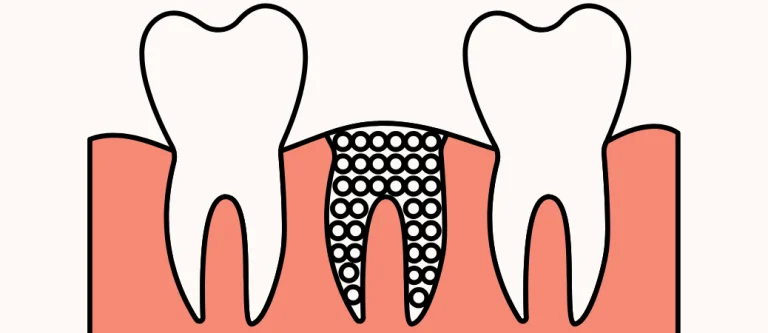


Getting dental implants is a big step toward a healthier smile, but the days right after surgery can feel a little confusing when it comes to food.
In the first week after dental implant placement, you should stick to soft, cool, and lukewarm foods like yogurt, smoothies, mashed potatoes, and scrambled eggs to protect the implant site while it heals.
Your mouth needs time to recover, and what you eat plays a big role in how smooth that recovery goes.
You might be wondering what to eat after dental implant surgery, how long you need to follow a soft food diet, or when it’s safe to add more texture again.
The good news is that recovery meals don’t have to feel restrictive once you know what to choose.
This guide walks you through everything you need to know about eating during dental implant recovery, from the best foods to enjoy to the ones you should skip.
You’ll also learn simple tips for eating without disturbing the surgical site, plus when it’s safe to move past soft foods and back to your normal routine.
Key Takeaways
- Soft, cool foods help protect your implant site during the early healing days.
- Certain foods and drinks can slow healing and should be avoided for now.
- Knowing when to add firmer foods back in helps you recover safely and comfortably.
Table of Content
- First-Week Food Timeline at a Glance
- Best Foods to Support Comfortable Healing
- Foods and Drinks to Avoid During the First Week
- How to Eat Without Disturbing the Implant Site
- When to Progress Beyond Soft Foods
- Frequently Asked Questions
First-Week Food Timeline at a Glance
Your diet after dental implant surgery will change day by day as your mouth heals. Here’s a quick breakdown of what you can eat and when, from the first day through the end of week one.
The First 24 Hours: Cool Liquids and Ultra-Soft Foods
Right after surgery, your mouth needs a break. Stick to cool liquids and ultra-soft foods that need zero chewing.
Think smoothies, protein shakes, and cool broths or soups. Yogurt, applesauce, and pudding are great choices too, since they’re gentle on your gums and easy to swallow.
Skip anything hot, since heat can irritate the surgery site and increase swelling. Avoid using a straw, because suction can dislodge the healing blood clot.
Try to eat small amounts every few hours, even if you’re not very hungry. Your body needs fuel to start healing, so don’t skip meals entirely.
Days 2–3: Gentle Soft Foods With Minimal Chewing
By day two, you can add a bit more variety, but chewing should still be minimal. Scrambled eggs, mashed potatoes, and oatmeal are easy on your mouth and packed with nutrients.
Cottage cheese is another good pick, since it’s soft and full of protein to support tissue repair. If you want something warm, try a lukewarm soup instead of a hot one.
You can also try mashed avocado or ripe bananas, both of which are soft, filling, and don’t require chewing. Keep portions small and eat slowly.
This is not the time for crunchy or hard foods, even if you’re feeling less sore than before. Give your mouth another day or two before pushing your limits.
Days 4–7: Expanding to Soft, Nourishing Meals
As swelling goes down, you can start adding more texture to your meals, as long as everything stays soft. Well-cooked pasta and soft pasta dishes work well here, especially with a mild sauce.
Flaky fish like salmon is a smart choice, since it’s soft, easy to break apart, and rich in protein. Steamed vegetables or other well-cooked vegetables are also fine now, as long as they’re soft enough to mash with a fork.
Chew on the opposite side of your mouth from the implant site to avoid putting pressure on it. Continue avoiding anything crunchy, sticky, or very chewy, since your gums are still healing.
By day seven, many people can begin adding more soft foods and textures, but returning to a normal diet depends on healing progress and your dentist’s instructions.

Best Foods to Support Comfortable Healing
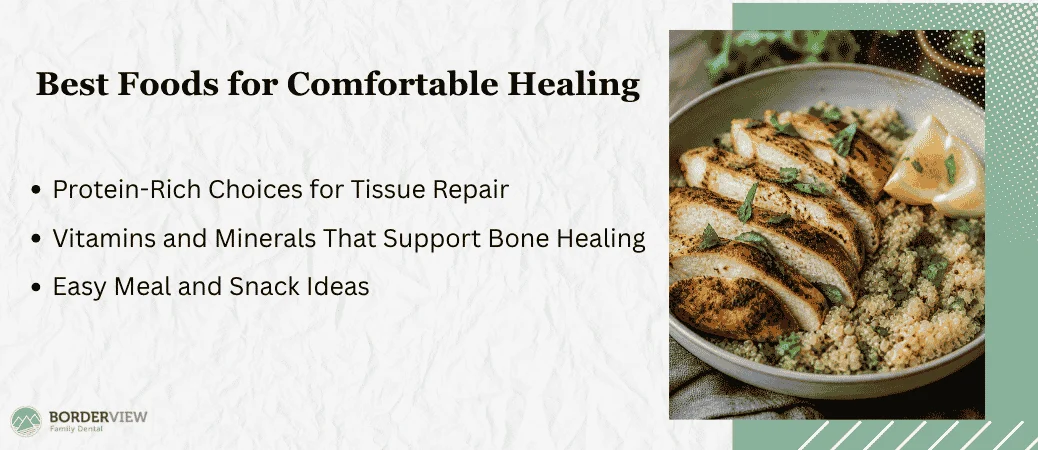
Your body needs extra protein, vitamins, and minerals to heal properly after surgery. Choosing soft, nutrient-rich foods will keep you comfortable while giving your jaw what it needs to recover.
Protein-Rich Choices for Tissue Repair
Protein plays a big role in tissue repair, so try to include it at every meal during your first week.
Soft protein sources like flaky fish, tofu, and well-cooked eggs are gentle on your healing gums while giving your body the nutrients it needs for tissue repair.
If chewing feels tricky, soft options work just as well. Greek yogurt, soft cheese, and other dairy products are easy to eat and packed with protein.
Lentils are another great choice since they blend into soups or purees without much effort.
Vitamins and Minerals That Support Bone Healing
Your jawbone needs specific nutrients to fuse properly with your new implant. If bone grafting was part of your implant treatment, following your dentist’s recovery instructions is especially important while the area heals.
Calcium and vitamin D work together to support bone health, so dairy products and fortified foods are smart additions to your plate.
Iron also matters during recovery since it helps your body repair tissue and carry oxygen to healing areas.
Vitamins A and C support your immune system and help your gums heal faster, so soft fruits and cooked vegetables are worth adding to your meals.
Getting a good mix of these nutrients can help support bone integration as your implant settles into place. A little planning now can make a real difference in how smoothly your healing goes.
Easy Meal and Snack Ideas
You don’t need to spend hours in the kitchen to eat well this week. Simple, soft foods can still be filling and nutrient-dense.
Here are some easy options to try:
- Breakfast: Scrambled eggs, oatmeal, or mashed bananas
- Lunch: Couscous with soft-cooked vegetables or a warm bowl of lentil soup
- Dinner: Mashed sweet potatoes with flaky fish or another soft protein
- Snacks: Avocado, Greek yogurt, applesauce, or cottage cheese
Foods and Drinks to Avoid During the First Week
Your mouth needs time to heal after implant surgery, so certain foods and drinks can slow that process or even hurt the surgical site. Here’s what you should skip during your first week of recovery.
Hard, Crunchy, Sticky, and Chewy Foods
Hard foods put too much pressure on your gums and the new implant. This includes chips, nuts, seeds, and popcorn kernels, which can get stuck in the wound or scrape against tender tissue.
Raw carrots and other raw vegetables are also off the table for now. They’re firmer foods that take a lot of chewing power, which is the last thing your mouth needs right now.
Crusty bread and hard candies can be just as risky. Both require biting down hard, and hard candies can crack against the implant site by accident.
Sticky foods and chewy foods deserve a break too. Caramel, taffy, and gum can pull at stitches or stick to the surgical area, which could delay healing.
Hot, Spicy, and Acidic Foods
Hot foods can irritate the surgical site and even increase swelling. Give your soup, tea, or any dish a chance to cool down before you eat it.
Spicy foods are another one to skip this week. They can cause a burning feeling on healing tissue, which is uncomfortable and unnecessary during recovery.
Acidic foods like citrus fruits, tomatoes, and vinegar-based dressings can sting the wound too.
Combining spicy and acidic foods, such as a hot salsa, is especially likely to cause discomfort, so it’s best to steer clear of both until your mouth feels more settled.
Alcohol, Coffee, and Carbonated Drinks
Alcohol can thin your blood and slow down healing, plus it may not mix well with any antibiotics your dentist prescribed. It’s best to avoid it completely for the first week.
Coffee is trickier since many people don’t want to give it up. Hot coffee can irritate the surgical site the same way any hot drink can, so if you have coffee after dental implant surgery, let it cool first and skip using a straw.
Carbonated drinks are also worth skipping this week. The bubbles and pressure from sodas or sparkling water can disturb the healing site and cause unnecessary discomfort.
How to Eat Without Disturbing the Implant Site
Eating the right way after surgery matters just as much as eating the right foods. Small habits, like how you sip, chew, and clean your mouth, can protect the blood clot and keep swelling and discomfort to a minimum.

Why Straws and Suction Are a Concern
You should skip straws for at least the first week after surgery. The sucking motion creates pressure in your mouth that can pull the blood clot right out of the implant site.
That clot is doing important work. It protects the surgical site and helps new tissue start to form.
If the clot gets dislodged, you might notice more pain, swelling, or slower healing. This applies to smoothies, milkshakes, and other drinks too.
This applies to smoothies, milkshakes, and other drinks too. Use a spoon for thicker drinks like smoothies, and sip other beverages gently from a cup.
Small Bites, Slow Eating, and Opposite-Side Chewing
Taking your time with meals gives your mouth a chance to heal without added stress. Cut your food into small, manageable pieces so you don’t have to bite down hard or open wide.
Chewing on the opposite side from your implant site is one of the easiest ways to avoid discomfort. This keeps pressure and food debris away from the surgical area while it heals.
Eating slowly also helps you notice if something feels off, like a sharp edge or too much heat, before it causes a problem.
Give yourself extra time at meals for the first week, and don’t rush through food just to get back to your day.
Hydration and Gentle Oral Hygiene After Meals
Staying hydrated supports your body’s natural healing process, so keep drinking water throughout the day. Just remember to sip gently instead of gulping or using a straw.
Rinsing your mouth after meals helps remove food particles without disturbing the clot.
Your dentist may recommend a gentle saltwater rinse or a specific mouthwash, so follow their instructions closely for oral hygiene during this time.
Brush carefully around the implant site, avoiding direct contact for the first few days. Good oral health habits now can lower your risk of infection and help reduce preventable causes of dental implant failure as your mouth continues to heal.
When to Progress Beyond Soft Foods
Moving past a soft food diet is not about hitting a certain day on the calendar. It depends on how your mouth feels and what your dentist tells you during your dental implant recovery.
Signs You May Be Ready for More Texture
Your body will usually give you clues when it is time to add firmer foods. Pain and swelling should be going down, not staying the same or getting worse.
Here are a few signs that often mean you are ready for a bit more texture:
- Little to no pain when you chew softly on the opposite side of your mouth
- Gums around the implant look less red and puffy
- You can open your mouth normally without discomfort
- It has been at least one to two weeks since your surgery
If any of these are missing, it is best to stick with a soft food diet a bit longer.
Why Osseointegration Still Requires Care
Even when you feel better, your jawbone is still healing on the inside. This is called osseointegration, which is the process where bone grows around the implant to hold it in place.
Osseointegration usually takes several months, although the exact timeline varies from person to person.
Factors such as overall health and bone condition can affect recovery, which is especially important to consider with dental implants after 60. During this time, biting down too hard can put stress on the implant before it is ready.
That is why moving to firmer foods should happen slowly, not all at once. Protecting the implant during this healing stage is also important for its long-term stability and dental implant longevity.
Think of it like training for a race. You build up little by little instead of jumping straight to the hardest workout.
When to Contact Your Dentist
Sometimes your body sends signals that mean you should slow down or check in with your dentist. Trust these signals instead of pushing through discomfort.
Reach out to your dentist if you notice:
- Pain that does not improve or gets worse over time
- Swelling that lasts longer than a week
- The implant feels loose or wobbly
- Signs of infection, like pus or a bad taste in your mouth
Regular dental check-ups also help track your implant healing and confirm when firmer foods are truly safe.
At Borderview Family Dental, Dr. Gagan Sandhu can evaluate how your implant site is healing and provide guidance based on your specific recovery.
Frequently Asked Questions
Recovering from dental implant surgery brings up a lot of questions about food, drinks, and how long you need to be careful. Below are answers to the most common questions about eating safely and helping your implant heal well.
What soft foods are safe to eat during the first week after dental implant surgery?
You have plenty of good options during the first week. Try yogurt, mashed potatoes, scrambled eggs, smoothies, soup, applesauce, and oatmeal. Well-cooked pasta with a smooth sauce also works well since it’s gentle on your gums.
There are actually dozens of soft food choices you can rotate through so your meals don’t get boring. Stick to foods that don’t need much chewing, especially near the surgical site.
When can I start eating normally after getting a dental implant?
Some people can begin adding more normal foods within a few weeks, but the timing depends on the implant site, healing progress, and your dentist’s instructions. Full chewing at the implant site may need to wait longer.
Can I eat rice after dental implant surgery?
Rice is soft, so it seems like an easy choice. But small rice grains can get stuck in the surgical area, which isn’t ideal during the first few days.
If you want rice, wait until after the first few days and rinse your mouth gently afterward.
Why should I avoid dairy products after getting dental implants?
Here’s some good news: you don’t actually need to avoid dairy. This is a common myth, but there’s no real reason to skip yogurt, milk, or cheese after implant surgery.
In fact, dairy products can help your recovery.
What foods and drinks should I avoid while my dental implant is healing?
A few things can slow down healing or cause problems. Skip alcohol, straws, very hot drinks, spicy foods, and anything crunchy or full of small seeds for at least the first week.
Alcohol is especially important to avoid since it can interfere with antibiotics you may be taking.
What can I eat to help my dental implant heal faster?
Certain foods can actually support your healing process. Protein-rich foods like eggs and soft fish help repair tissue, while foods with vitamin C support your gums.
Calcium-rich foods like yogurt and cheese also help your jawbone bond with the implant.
Staying hydrated matters too, so drink plenty of water throughout the day.