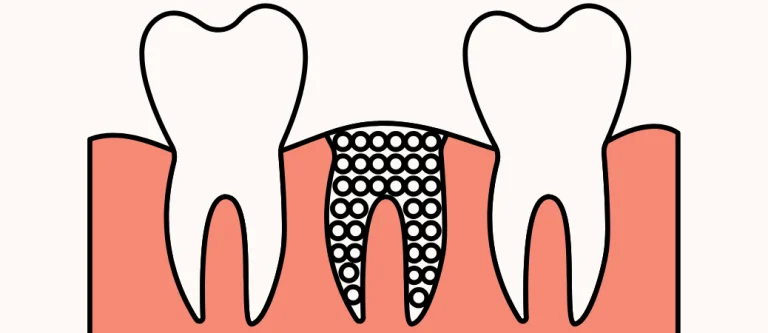

You expect a dental implant to stay strong for years. When it feels loose or painful, you may wonder what went wrong. Dental implants have high success rates, but failure can still happen under certain conditions.
Dental implants usually fail because of infection, poor bone support, too much pressure on the implant, or health issues that affect healing.
Problems like peri‑implantitis, which is a gum infection around the implant, can damage the bone if you do not treat it early. Smoking, uncontrolled diabetes, teeth grinding, and poor oral hygiene can also raise your risk.
When you understand the causes, you can take clear steps to protect your investment. You can also spot early warning signs and seek care before the problem gets worse.
With the right treatment plan, many failed dental implants can be removed and replaced after proper healing.
Key Takeaways
- Implant failure often links to infection, bone loss, or excess pressure on the implant.
- Early signs like pain, swelling, or movement need quick dental care.
- Good hygiene, regular dental exams, checkups, and managing health conditions improve long-term success.
What Is Dental Implant Failure?
Dental implant failure happens when your implant does not stay stable, bond with bone, or function without pain or infection. It can occur soon after surgery or many years later, and the reason often guides the next step in treatment.
Definition and Types of Implant Failure
Dental implant failure means the implant cannot support normal chewing or remain firmly anchored in your jawbone. You may notice movement, ongoing pain, gum changes, or bone loss around the implant.
Dentists often group implant failure into two main types:
- Biological failure – bone does not bond to the implant, or infection destroys supporting tissue.
- Mechanical failure – parts such as screws or crowns loosen, break, or wear down.
Biological problems often involve poor bone healing or gum infection. For example, infection around an implant can damage bone and lead to instability.
Mechanical problems usually develop from heavy bite force, teeth grinding, or loose components. Both types affect implant longevity and may require repair or removal.
Early vs. Late Implant Failure
Early implant failure happens before the implant fully bonds to your bone. This bonding process, called osseointegration, usually takes a few months.
If your bone does not attach firmly, the implant may feel loose or painful during healing. Early failure often links to infection, poor bone quality, smoking, or surgical issues.
Late implant failure occurs after the implant has worked well for years. You might ask, how long do dental implants last? Many last decades, but long-term stress and inflammation can still cause problems.
Late failure often results from:
- Ongoing bone loss
- Chronic gum inflammation (peri-implantitis)
- Repeated bite pressure
- Changes in your overall health
Some cases appear stable for years before hidden bone loss leads to implant failure.
Success and Survival Rates
Dental implants have a high implant success rate, but success and survival are not the same thing.
- Implant survival means the implant remains in your mouth.
- Implant success means it stays stable, pain-free, and free of bone loss.
An implant can survive but still show problems such as gum recession or mild bone changes. Your dentist checks for bleeding, mobility, and bone levels on X-rays to confirm true success.
Implant longevity depends on bone quality, oral hygiene, bite force, and regular dental visits. When you control risk factors and attend follow-ups, you improve both implant survival and long-term stability.
Causes of Dental Implant Failure
Dental implant failure usually happens when the implant does not bond with your bone, infection damages the tissue around it, or excess force weakens the area.
Problems with bone quality, implant surgery, or the final crown can also lead to implant complications.

Failed Osseointegration
Osseointegration means your jawbone grows tightly around the implant surface. This bond keeps the implant stable when you chew.
When failed osseointegration occurs, the implant feels loose because the bone never fused to it. This often happens in the first few months after implant surgery.
Several factors raise your risk:
- Poor bone quality at the implant site
- Smoking
- Uncontrolled diabetes
- Excess movement of the implant during healing
- Overheating of bone during surgery
If your body cannot form a strong bond, you may notice pain, swelling, or movement before the final crown is placed. Dentists call this early implant failure.
In many cases, your dentist will remove the implant to prevent more implant bone loss. After healing, you may need a bone graft before trying again.
You can read more about early implant failure and osseointegration problems in this guide on dental implant failure signs and causes.
Infection and Peri-Implantitis
Infection is one of the most common causes of dental implant failure. Bacteria can build up around the implant and irritate the gums.
Early inflammation is called peri-implant mucositis. At this stage, the gums look red and bleed easily, but bone loss has not started. With good cleaning and treatment, you can often reverse it.
If infection spreads deeper, it becomes peri-implantitis. This condition causes peri-implant bone loss and can lead to progressive bone loss over time.
You may notice:
- Bleeding when brushing
- Bad taste or odor
- Swelling around the implant
- Pus or discharge
- Slight implant movement
Plaque buildup, trapped cement, and poor oral hygiene increase your risk.
Research reviews show that infection remains a leading local factor in implant failure, especially when bone loss continues untreated, as described in this review on the etiology and management of dental implant failure.
Severe cases may require surgery or even dental implant removal.
Poor Bone Quality and Bone Loss
Your implant depends on strong bone support. If your jawbone is thin or soft, it may not hold the implant securely.
Low bone density often affects the upper jaw. Long-term tooth loss can also shrink the bone before you ever get an implant.
Systemic conditions can make things worse. Uncontrolled diabetes, osteoporosis, and certain medications may slow wound healing and weaken bone response. Smoking also reduces blood flow, which affects healing.
Even after successful placement, you can develop implant bone loss if too much pressure is placed on the implant. Excessive biting forces or teeth grinding can speed up progressive bone loss.
If bone quality is poor, your dentist may recommend a bone graft before implant surgery. This step builds a stronger foundation and lowers the risk of failure.
Surgical and Prosthetic Complications
Some dental implant complications start during surgery. Poor implant positioning, lack of primary stability, or surgical trauma can interfere with healing.
If the implant sits at the wrong angle or depth, it may not handle chewing forces well. This increases stress on the bone and raises the risk of implant failure.
After healing, prosthetic complications can also cause problems. These include:
- Loose or broken screws
- Poorly fitting crowns
- Excess cement under the gum
- Bite problems that create uneven pressure
Late implant failure often relates to excessive loading or poor prosthetic design.
Regular follow-up visits help your dentist spot these issues early. Quick adjustments can protect your bone and reduce the chance of implant removal.
Worried your dental implant might fail? Schedule a consultation for expert advice and solutions.
Risk Factors and Contributing Conditions
Certain health problems, daily habits, and site-specific issues can raise your risk of implant failure. When you understand these factors, you can take clear steps to protect your implant and support proper healing.
Medical Conditions and Medications
Some systemic conditions make it harder for your body to heal after implant surgery.
Uncontrolled diabetes can slow healing and raise your risk of infection. Conditions that weaken your immune system can also affect how well the implant bonds to your bone.
Bone disorders such as osteoporosis may reduce bone density. Lower bone density can limit how well the implant fuses with your jaw. This problem can increase early failure if the implant never fully integrates.
Certain drugs also affect outcomes. For example, long-term use of bisphosphonates can interfere with normal bone turnover. Steroids may reduce your body’s ability to manage inflammation.
Researchers continue to study how these and other health issues affect outcomes.
Tell your dentist about all medical conditions and medications before surgery. Careful planning lowers your risk.
Lifestyle Factors and Poor Oral Hygiene
Your daily habits play a direct role in implant success.
Poor oral hygiene allows plaque to build up around the implant. This buildup can trigger an inflammatory response in the surrounding tissue. If untreated, it may lead to bone loss around the implant.
This condition, known as peri-implantitis, often starts with mild gum inflammation. Over time, it can cause pain, bleeding, and implant movement.
Smoking also reduces blood flow to the gums. Lower blood flow slows healing and raises infection risk.
Grinding your teeth, especially at night, places extra force on the implant. That force can damage the bone or loosen parts of the restoration.
Daily brushing, flossing, and regular dental visits help control these risks.
Systemic and Local Risk Factors
Implant failure often results from a mix of systemic and local risk factors.
Local factors include poor bone quality, infection at the surgical site, and surgical trauma. If the implant lacks strong initial stability, it may fail before it bonds with bone. Overheating the bone during placement can also delay healing.
Excessive bite force can overload the implant. When the bone cannot handle that stress, it may break down over time.
Infection remains one of the most common local causes. Bacteria around the implant can trigger inflammation and bone loss, as described in this review on the etiology and management of dental implant failure.
A history of periodontal disease also raises your risk. If gum disease damaged your supporting bone in the past, you may face similar problems around an implant.
Your dentist can assess bone quality, gum health, and bite forces before treatment. Careful evaluation reduces preventable complications.
Recognizing the Signs and Symptoms of Implant Failure
Dental implants usually heal without problems, but certain changes can signal trouble. You should watch for pain, movement, gum changes, and issues with the crown or bridge attached to the implant.
Pain, Mobility, and Discomfort
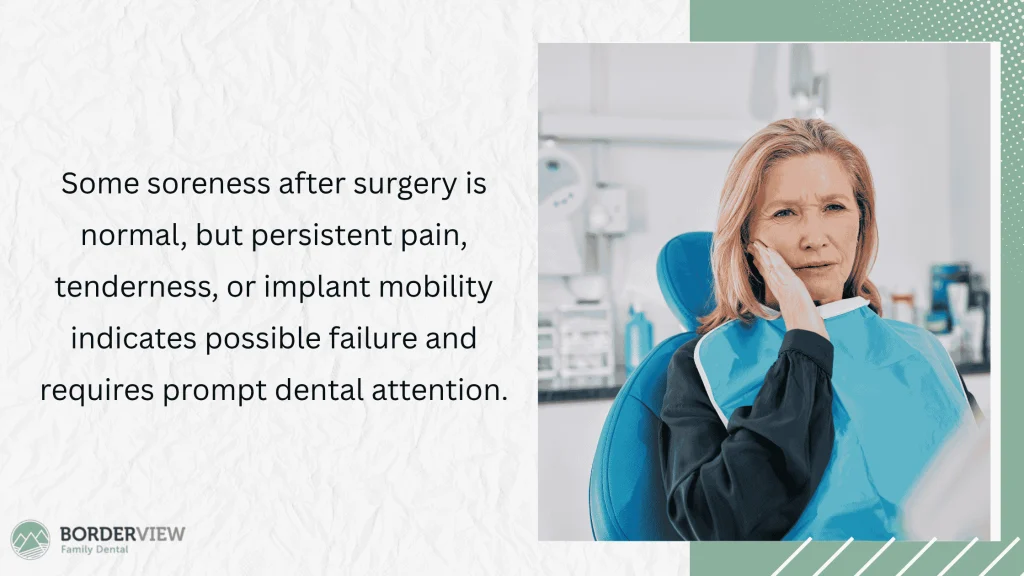
Some soreness is normal right after surgery. Ongoing or worsening pain weeks or months later is not.
One of the most common symptoms of implant failure is pain when you bite or chew. You may feel pressure, throbbing, or sharp discomfort that does not improve. This can point to infection or poor bone bonding.
Another serious warning sign is implant mobility. An implant should feel as stable as a natural tooth. If it shifts, rocks, or feels loose, the bone may not have fused to it.
Pay attention to these signs of dental implant failure:
- Pain that increases instead of fades
- Tenderness when touching the area
- A feeling that the implant moves
If you notice movement, contact your dentist right away. Early action can prevent further bone loss.
Gum Recession and Inflammation
Healthy gums around an implant should look pink and firm. Redness, swelling, or bleeding can signal infection.
You might see gum recession, where the gum pulls away and exposes more of the implant or metal post. This often links to peri-implant infection. As bacteria build up, they irritate the tissue and damage the supporting bone.
Common warning signs include:
- Bleeding when brushing near the implant
- Swollen or shiny gum tissue
- Pus or a bad taste in your mouth
These are clear signs of dental implant failure, especially if they continue for more than a few days. Infection can spread and lead to bone loss if you ignore it.
Schedule an exam if you see these changes. A dentist can measure pocket depth and take X-rays to check the bone around your implant.
Implant Loosening and Prosthetic Issues
Sometimes the problem is not the implant itself but the crown, bridge, or screw attached to it. You may feel the tooth shift slightly when you chew.
If only the crown feels loose, the issue may be a worn or loose screw. This is usually fixable without removing the implant. However, if the entire post moves, that suggests true implant failure.
Look for these signs:
- A gap between the gum and crown
- Clicking or movement while eating
- Changes in how your bite feels
Do not try to tighten or adjust anything on your own. Even small changes in fit can stress the bone and worsen the problem.
Quick treatment can often save the implant or at least protect the surrounding bone and tissue.
Prevention Strategies for Long-Term Implant Success
You can prevent dental implant failure by choosing the right implant dentist, keeping your mouth clean every day, and making sure your implant restoration fits and functions the right way.
Careful planning and steady follow‑up protect the bone and gums that support your implant.
Choosing an Experienced Implant Dentist

Your results depend heavily on the skill and training of your implant dentist. Surgeon experience affects implant positioning, primary stability, and long-term bone support.
An experienced provider will review your medical history, take 3D scans, and check bone quality before surgery. This planning step lowers the risk of poor placement and early failure.
If your bone is thin or soft, your dentist may recommend regenerative procedures such as guided bone regeneration (GBR), ridge augmentation, or a sinus lift. These treatments rebuild bone so the implant has a stable base.
Research shows that both surgical factors and patient risks affect outcomes. Choosing a dentist who understands these risks helps you prevent dental implant failure before treatment even begins.
Oral Hygiene and Maintenance
Daily plaque control plays a direct role in preventing dental implant failure. Bacteria around the implant can cause inflammation and bone loss if you do not remove them.
Brush twice a day with a soft brush. Clean around the implant using floss, interdental brushes, or a water flosser. Your dentist may suggest an antimicrobial rinse if your gums show signs of irritation.
Professional cleanings and exams are just as important. During these visits, your provider measures pocket depths and checks for early bone changes on X-rays.
Peri-implant inflammation often starts silently, so regular maintenance helps stop small problems before they turn into serious complications.
If you smoke or have uncontrolled diabetes, work with your medical team to improve your health. These steps improve healing and lower infection risk.
Prosthetic Planning and Patient Education
Strong bone alone does not guarantee success. Proper prosthetic planning ensures your implant restoration handles bite forces safely.
Your dentist designs crowns and implant restorations to distribute pressure evenly. Poorly aligned crowns or heavy bite forces can overload the implant and lead to bone loss or loose components.
If you grind your teeth, you may need a night guard. This simple step protects both the implant and nearby teeth.
Clear communication also matters. You should understand how your implant supports your oral rehabilitation plan, how to clean it, and what warning signs to watch for.
When surgical precision, smart prosthetic planning, and good daily habits work together, you greatly reduce the risk of complications and support long-term implant success.
Treatment and Recovery After Dental Implant Failure
When a failed dental implant occurs, you need clear next steps. Treatment often includes implant removal, bone repair, and careful planning for re-implantation or another tooth replacement option.
Implant Removal and Site Healing
If your dentist confirms a failed implant, the first step is implant removal. Dentists also call this explantation. They remove the loose or infected implant to stop further bone loss and control infection.
You may notice signs like pain, swelling, pus, or movement before removal. After explantation, your body needs time to heal. The area may close on its own, or your dentist may place stitches.
Healing time depends on:
- Bone loss around the implant
- Presence of infection
- Your overall health
In many cases, you wait several weeks to a few months before the next step. During this time, you must keep the area clean and attend follow-up visits. Careful healing protects your bone and improves your chances of long-term implant success.
Bone Grafting and Regenerative Solutions
If bone loss occurred, you may need bone grafting before re-implantation. A graft rebuilds the jaw where the failed dental implant damaged or weakened the bone.
Dentists can place the graft at the same time as implant removal or later, depending on the condition of your bone. Some cases involve guided bone regeneration, which combines bone material with a protective membrane to support healing.
This staged approach is described in detail in The Etiology and Management of Dental Implant Failure: A Review.
Bone grafts may use:
- Your own bone
- Donor bone
- Synthetic materials
Healing often takes several months. You must avoid pressure on the area and follow care instructions closely.
Strong bone support plays a key role in long-term implant success. Without it, another implant may fail again.
Re-Implantation and Alternative Options
Once your site heals, you and your dentist can plan re-implantation. In some cases, your dentist places a new implant with a wider diameter for better stability.
Success depends on fixing the original cause of failure. If infection caused the problem, your dentist will focus on plaque control and regular cleanings. If overload caused it, they may adjust your bite or recommend a night guard.
When re-implantation is not ideal, you still have options. These include:
- A dental bridge
- A removable partial denture
- A full denture in cases of multiple missing teeth
You should review the risks, benefits, and healing time of each choice. Careful planning and follow-up visits greatly improve your chances of stable, long-term implant success.
Frequently Asked Questions
Dental implant failure often shows clear warning signs like pain, movement, or bone loss. You can lower your risk with good oral care, careful planning, and quick action if problems start.
What are the early signs of dental implant failure?
You may notice pain when you bite or chew. Swelling, bleeding, or pus around the implant can also appear.
A loose implant is a serious warning sign. Early failure often means the implant never bonded well with your bone.
You might also see gum redness or bone loss on an X-ray. Do not ignore slight movement, since a stable implant should not shift at all.
How can you prevent dental implants from failing?
You can reduce risk by brushing twice a day and cleaning around the implant carefully. Flossing or using special implant brushes helps remove plaque near the gum line.
Regular dental visits matter. Professional cleanings and exams help catch problems early, especially peri-implantitis, which is a gum infection around implants.
You should also manage health conditions like diabetes and avoid smoking. These steps support strong healing and long-term stability.
What steps should be taken if an implant fails after several years?
Call your dentist as soon as you notice pain, swelling, or movement. Late failure often relates to infection, excess pressure, or bone loss over time.
Your dentist will take X-rays and check the implant’s stability. In some cases, they remove the implant to prevent more bone damage.
After removal, you may need bone grafting before placing a new implant. Healing time depends on how much bone was lost.
Who might be held accountable when a dental implant fails?
Responsibility depends on the cause. If poor oral hygiene or smoking led to infection, you may share responsibility.
If improper planning, surgical error, or poor implant placement caused the problem, the dental provider may be accountable. Implant malposition and excessive force are known risk factors.
You may need a second opinion to understand what went wrong. Clear records and imaging help review the case.
Are there any recovery options available for a failed dental implant?
Yes, you usually have options. Your dentist may replace the failed implant with a wider one or place a new implant after bone grafting.
Infection around the implant, called peri-implantitis, may respond to deep cleaning, local antibiotics, or surgery. Treatment methods are explained in this guide on dental implant failure treatment options.
If implants are not suitable again, bridges or removable dentures can restore function and appearance.
Is a refund or compensation possible in the case of dental implant failure?
Refunds depend on the dental office policy and the reason for failure. Some offices offer partial refunds or credit if the implant fails within a warranty period.
If negligence caused harm, you may speak with a legal professional about your rights. Keep treatment records, X-rays, and written agreements to support your case.
Always discuss financial policies before treatment so you know what coverage or guarantees apply to your care.