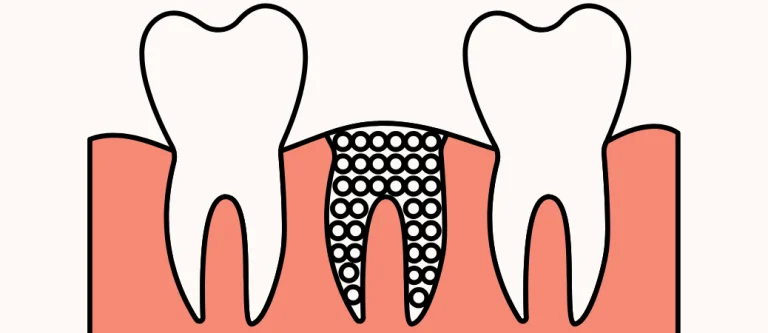


You want to know if dental implants will last for a few years or for the rest of your life. The short answer is simple.
With proper care, dental implants can last decades and often a lifetime, while the crown may need replacement after 15 to 20 years.
Dental implants bond with your jawbone, which makes them strong and stable. Studies show high success rates over 10 years, often around 90 to 95 percent.
Your daily habits, overall health, and dentist’s skill all play a role in how long your implant stays secure.
If you want your implant to last as long as possible, you need to understand what affects its lifespan and how to prevent problems. A closer look at the parts of an implant and how long they last can help you plan for the future.
Key Takeaways
- Dental implants can last decades, but crowns may need replacement over time.
- Your oral hygiene, health, and dental care strongly affect long-term success.
- Good habits and regular checkups help protect your investment.
Table of Content
- Dental Implant Components and Their Lifespans
- Key Factors Influencing Implant Longevity
- Common Causes of Implant Failure and How to Prevent Them
- Best Practices for Extending Dental Implant Lifespan
- Choosing the Right Tooth Replacement for Long-Term Success
- Frequently Asked Questions
Dental Implant Components and Their Lifespans
A dental implant has three main parts, and each one wears at a different rate. Knowing how long each part lasts helps you plan for future care and costs.
Implant Post Durability
The implant post sits in your jawbone and acts like an artificial tooth root. Most posts are made of titanium or ceramic and are designed to stay in place for decades.
When your bone bonds to the post through a process called osseointegration, the implant becomes stable. Studies report a 90 to 95 percent success rate over 10 years.
Many implant posts last much longer when you keep your gums healthy.
Your daily habits matter. Smoking, poor brushing, and untreated gum disease can shorten implant longevity. Bone loss from conditions like osteoporosis can also affect how long your dental implant stays secure.
With good oral care and regular dental visits, the implant post often lasts the longest of all the parts.
Abutment and Crown Replacement Timeline
The abutment connects the implant post to the dental crown. It usually lasts many years, but it can loosen or wear over time.
The dental crown takes the most force from biting and chewing. Because of normal wear, 50 to 80 percent of crowns may need replacement after 15 to 20 years.
You may need a new crown if it chips, cracks, or no longer fits well. Teeth grinding can also damage the crown or loosen the abutment.
Replacing a crown does not mean the entire dental implant failed. In many cases, your dentist can keep the implant post in place and simply attach a new crown. This makes long-term tooth replacement more predictable and cost-effective.
Comparing Longevity: Implants, Bridges, and Dentures
When you compare tooth replacement options, dental implants often last the longest. The implant post can stay in place for decades with proper care.
A dental bridge usually lasts about 10 to 15 years before it may need replacement. Bridges rely on nearby natural teeth for support, which can increase wear on those teeth.
Dentures often need adjustment or replacement every 5 to 10 years. Your jawbone changes shape over time, which affects how dentures fit.
Dental implant lifespan depends on your health and hygiene, but implants do not rely on other teeth for support. If you want a long-term solution with fewer replacements, implants often provide more durability than other tooth replacement options.

Key Factors Influencing Implant Longevity
Your dental implant can last decades, but its lifespan depends on how well your bone and gums support it. The way your dentist places the implant and the materials used also affect long-term stability.
Bone Health and Osseointegration
Your jawbone must fuse tightly with the implant through a process called osseointegration. This bond gives your dental implant the strength it needs to handle daily chewing.
If you have strong bone health, the implant can anchor firmly and stay stable for many years. But bone loss from gum disease, missing teeth, or injury can weaken support and shorten implant lifespan.
In some cases, you may need bone grafting before implant placement. A graft builds up thin or weak areas so the implant has enough support. Without proper bone integration, the implant may loosen or fail.
Studies show that modern implants have high success rates in healthy patients, with many reports noting over 95% success in ideal conditions.
Your overall health, including conditions like diabetes, can also affect how well your bone heals around the implant.
Gum Health and Oral Hygiene
Healthy gums protect the bone around your dental implant. If plaque builds up, bacteria can cause inflammation around the implant, known as peri-implantitis.
This infection can lead to bone loss and reduced implant stability. Over time, untreated gum problems may shorten dental implant longevity.
You can lower your risk by brushing twice a day, flossing daily, and keeping regular dental visits. Many experts stress the value of routine checkups, often every six months, to monitor gum health and implant stability.
Smoking also raises your risk of gum disease and poor healing. If you smoke, quitting can improve your implant lifespan and overall oral health.
Implant Placement and Materials
Precise implant placement plays a direct role in long-term success. Your dentist must position the implant at the correct angle and depth to support even bite pressure.
Poor placement can overload the implant and weaken bone integration. Experience and planning matter. Imaging tools help your provider assess bone structure before surgery.
Implant material also affects durability. Most dental implants use titanium because it bonds well with bone and supports strong osseointegration.
Research highlights that implant design, surface texture, and other technical features influence long-term outcomes.
When you combine skilled placement with quality materials and good daily care, you give your implant the best chance to last for many years.
Common Causes of Implant Failure and How to Prevent Them
Dental implant failure usually starts with infection, bone loss, or slow healing linked to health habits. When you understand these risks, you can take clear steps to protect your implant and support long-term oral health.
Peri-Implantitis and Peri-Implant Disease
Peri-implantitis is a serious form of peri-implant disease. It happens when bacteria build up around the implant and cause inflammation and bone loss.
You may notice red gums, bleeding when brushing, bad taste, or swelling. In more advanced cases, the implant can feel loose.
Poor cleaning, untreated gum disease, and missed dental visits raise your risk. Infection is one of the leading reasons implants fail.
To prevent peri-implantitis, focus on:
- Brushing twice daily with a soft brush
- Cleaning between teeth with floss or interdental brushes
- Scheduling regular professional cleanings
- Treating gum disease before implant placement
Healthy gums create a stable seal around the implant. Strong gum health supports long-term oral health and lowers your risk of implant failure.
Bone Loss and Implant Failure
Your implant must fuse with the jawbone in a process called osseointegration. If the bone does not bond well, dental implant failure can happen early.
Bone loss may occur from infection, poor bone quality, or too much pressure on the implant. Excess bite force or poorly balanced restorations can strain the bone over time.
You can reduce this risk by:
- Getting a full exam and imaging before surgery
- Treating bone loss with grafting if needed
- Wearing a nightguard if you grind your teeth
- Following all aftercare instructions
Early warning signs include ongoing pain, swelling, or movement. A stable implant should not shift when you chew.
Impact of Lifestyle Habits and Medical Conditions

Your daily habits play a major role in healing. Smoking, uncontrolled diabetes, and certain immune conditions can slow tissue repair and increase infection risk.
Smoking reduces blood flow to the gums and bone. That weakens healing and raises the chance of peri-implant disease. Medical issues that affect blood sugar also interfere with bone support and gum health.
Before implant treatment, talk openly about your health history.
You protect your implant when you:
- Stop smoking or cut back before surgery
- Keep blood sugar under control
- Take medications as directed
- Attend follow-up visits
Your implant depends on both skilled placement and your daily care. Healthy habits give it the best chance to last for many years.
Best Practices for Extending Dental Implant Lifespan
You can protect your dental implant by keeping your mouth clean, reducing pressure from grinding, and seeing your dentist on a set schedule. These steps support implant stability and help you maintain long-term oral health.
Daily Oral Hygiene Techniques
You need to care for your implant post the same way you care for natural teeth. Plaque can build up around the gumline and lead to infection, which may weaken implant stability.
Use a soft-bristled toothbrush twice a day. Brush along the gumline where the implant crown meets the gums. Gentle strokes work better than hard scrubbing.
Floss once a day. Slide the floss carefully around the implant to remove debris. You can also use interdental brushes if your dentist recommends them.
Follow these basic steps:
- Brush for two full minutes
- Floss daily
- Limit sugary snacks and drinks
- Rinse with an alcohol-free mouthwash if advised
Good daily care lowers your risk of peri-implant disease and supports dental implant longevity.
Protecting Implants From Teeth Grinding and Bruxism
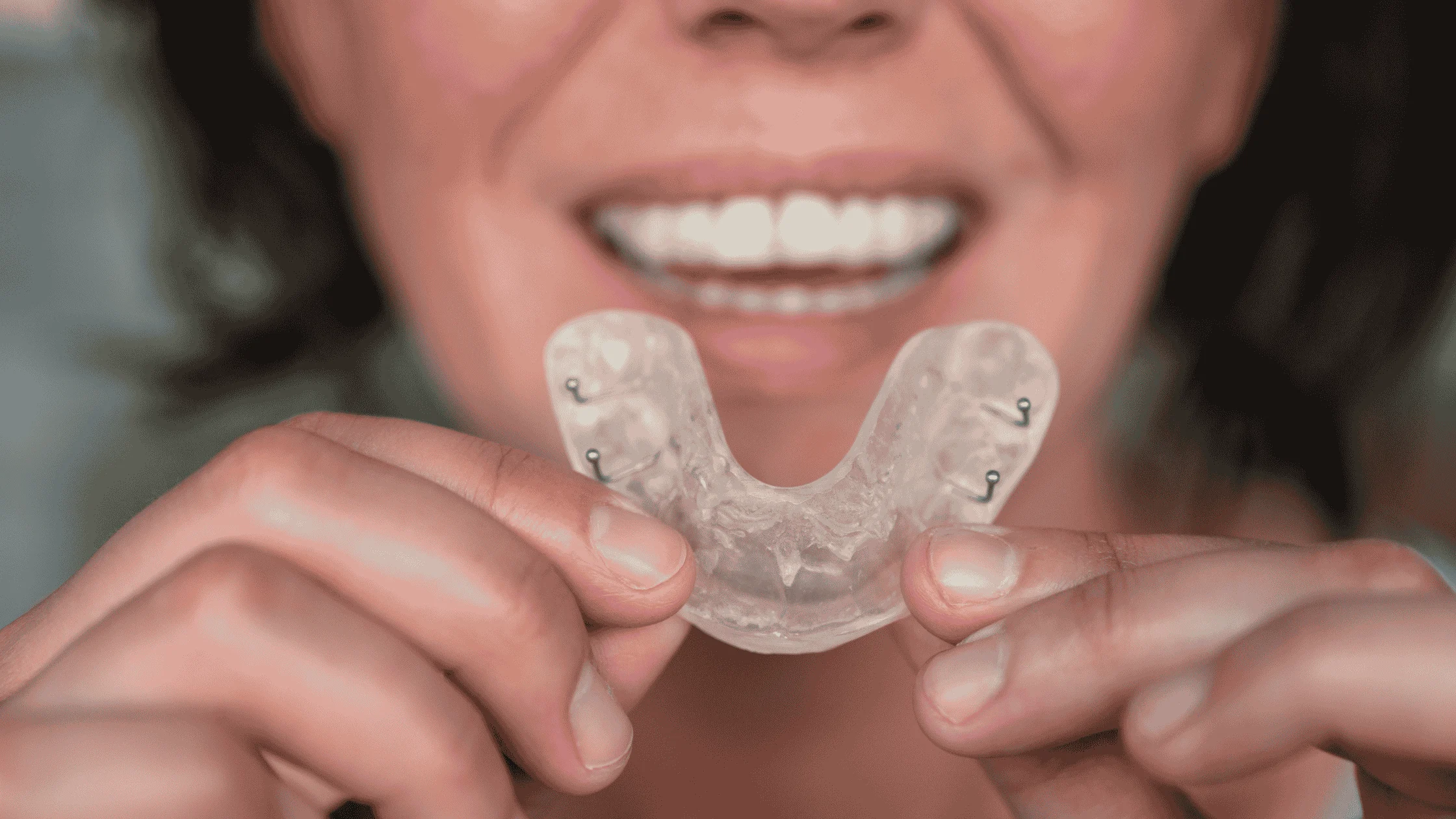
Teeth grinding, also called bruxism, puts strong pressure on your implant. This force can loosen parts of the restoration or damage the crown over time.
If you grind your teeth at night, ask your dentist about a night guard. A custom night guard cushions your bite and reduces stress on the implant post.
Watch for signs of grinding:
- Jaw pain in the morning
- Worn or chipped teeth
- Headaches after sleep
Do not ignore these signs. Constant pressure can affect implant stability, especially in the first months after placement. Protecting your bite helps your implant stay secure for years.
Regular Dental Check-Ups and Maintenance
You should visit your dentist every six months, or as advised. Regular exams allow your dentist to check your gums, bone levels, and the condition of the crown.
Professional cleanings remove plaque and tartar that brushing may miss. This step protects the tissue around the implant post and supports long-term oral health.
Your dentist may take X-rays to check bone support. Early detection of bone loss or inflammation makes treatment easier and helps preserve dental implant longevity.
Keep all scheduled visits. Routine care plays a direct role in keeping your implant stable and functional.
Choosing the Right Tooth Replacement for Long-Term Success
You want a tooth replacement that feels stable, looks natural, and lasts for many years. The main choices (removable dentures and dental implants) differ in comfort, function, and long-term results.
Dental Implants vs. Removable Dentures
When you compare removable dentures and dental implants, the biggest difference is how they stay in place. Dentures rest on your gums. You remove them at night and clean them outside your mouth.
Dental implants work in a different way. A small post sits in your jawbone and acts like a tooth root. A crown attaches on top. You brush and floss it like a natural tooth.
Most dental implants last 10 to 30 years with proper care, and studies show a high success rate over 10 years.
Dentures often cost less at first. But they may need relining or replacement as your jaw changes shape over time.
If you want a fixed option that does not move while you eat or speak, implants often provide better long-term value.
Implant Stability Compared to Other Options
Implant stability matters because it affects how well you chew and speak. A dental implant bonds with your jawbone through a process called osseointegration. This creates a firm base that supports daily bite pressure.
Other tooth replacement options, such as bridges or dentures, do not fuse with bone. Dentures can shift when you eat hard or sticky foods. Bridges rely on nearby teeth for support.
Routine dental visits help protect implant stability and gum health, which directly affects how long implants last.
You should also think about bone health. Implants help stimulate the jawbone, while removable dentures do not. Over time, this difference can affect how your face and bite feel.
Choosing the right dental implant or alternative depends on your bone level, health history, and daily habits. A careful exam helps you decide which option supports lasting function.
Frequently Asked Questions
Dental implants can last decades, but their lifespan depends on healing, daily care, and your health habits. You also need to understand timing, crown replacement, risks, and how age affects long-term success.
What factors can make a dental implant fail sooner than expected?
Poor oral hygiene is one of the top reasons implants fail. If you do not brush and floss daily, bacteria can infect the gum and bone around the implant. This condition is called peri-implantitis.
Heavy smoking also raises your risk. Smoking reduces blood flow to your gums and slows healing.
Uncontrolled diabetes, severe teeth grinding, and skipped dental visits can also shorten the life of an implant. Even a well-placed implant needs healthy bone and steady care to last.
How long does it usually take for a dental implant to fully heal and fuse with the bone?
Most implants take about 3 to 6 months to fully fuse with the jawbone. This process is called osseointegration.
Your healing time depends on your bone quality and overall health. If you need a bone graft, healing can take longer.
In many cases, you can return to normal daily activities within a day or two after surgery. Full bonding to the bone just takes patience.
How long do implant-supported crowns typically last before they need to be replaced?
The titanium implant post can last decades. The crown on top usually needs replacement sooner.
Most implant crowns last about 15 to 20 years with normal use. Some dental offices explain that while implants can be a lifelong investment, the crown may need replacement after 10 to 15 years due to wear.
Replacing the crown does not mean the implant failed. Your dentist simply removes the worn crown and attaches a new one.
What are the most common disadvantages or downsides of dental implants?
Cost is the biggest downside for many people. Implants often cost more upfront than bridges or dentures.
The process also takes time. You may need several months from placement to final crown.
Surgery always carries small risks such as infection, swelling, or implant failure. While success rates are high, usually around 95 to 98 percent.
Is getting dental implants at 25 a good idea, and does age affect long-term results?
If your jaw has fully developed, getting an implant at 25 can be a good long-term choice. Younger patients often heal well and maintain strong bone support.
Age alone does not lower success rates. Many experts note that age does not directly affect outcomes when you are healthy.
Your overall health and habits matter more than your age. A healthy 70-year-old may have better results than a 30-year-old who smokes heavily and skips cleanings.
How long does the full dental implant procedure take from start to finish?
The full process often takes 4 to 8 months. This includes evaluation, implant placement, healing, and crown placement.
If you need a bone graft or sinus lift, the timeline can extend several more months. Each step needs time for proper healing.
Many dentists explain that implants are designed to last decades when placed correctly and cared for well. Taking the time to complete each phase carefully helps support those long-term results.