

When you lose teeth, picking the right replacement affects your wallet, your health, and your daily life for years to come.
Dental implants are usually the better long-term investment because they last longer, protect your jawbone, and need less maintenance than dentures, even though they cost more upfront.
That said, dentures work well for some people and cost less at first.
Understanding the real differences helps you make a choice that fits your situation. The price tag is just one part of the story. You also need to think about how each option affects your ability to eat, speak, and feel confident.
This guide breaks down what you need to know about dental implants versus dentures for long-term oral health. You’ll learn about actual costs over time, how each option works, and which choice makes sense for your needs.
Key Takeaways
- Dental implants cost more initially but often save money over time because they last longer and need fewer replacements
- Implants preserve your jawbone and feel more natural while dentures require regular adjustments and eventual replacement
- Your choice depends on your budget, bone health, and whether you want a permanent solution or a removable option
Schedule your dental implant consultation in Blaine, WA at Borderview Family Dental today.
Dental Implants vs. Dentures: Key Differences for Long-Term Value
Dental implants and dentures take very different approaches to tooth replacement, which affects everything from daily comfort to how well your jawbone stays healthy over time.
The choice between these options impacts not just your initial costs but also how much maintenance you’ll need and how long your solution will last.
Core Differences in Tooth Replacement Options
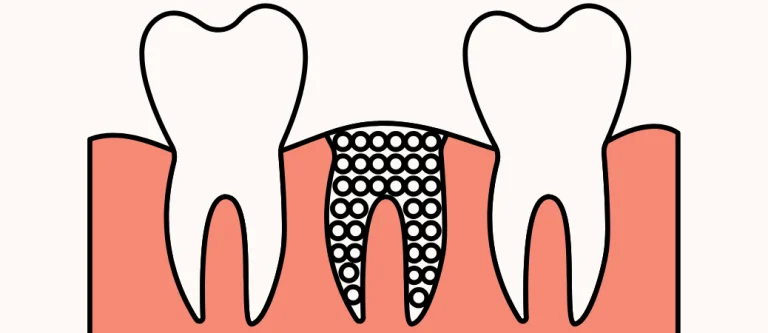
Dental implants are small titanium posts placed into your jawbone through surgery. They act like artificial tooth roots and fuse with your bone over several months.
Once healed, crowns or bridges attach to these implants to create a permanent tooth replacement.
Dentures work completely differently. They sit on top of your gums and stay in place through suction, dental adhesives, or metal clasps. You can remove them for cleaning and sleeping.
Traditional dentures don’t require surgery, which makes them a quicker, lower-cost option compared to implants.
Key structural differences include:
- Installation method – Implants require surgical placement into bone, while dentures simply rest on gum tissue
- Stability – Implants stay firmly in place, but dentures may slip when eating or talking
- Removability – Dentures come out daily for cleaning, while implants are permanent fixtures
- Time to complete – Dentures can be ready in weeks, but implants may take several months to fully heal
How Each Solution Impacts Oral Health
Your choice between dental implants vs dentures has major effects on your long-term oral health. Implants stimulate your jawbone just like natural tooth roots do. This prevents bone loss and helps maintain your facial structure over time.
Dentures don’t provide this bone stimulation. Without it, your jawbone gradually shrinks. This process can change the shape of your face and make your dentures fit poorly over time, requiring adjustments or replacements every few years.
Implants also make it easier to keep your mouth clean. You brush and floss them like regular teeth. Dentures need special cleaning routines and must be removed daily, which some people find inconvenient.
Comparison of Longevity and Durability
Dental implants offer a long-term tooth replacement option, often lasting over 25 years. With proper care, the implant posts themselves can last a lifetime. The crowns attached to them typically need replacement every 10 to 15 years due to normal wear.
Dentures have a shorter lifespan. Most need replacement every 5 to 8 years as your jawbone changes shape. You’ll also need regular adjustments called relines to maintain a good fit.
| Feature | Dental Implants | Dentures |
| Average Lifespan | 25+ years (posts can last lifetime) | 5-8 years |
| Maintenance Needs | Brush and floss like natural teeth | Daily removal, special cleaning, regular relines |
| Replacement Frequency | Crowns every 10-15 years | Full replacement every 5-8 years |
| Bone Preservation | Yes, prevents bone loss | No, bone shrinks over time |
The durability and reduced maintenance of implants often makes them more cost-effective despite higher upfront costs.
Looking for expert guidance on dentures in Blaine, WA? Contact Borderview Family Dental now.
How Dental Implants Work
Dental implants replace missing teeth through a surgical process that anchors a titanium post into your jawbone, which then fuses with the bone over several months before a crown is attached.
The success of this process depends on having adequate jawbone density and allowing proper healing time for osseointegration to occur.
Implant Placement and Osseointegration Explained
When you get a dental implant, your dentist surgically places a titanium post into your jawbone where your natural tooth root used to be. This post acts as an artificial root that will support your new tooth.
After implant placement, a process called osseointegration begins. This is when your jawbone actually grows around the titanium post and fuses with it. The process typically takes 3 to 6 months to complete.
Osseointegration is what makes dental implants so stable and long-lasting. Your bone treats the titanium as part of your body and bonds with it naturally.
This fusion creates a strong foundation that can handle the same pressure as your natural teeth when you chew and bite.
During this healing time, you may need to stick to softer foods. Your dentist will monitor your progress to make sure the implant is integrating properly before moving to the next step.
Understanding the Dental Implant Procedure
The implant procedure usually happens in multiple stages over several months. First, your dentist uses 3D imaging to plan exactly where to place your implant and check your jawbone health.
During oral surgery, the dentist makes a small cut in your gum and drills a hole into your jawbone. They insert the titanium post and stitch your gum closed over it. You’ll heal for several months while osseointegration occurs.
Once the post has fused with your bone, you return for a second minor procedure. Your dentist reopens the gum and attaches a small connector piece called an abutment to the post.
After your gums heal around the abutment, they take impressions to create your custom crown.
The final step involves attaching the crown to the abutment. For a single tooth implant, this completes the process.
The entire implant dentistry process can take up to a year from start to finish, but the result is a tooth that looks and functions like your natural teeth.
Bone Grafting and Jawbone Density Requirements
You need sufficient jawbone density for implants to succeed. If you’ve been missing teeth for a long time, your jawbone may have deteriorated because there were no tooth roots to stimulate it.
When your jawbone isn’t thick or tall enough, you’ll need a dental bone graft before getting implants. During this procedure, your dentist adds bone material to your jaw to build it up.
The graft material can come from your own body, a donor, or synthetic sources.
After bone grafting, you must wait 3 to 6 months for the new bone to integrate before implant placement can occur. Your dentist uses 3D imaging to measure your jawbone and determine if grafting is necessary.
Some patients also need a sinus lift if they’re getting implants in their upper jaw and don’t have enough bone height below the sinus cavity.
Book your personalized tooth replacement consultation today.
Understanding Modern Denture Solutions
Today’s dentures come in several forms that vary in how they attach to your mouth and how much of your natural tooth structure they replace.
The fit and daily care requirements differ significantly between denture types, and understanding these differences helps you choose the right option for your lifestyle.
Types of Dentures: Complete, Partial, and Overdentures
Complete dentures replace all teeth in your upper or lower jaw. They rest directly on your gum tissue and rely on suction to stay in place.
Partial dentures fill gaps when you still have some healthy natural teeth remaining. Metal clasps or precision attachments hook onto your existing teeth to keep the partial denture secure.
These removable dentures let you take them out for cleaning and sleeping.
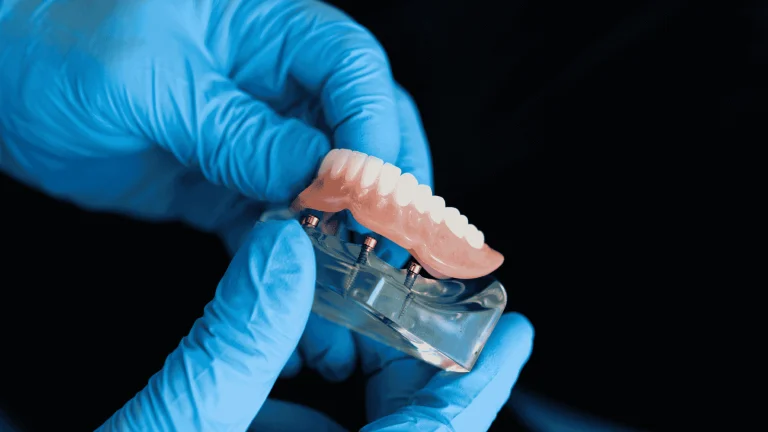
Overdentures snap onto dental implants or remaining tooth roots. They offer much better stability than traditional removable dentures because they connect to anchors in your jawbone.
Immediate dentures are placed right after tooth extraction. Your dentist creates these dentures before removing your teeth so you never go without teeth.
However, your gums and bone change shape during healing, so immediate denture solutions require frequent adjustments in the first few months.
Fit, Stability, and Oral Hygiene Needs
Your dentures need to fit snugly against your gums to work properly. Poor fit causes sore spots, difficulty chewing, and embarrassing slipping when you talk or eat.
Your jawbone shrinks over time when you wear traditional dentures. This bone loss means your dentures become loose and require relining every few years. Some patients need completely new dentures every 5 to 7 years.
You must remove your dentures daily to clean both the appliance and your mouth. Brush your dentures with a soft brush and non-abrasive cleaner. Never use regular toothpaste because it scratches the surface.
Your oral hygiene routine should include gently brushing your gums, tongue, and palate with a soft toothbrush before inserting your dentures each morning. This stimulates circulation and removes bacteria.
Role of Denture Adhesives and Daily Care
Denture adhesives help secure loose-fitting dentures and boost your confidence during meals and conversations. You apply a small amount of cream or powder to the clean, dry denture surface before inserting it.
However, denture adhesives should not replace proper fit. If you need adhesive every day just to keep your dentures in place, schedule an appointment with your dentist to check the fit.
Your daily care routine includes removing dentures at night to let your gums rest. Soak them in a denture cleaning solution overnight to prevent warping and bacterial growth. Rinse thoroughly before putting them back in your mouth the next morning.
Clean dentures prevent bad breath and gum irritation. Food particles trapped under dentures cause inflammation and discomfort if not removed daily.
Cost Analysis: Initial Investment vs. Long-Term Expenses
The price difference between dentures and implants looks significant at first, but the real story emerges when you calculate costs over 10, 15, or 25 years.
Dentures require constant replacements and maintenance that add up quickly, while implants function more like a one-time investment with minimal ongoing expenses.
Dentures Cost vs. Implant Cost Breakdown
Basic dentures for both upper and lower arches typically range from $1,200 to $3,000 total. Mid-range options cost $3,000 to $7,000, while premium dentures run $7,000 to $15,000.
If you need tooth extractions first, add $150 to $400 per tooth. Many patients also need immediate dentures before healing completes, which adds another $1,000 to $3,000.
All-on-4 solutions cost $18,000 to $25,000 per arch. This includes four implants supporting a full set of permanent teeth. You often get temporary teeth the same day.
Individual implants for a full mouth run $35,000 to $85,000. Implant-supported dentures offer a middle ground at $8,000 to $15,000 per arch, using 2-4 implants with a removable denture that snaps into place.
A dental bridge costs $3,000 to $5,000 per tooth but requires grinding down healthy adjacent teeth.
Hidden and Ongoing Maintenance Expenses
Dentures aren’t a one-time purchase. You’ll need soft relines every 1-2 years at $200 to $400 per arch. Hard relines every 2-3 years cost $400 to $600 per arch.
Complete denture replacements happen every 5-7 years at $2,000 to $8,000 each time. Over 25 years, expect 3-4 replacements totaling $8,000 to $32,000.
Daily maintenance adds up too. Denture adhesive costs $200 to $400 yearly. Cleaning tablets and solutions run $150 to $300 annually. These small expenses total $15,000 to $30,000 over 25 years.
Bone loss creates another major cost. When you lose teeth, your jawbone shrinks because it lacks tooth roots for stimulation. You lose about 25% of bone width in the first year.
This leads to bone grafting at $1,500 to $5,000 per area and more frequent adjustments.
Implants preserve your bone structure, eliminating these expenses entirely.
Insurance, Financing, and Value Over Time
Most dental insurance covers 50-80% of dentures cost because they’re considered basic care. However, you’ll file claims repeatedly for replacements every few years.
Insurance coverage for implants has improved. Many plans now cover 50% of implant costs. Some offer “alternative benefit” provisions that apply denture coverage toward implants instead.
Dental implants total around $55,000 to $67,500 over 25 years, including one prosthetic replacement. Traditional dentures cost $60,000 to $85,000 over the same period when you include all replacements and complications.
Financing makes the switch from dentures to implants manageable. All-on-4 treatment at $45,000 breaks down to $625 to $750 monthly over 60-72 months.
Compare that to the $300 to $500 you’d spend monthly on denture-related expenses over 25 years.
You can use HSA or FSA funds for the entire implant cost, giving you tax advantages.
Health, Functionality, and Lifestyle Impacts
The choice between dental implants and dentures affects more than just your smile. Your ability to eat comfortably, maintain jawbone health, and feel confident in social situations can change significantly based on which option you choose.
Chewing Ability and Efficiency Compared

Dentures typically restore only 20-30% of your natural bite strength. This limitation means you’ll likely struggle with tougher foods like steak, apples, and raw vegetables.
Many denture wearers gradually adjust their diets out of necessity rather than choice. You might find yourself avoiding certain foods at restaurants or family gatherings.
Dental implants restore up to 90% of natural bite strength. This dramatic difference in chewing efficiency allows you to eat almost anything you want without worry.
The improved chewing ability with implants also supports better nutrition. When you can eat a wider variety of foods, you’re more likely to maintain a balanced diet that includes fresh fruits, vegetables, and proteins.
Bone Loss and Facial Structure Changes
Your jawbone needs stimulation from tooth roots to maintain its density and volume. When you lose teeth, bone resorption begins immediately.
Dentures sit on top of your gums and provide no stimulation to the underlying bone. This leads to ongoing bone loss that changes your facial structure over time.
As bone resorbs, your face may develop a sunken appearance. Your dentures will also loosen as your jawbone shrinks, requiring frequent adjustments or replacements.
Dental implants act like natural tooth roots. They stimulate your jawbone through normal chewing and biting, which helps prevent bone loss.
This preservation of jawbone health maintains your facial contours and provides stable support for your replacement teeth. The benefits of dental implants extend far beyond just replacing missing teeth.
Comfort, Confidence, and Quality of Life
Dentures can slip, click, or move while you’re speaking or eating. This unpredictability often creates anxiety in social situations.
You might worry about your dentures falling out during important meetings or meals with friends. Many denture wearers become self-conscious about their speech and smile.
Implants are fixed in place and feel like your natural teeth. You won’t experience movement, clicking sounds, or the fear of embarrassment in public.
Quality of life improvements with implants include speaking naturally, laughing freely, and eating confidently in any setting. Many patients report they forget they even have implants because they feel so natural.
The psychological impact of stable, secure teeth shouldn’t be underestimated. Your confidence in professional and social situations can improve dramatically when you’re not constantly thinking about your teeth.
Who Should Choose Dental Implants or Dentures?
Your specific health conditions, bone density, and lifestyle needs determine which tooth replacement option works best for you. Both solutions require different levels of commitment and offer distinct advantages depending on your situation.
Candidacy Requirements and Health Considerations
Your jawbone density plays a major role in whether you can get dental implants. The implant screw needs enough bone to fuse properly, so people with significant bone loss may need a bone graft first. This adds time and cost to the process.
Health factors that affect candidacy include:
- Uncontrolled diabetes
- Active gum disease
- Heavy smoking or tobacco use
- Certain medications like bisphosphonates
- Radiation therapy to the head or neck
- Immune system disorders
Your oral health must be in good condition before getting implants. Active infections or gum disease increase the risk of implant failure. You need to commit to proper implant care including regular brushing, flossing, and dental visits.
The American Dental Association recommends consulting with your dentist about your complete medical history. Some conditions don’t rule out implants entirely but require extra precautions.
Age alone isn’t usually a barrier since healthy older adults can successfully get implants.
When Dentures Are the Preferred Option
Dentures work well when you have multiple missing teeth and want an affordable solution right away. They’re ideal if you can’t have surgery due to health problems or if your jawbone isn’t strong enough for implants.
You might prefer dentures if you need teeth replaced quickly. The process takes weeks instead of months. Dentures don’t require surgery, making them safer for people with bleeding disorders or heart conditions.
Dentures are often best for:
- People on fixed budgets who need immediate results
- Those with severe bone loss who want to avoid grafting
- Patients who cannot undergo surgical procedures
- Anyone seeking a reversible tooth replacement option
Your insurance is more likely to cover at least part of denture costs. Many dental plans provide better coverage for dentures than for individual implants.
When Dental Implants Are the Ideal Solution
Implants are ideal when you want a permanent solution that protects your jawbone health. They work best if you have good bone density and healthy gums.
You should choose implants if you’re willing to invest more upfront for better long-term results.
You’re a good candidate for implants if you want to eat all types of food without worry. Individual implants let you bite with nearly the same force as natural teeth. They don’t slip or click when you talk or laugh.
Consider implants if you:
- Want to prevent bone loss in your jaw
- Need to replace one or a few missing teeth
- Don’t want removable appliances
- Can commit to several months of treatment
Your lifestyle matters too. Active people often prefer implants because they stay secure during exercise and sports. If you value convenience, implants require less daily maintenance than dentures since you care for them like regular teeth.
Frequently Asked Questions
Patients often want to know how daily life changes with each option, what hidden costs might emerge, and whether appearance holds up over time. These questions help clarify the practical differences between implants and dentures.
What factors should I consider when choosing between dental implants and dentures for long-term tooth replacement?
Your bone health plays a big role in which option works best. If you’ve already lost significant jawbone volume, you may need grafting before implants or consider specialized options like zygomatic implants for severe bone loss.
Your overall health matters too. Conditions like uncontrolled diabetes or heavy smoking can reduce implant success rates. Your dentist will evaluate these factors during planning.
Think about your daily routine and comfort preferences. Implants stay fixed in place and don’t require removal for cleaning. Dentures come out each day for maintenance and overnight storage.
Budget is another key consideration. Dentures cost less up front but need regular adjustments and eventual replacement. Implants require a larger initial investment but typically last much longer with proper care.
How do the costs of maintaining dental implants compare with those of dentures over the years?
Implants need daily cleaning around the posts and regular dental checkups to monitor tissue health. These visits are similar to normal dental exams and don’t usually add major expenses beyond your routine care.
Dentures require relining every few years as your jawbone changes shape. A full denture typically needs replacement every 5 to 8 years because of material wear and continued bone changes. These recurring costs add up over time.
The adhesives, cleansers, and storage solutions for dentures create ongoing monthly expenses. Implants don’t need any special products beyond regular toothpaste and floss.
When you calculate the cost differences between dental implants and dentures over 20 or 30 years, implants often become more economical. The higher starting price spreads out over decades without major replacement costs.
Can you explain the differences in comfort and functionality between dental implants and dentures for daily activities?
Implants function like natural teeth because they’re anchored directly into your jawbone. You can bite into firm foods like apples or steak without worrying about movement or slipping.
Traditional dentures sit on your gums and can shift during eating or speaking. Many people avoid certain foods because their dentures feel unstable.
Comparing long-term comfort between full-mouth dental implants and dentures shows that implants provide more predictable function over time.
Denture wearers often experience sore spots where the appliance rubs against soft tissue. These pressure points require adjustments and can make eating uncomfortable. Implants eliminate this problem because there’s no plastic base pressing on your gums.
Speaking feels more natural with implants. Dentures can affect pronunciation and sometimes click or make noise. You won’t face these issues with permanently fixed implants.
What are the long-term oral health benefits of choosing dental implants instead of dentures?
Implants help preserve your jawbone by stimulating it with chewing forces, similar to natural tooth roots. This prevents the bone shrinkage that normally happens after tooth loss.
Dentures don’t provide this stimulation because they rest on soft tissue. Your jawbone continues to shrink over the years, which changes your facial structure and makes dentures fit poorly.
Understanding how dental implants prevent jawbone loss helps explain why they protect your oral structure better.
Your face maintains its natural shape and proportions with implants. Bone loss from dentures can create a sunken appearance and make you look older as your jaw shrinks.
Implants don’t affect neighboring teeth. Partial dentures often use clasps that can damage adjacent healthy teeth over time through pressure and movement.
How often will I need to replace dentures versus dental implants, and how does that affect their overall value?
Full dentures typically last 5 to 8 years before they need complete replacement. The acrylic base wears down, artificial teeth become flat from chewing, and ongoing bone changes make the fit unacceptable.
Implants can last many decades or even a lifetime with proper care. The crown on top might need replacement after 10 to 15 years due to normal wear, but the implant post itself usually stays functional indefinitely.
Each denture replacement requires new impressions, fittings, and an adjustment period. These repeated cycles mean more dental visits and time adapting to new appliances every several years.
Comparing the longevity of dental implants and dentures shows that implants eliminate the frustration of ongoing replacements. You make one major investment and avoid the cycle of temporary solutions.
In terms of aesthetics, how do dental implants and dentures differ over an extended period?
Implants look natural because each tooth emerges from your gumline individually. The custom crowns match your natural tooth color and shape. This appearance stays consistent for years.
Dentures can look artificial because of the pink acrylic base and uniform tooth arrangement. As your bone shrinks beneath them, gaps appear between the denture and your gums. This creates visible spaces and an aged look.
Your facial proportions stay stable with implants because the bone support remains. Denture wearers often develop thin lips, deeper wrinkles around the mouth, and a collapsed lower face as bone loss progresses.
The gum tissue around implants looks healthy and natural. Zirconia implants offer tooth-colored posts that won’t show through thin gum tissue, making them ideal for visible front teeth.
Dentures can show their base material when you smile or talk, especially as fit deteriorates over time.