

You want to protect your teeth, but you may wonder if dental sealants are really worth it. Cavities often start in the deep grooves of your molars and premolars, where brushing does not always reach.
Sealants add a thin layer over those areas to lower your risk of tooth decay.
Yes, dental sealants are worth it for many children and adults because they can greatly reduce cavities in back teeth that are hard to clean.
The CDC reports that sealants can prevent 80% of cavities in molars over two years, where most decay happens, according to these CDC dental sealant facts.
You will learn how sealants work, who benefits most, and what to expect during the process. With clear facts and simple guidance, you can decide if this step makes sense for your cavity prevention plan.
Key Takeaways
- Dental sealants protect molars and premolars by sealing deep grooves where decay often starts.
- Both children and adults with cavity risk can benefit from sealants.
- Regular dental visits help keep sealants in good shape and effective.
How Dental Sealants Work to Prevent Cavities
Dental sealants protect the parts of your teeth that are hardest to clean. They block germs and food from settling into tight spaces on your back teeth, which lowers your risk of tooth decay.
Sealants as a Protective Barrier
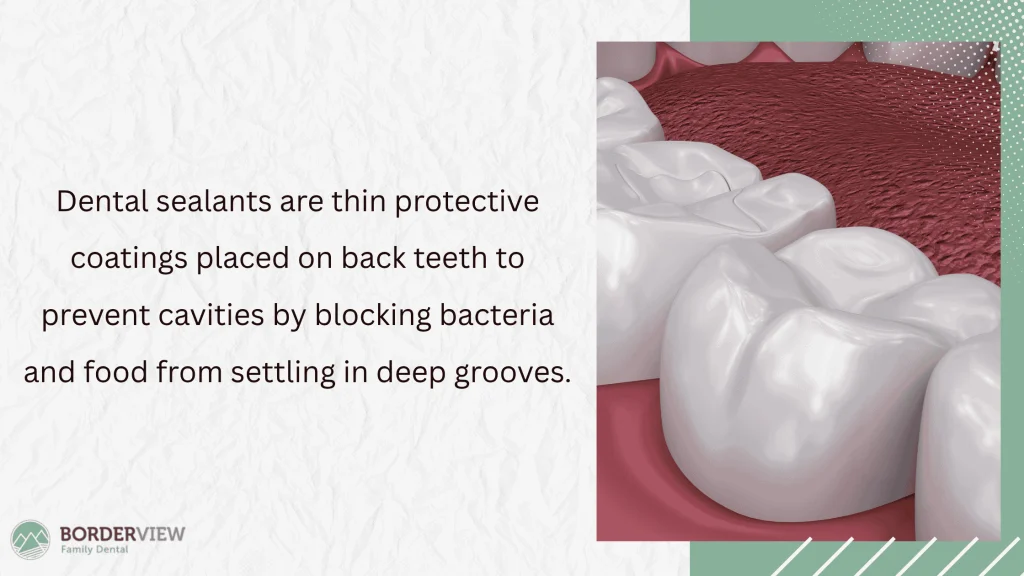
Dental sealants are thin coatings that your dentist paints onto the chewing surfaces of your molars and premolars. These are the flat tops of your back teeth where most cavities form.
The sealant bonds to the enamel and forms a smooth layer over the tooth. This layer acts as a shield. It keeps bacteria, plaque, and food particles from getting into small spaces that your toothbrush may miss.
According to the CDC’s page on dental sealants and cavity prevention, sealants can prevent up to 80% of cavities in the first two years after placement. They continue to lower cavity risk for several more years.
The process is simple. Your dentist cleans and dries the tooth, applies the liquid sealant, and hardens it with a special light or lets it set on its own. You can eat and drink normally right after the visit.
Why Back Teeth Are Most at Risk
Your back teeth do most of the heavy chewing. Molars and premolars crush and grind food, which pushes small food pieces into tiny spaces on their surfaces.
These teeth sit farther back in your mouth. That makes them harder for you to see and clean well. Even if you brush twice a day, your toothbrush bristles may not reach every corner.
Children should get sealants when their permanent molars come in, usually around ages 6 and 12, because these teeth face the highest risk during the cavity-prone years of 6 to 14.
Without protection, back teeth are much more likely to develop tooth decay than front teeth. Sealants focus on these high-risk areas.
Role of Deep Pits and Grooves in Tooth Decay
The chewing surfaces of molars and premolars are not flat. They contain pits and grooves, also called deep tooth grooves.
Some grooves are narrow and deep. Toothbrush bristles often cannot reach the bottom of these spaces. When plaque and food collect there, bacteria produce acids that attack the enamel.
Research published in the Journal of the American Dental Association notes that most cavities form on the chewing surfaces of permanent molars because deep pits and grooves trap plaque.
Dental sealants fill in these deep grooves with a smooth coating. This makes the surface easier to clean and removes the hiding spots where tooth decay often begins.
The Benefits of Dental Sealants for Children and Adults
Dental sealants help you prevent cavities by covering the deep grooves on back teeth. They support strong oral hygiene habits and reduce the need for future dental treatment.

Key Advantages for Kids and Teens
Children and teens face a high risk of cavities, especially when their adult molars first come in. Dentists often apply tooth sealants around ages 6 and 12, soon after these molars erupt.
According to the CDC’s overview of dental sealants, sealants can prevent up to 80% of cavities in molars during the first two years. They also keep protecting teeth for several more years.
Sealants work well because they:
- Block food and bacteria from getting trapped in deep grooves
- Support daily brushing and flossing
- Lower the chance of fillings at a young age
If your child has no sealants, they are almost three times more likely to get cavities in their molars. Adding sealant use to routine dental visits gives your child extra protection during the years when decay is most common.
Sealants for Adults With Cavity Risk
You may think dental sealants are only for kids, but adults can benefit too. If you have deep grooves in your molars or a history of decay, sealants for adults can add another layer of cavity prevention.
Adults without fillings or active decay in their molars often qualify.
Sealants for adults may help if you:
- Get cavities often
- Struggle to clean back teeth well
- Want to avoid future dental work
This simple step supports preventive dentistry. During a routine dental visit, your dentist can check if your molars are good candidates.
Impact on Long-Term Oral Health
Tooth sealants protect teeth for years, especially when you combine them with brushing, flossing, and regular checkups. They reduce the risk of decay in the most cavity-prone areas of your mouth.
Preventing cavities early helps you avoid fillings, crowns, and more complex treatment later. It also lowers long-term dental costs and keeps more of your natural tooth structure intact.
Sealants do not replace good oral hygiene. You still need daily care and routine dental visits.
When you use sealants as part of a full preventive dentistry plan, you strengthen your defense against tooth decay at every age.
Sealant Materials and the Application Process
You protect your teeth best when you understand what goes on them and how your dentist places them. The type of sealant materials and the sealant process both affect how long your tooth sealants last and how well they block decay.
Types of Dental Sealant Materials
Dentists use a few main types of sealant materials. Most are resin-based plastics that flow into the deep grooves of your molars and form a thin protective coating.
Resin sealants bond tightly to enamel. They work best when your tooth stays dry during sealant application. These are common in dental offices because they hold up well and blend with your natural tooth color.
Some dentists use glass ionomer sealants. These release small amounts of fluoride, which can help protect your tooth surface. They work better than resin when it is hard to keep the area fully dry, such as with young children.
Here is a simple comparison:
| Material Type | Main Benefit | Best Used When |
| Resin-based sealant | Strong bond and long wear | Tooth can stay dry |
| Glass ionomer | Releases fluoride | Moisture control is difficult |
Your dentist chooses the material based on your age, cavity risk, and how easy it is to control moisture during the sealant process.
Steps of Sealant Application
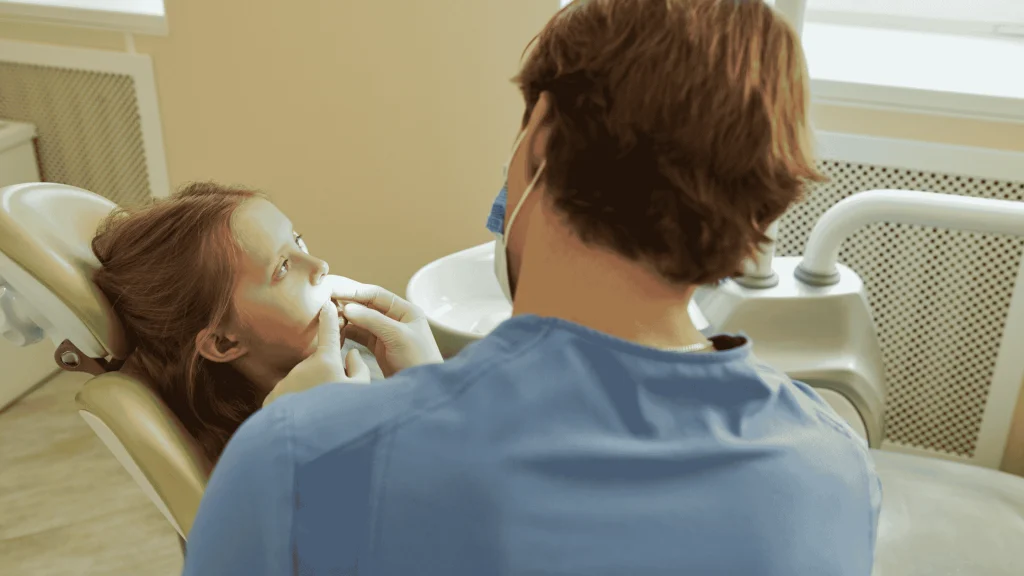
The sealant application is simple and does not involve drilling or shots. You stay awake and feel little to no discomfort.
First, your dentist cleans the tooth. They remove plaque and food from the chewing surface so the sealant can stick well.
Next, they dry the tooth and place a mild acidic gel on the enamel. This step roughens the surface slightly. It helps the sealant bond to your tooth.
After rinsing and drying again, the dentist paints the liquid sealant onto the grooves of your molars and premolars. The material flows into pits and fissures and forms a barrier against germs and food.
The whole visit often takes only a few minutes per tooth. You can usually eat and drink soon after.
Curing and Hardening With Light
Many resin sealants need a special curing light to harden. This blue light triggers a chemical reaction that turns the liquid into a solid shield.
Your dentist shines the curing light directly on the tooth for several seconds. You may see a bright glow, but you will not feel heat or pain.
Once cured, the sealant becomes a firm coating that seals deep grooves. This hardened layer blocks cavity-causing bacteria from settling into hard-to-clean areas.
Some materials can harden on their own without a light. Your dentist checks your bite after curing to make sure the sealant feels smooth and does not interfere when you chew.
Maintaining and Monitoring Dental Sealants
Dental sealants can protect your molars for years, but they need simple care and regular checks. You keep them working well with daily oral hygiene and routine dental visits.
How Long Sealants Last
Dental sealants often last several years. Many stay in place up to 5 to 10 years with proper care.
Their lifespan depends on sealant use, chewing habits, and oral hygiene. Hard foods, teeth grinding, and poor brushing can wear them down faster.
Sealants protect the deep grooves of your back teeth. The CDC reports that sealants can prevent most cavities in molars during the first few years after placement.
School-age children without sealants have almost three times more cavities in first molars than those with them.
Your dentist checks the sealants at each dental exam. If one chips or falls off, your dentist can repair or replace it quickly.
Caring for Teeth With Sealants
You still need daily brushing and flossing. Dental sealants protect the chewing surfaces, but they do not cover the sides of your teeth or the spaces between them.
Brush twice a day with fluoride toothpaste. Fluoride helps strengthen enamel and supports cavity prevention around the sealant edges.
Floss once a day to clean between teeth. Food and plaque can build up in those areas, even when sealants are in place.
Follow these basic steps:
- Brush for two minutes each time
- Use a soft-bristled toothbrush
- Limit sugary snacks and drinks
- Avoid chewing ice or hard candy
Sealants work best as part of a full oral hygiene routine, not as a replacement for it.
Regular Dental Check-Ups and Exams
Schedule a routine dental visit every six months, or as your dentist recommends. Regular dental check-ups allow your dentist to monitor the condition of your dental sealants.
During a dental exam, your dentist looks for:
- Cracks or worn spots
- Areas where the sealant has lifted
- Early signs of decay around the edges
If a sealant shows damage, your dentist can fix it during the same visit. The process is simple and does not usually require drilling or numbing.
These exams also give you a chance to review your brushing and flossing habits. Your dentist may suggest small changes that improve your oral hygiene and help your sealants last longer.
Who Should Consider Dental Sealants?
Dental sealants work best for people whose back teeth trap food and bacteria. If your molars and premolars have deep grooves or you face a higher risk of tooth decay, you may benefit from this simple step in preventive dentistry.
Children at Highest Risk for Cavities
Children ages 6 to 11 often benefit the most. Your child’s first and second molars come in around ages 6 and 12, and these teeth have deep grooves that are hard to clean.
Dental sealants are thin coatings painted on the chewing surfaces of these teeth. They block food and bacteria from settling into small pits where brushing may miss.
According to the CDC’s page on how dental sealants protect against cavities, children without sealants are almost three times more likely to get cavities in their molars. Sealants can prevent up to 80% of cavities in the first two years after placement.
You should also think about sealants if your child:
- Has already had tooth decay
- Snacks often on sugary foods
- Does not get regular fluoride treatments
- Has limited access to dental care
Sealants add protection, but your child still needs daily brushing with fluoride toothpaste and regular dental visits.
Adults With Deep Tooth Grooves
Sealants are not just for kids. You may benefit from sealants for adults if your molars and premolars have deep grooves and no fillings or decay.
Some adults never had sealants placed as children. If your back teeth are healthy but hard to clean, a dentist may suggest sealants as part of preventive dentistry.
Sealants do not replace fluoride or good brushing. They protect specific areas of the tooth surface. If you already have fillings or large areas of decay, sealants will not help those teeth.
You may want to ask about sealants if you:
- Have a history of cavities
- Notice staining in the grooves of your molars
- Struggle to clean back teeth well
A dental exam will confirm if your tooth enamel is strong enough for sealant placement.
Special Considerations and Exceptions
Not every tooth needs a sealant. If your molars have shallow grooves and you keep them clean, you may not gain much extra benefit.
Dentists also avoid placing sealants on teeth with untreated tooth decay. In some cases, they may seal over very early decay, but only after careful review.
Very young children can receive sealants on baby teeth if those teeth have deep grooves and a high risk of cavities. The CDC notes that sealants can be used on both baby and adult teeth when needed.
If you receive strong fluoride exposure through water, toothpaste, and treatments, you still may need sealants. Fluoride strengthens enamel, while sealants cover the grooves. They work in different ways to lower your risk of tooth decay.
Frequently Asked Questions
You want clear facts about how well sealants work, who should get them, how long they last, and what they cost. These answers focus on cavity prevention, safety, and real-world use for both kids and adults.
Do dental sealants really prevent cavities in kids?
Yes, sealants can lower your child’s risk of cavities in the back teeth. They cover the deep grooves where food and germs collect.
When dentists place them on new molars, they can prevent up to 80% of cavities in the first two years and about 50% for up to four years.
Children ages 6 to 11 without sealants are almost three times more likely to get cavities in their molars. That makes sealants a strong option if your child has deep grooves or a history of decay.
Can adults benefit from getting dental sealants, or are they mainly for children?
Sealants are common for children, but you can benefit as an adult too. If you have deep grooves in your molars and no fillings in those areas, a sealant may help protect them.
Some dentists note that adults who are prone to cavities or want to avoid more invasive treatment can still benefit.
Sealants will not fix existing decay. Your dentist must treat any cavity before placing one.
How long do dental sealants typically last before needing repair or replacement?
Sealants can last for several years with proper care. Many stay in place for up to 5 to 10 years, but they may wear down sooner.
Your dentist should check them at regular visits. If a sealant chips or wears away, your dentist can repair or replace it.
Good brushing and avoiding hard chewing on ice or objects can help them last longer.
What are dental sealants made of, and how safe are the materials?
Most sealants are made from a tooth-colored plastic resin. Some use glass ionomer material, which can release small amounts of fluoride.
Your dentist paints the liquid material onto your tooth and then hardens it with a special light or lets it set on its own. The process is quick and does not require drilling in healthy teeth.
Dental sealants have been used for many years and are considered safe by major health organizations.
Are there any health concerns or toxicity risks associated with dental sealants?
Some sealants contain trace amounts of BPA-related compounds. Research shows the exposure level is very low and drops quickly after placement.
Dentists often rinse and suction the area after placing the sealant, which reduces exposure even more. Current evidence shows that the benefits in cavity prevention outweigh the small and short-term exposure risk.
If you have concerns, ask your dentist about the type of material they use.
What’s the average cost of dental sealants for a child, and are they usually covered by insurance?
The cost often ranges from $30 to $60 per tooth, depending on where you live and your dental office. Prices can vary.
Many dental insurance plans cover sealants for children, especially for permanent molars. Medicaid and CHIP also cover sealants for eligible children in most states.
School programs can also lower costs and improve access.