

Choosing between dentures can feel overwhelming when you’re trying to replace missing teeth. Traditional dentures have been around for decades and rest on your gums with adhesive.
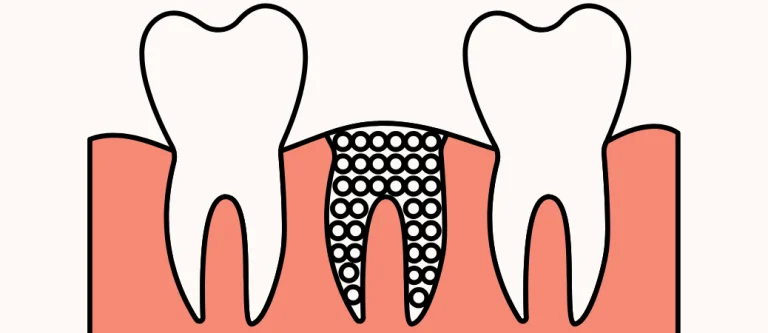
Snap in dentures are a newer option in prosthetic dentistry that attach to dental implants placed in your jawbone.
Snap-in dentures offer significantly better stability and comfort compared to traditional dentures because they connect securely to implants and don’t slip or move around.
Traditional dentures can shift when you eat or talk, which often causes irritation and embarrassment. Snap-in dentures provide superior stability, comfort and improved chewing ability, though they cost more and require implants.
The right choice for you depends on your budget, bone health, and lifestyle needs. This guide breaks down how these two options compare in terms of daily comfort, eating ability, long-term health effects, and overall value.
Key Takeaways
- Snap-in dentures stay secure through dental implants while traditional dentures rely on suction and adhesive that can cause slipping
- Implant-supported options help preserve your jawbone and improve chewing power compared to conventional dentures
- Traditional dentures cost less upfront but snap-in versions offer better long-term comfort and require less maintenance
Table of Content
- Comparing Fit, Comfort, and Daily Wear
- Stability and Security During Eating and Speaking
- Jawbone and Gum Health Implications
- Procedure, Maintenance, and Longevity
- Cost, Accessibility, and Suitability
- Frequently Asked Questions
Comparing Fit, Comfort, and Daily Wear
The way dentures fit and feel during daily activities makes a big difference in your quality of life.
Snap-in and traditional options attach differently to your mouth, which affects everything from how you chew food to whether you experience gum soreness.
How Snap-In Dentures Attach and Feel
Snap-in dentures connect to small implant attachments that your dentist places in your jawbone. These implants have ball-shaped or bar-shaped connectors on top that stick up through your gums.
Your dentures have special housing units built into them that snap onto these connectors.
When you put in snap-in dentures, you’ll feel and hear a clicking sound as they lock into place. This secure attachment means your dentures won’t shift around when you talk or eat.
Most people find this type of denture feels more natural than removable dentures. You can still take them out for cleaning, but they stay put during the day.
The implant-supported dentures don’t cover as much of your palate either, which helps food taste better and makes speaking easier.
Traditional Dentures: Fit and Potential Challenges
Conventional dentures rest directly on your gums and rely on suction and denture adhesive to stay in place. Upper dentures usually fit better because they can create suction against the roof of your mouth.
Lower dentures often cause more problems because your tongue movement and smaller surface area make denture stability harder to achieve.
Your jawbone naturally shrinks over time after tooth loss. This means traditional dentures that fit well today might feel loose in a year or two. You’ll need regular adjustments and may need new dentures every 5-7 years.
Many denture wearers deal with slipping during meals or conversations. Using denture adhesive helps, but it doesn’t completely solve the problem.
Some people feel self-conscious about their dentures moving at the wrong moment.
Bite Force and Chewing Ability Differences
Your chewing ability changes based on which type of dentures you choose. Snap-in dentures provide superior stability and improved chewing ability compared to traditional options.
Bite Force Comparison:
| Denture Type | Approximate Bite Force | Chewing Efficiency |
| Natural Teeth | 200-250 pounds | 100% |
| Snap-In Dentures | 70-100 pounds | 70-80% |
| Traditional Dentures | 20-50 pounds | 25-50% |
With implant-supported dentures, you can eat tougher foods like steak, raw vegetables, and crusty bread without worry.
Traditional dentures require you to avoid certain foods or cut everything into small pieces. Sticky foods like caramel or chewy bagels can pull conventional dentures loose.
The improved chewing efficiency with snap-in options also helps your digestion and nutrition. When you can chew food properly, your body absorbs nutrients better.
Addressing Gum Irritation and Soreness
Gum irritation affects many people who wear dentures, but the causes differ between types. Traditional dentures can create sore spots when they rub against your gums, especially if the fit isn’t perfect.
The constant movement of removable dentures creates friction that leads to redness and pain.
You might develop specific sore areas where the denture edge presses too hard. Denture adhesive sometimes causes allergic reactions or irritation in sensitive mouths.
Snap-in dentures cause less gum irritation because they don’t move around. The pressure from chewing gets distributed more evenly through the implant attachments instead of pressing directly on your gums.
This protects your oral health and keeps your gums healthier.
Both types need good cleaning habits to prevent problems. Food particles trapped under dentures can cause inflammation and infections if you don’t clean them daily. Remove your dentures each night to let your gums rest and recover.
Stability and Security During Eating and Speaking
The way dentures stay in place affects your ability to eat different foods and speak clearly.
Traditional dentures rest on your gums and may shift during meals or conversations, while snap-in dentures attach to implants for a more secure fit.
Food Choices and Chewing Power
Traditional dentures limit what you can comfortably eat because they rely on suction and sit directly on your gums.
You might struggle with tough meats, raw vegetables, or sticky foods that can dislodge your dentures. Your bite force with traditional dentures is typically much weaker than natural teeth.
Snap-in dentures offer significantly better chewing power because they connect to dental implants in your jawbone.
This denture attachment method gives you more confidence when biting into foods. Your chewing efficiency improves dramatically since the dentures won’t shift around in your mouth.
You can enjoy a wider variety of foods with implant dentures. Corn on the cob, apples, and crusty bread become easier to handle. The stability means you don’t have to cut everything into small pieces or avoid certain foods altogether.
Speech Clarity and Public Confidence

Traditional dentures can slip while you’re talking, especially when pronouncing certain sounds. You might notice clicking noises or feel your dentures moving when you speak.
This can make you self-conscious during conversations or public speaking.
Snap-in dentures stay firmly in place because of their implant connection. You’ll experience clearer speech since the dentures don’t shift position in your mouth. The secure fit helps you speak naturally without worrying about embarrassing slips.
Your confidence grows when you know your dentures won’t move unexpectedly. You can laugh, smile, and talk without constantly thinking about your teeth.
Reliance on Denture Adhesives
Traditional dentures often require denture adhesive to stay in place throughout the day. You’ll need to apply these products every morning and clean them off at night.
The cost of denture adhesives adds up over time, and some people find them messy or unpleasant tasting.
Snap-in dentures don’t require adhesives because they snap onto implants for support. This eliminates the daily routine of applying sticky pastes or creams. You save money and time by not needing these products.
The freedom from adhesives means you can remove and clean your dentures more easily. You won’t deal with residue buildup or the hassle of removing adhesive from your gums.
Jawbone and Gum Health Implications
The way dentures interact with your jawbone makes a big difference in your long-term oral health.
Traditional dentures sit on top of your gums and don’t stimulate the bone beneath them, while snap-in dentures use implants that work like natural tooth roots to keep your jawbone active and healthy.

Bone Loss and Preservation
When you lose your natural teeth, your jawbone starts to shrink because it no longer gets the stimulation it needs to stay strong. This process is called bone resorption.
Traditional dentures rest on your gums and can’t stop this bone loss from happening. Over time, your jawbone keeps getting smaller, which changes the shape of your face and makes your dentures fit poorly.
Snap-in dentures work differently because they use dental implants placed directly into your jawbone. These implants act like tooth roots and send signals to your bone when you chew.
This stimulation tells your body to keep maintaining the bone, which helps preserve facial structure and prevent that sunken appearance over time.
Impact of Implants on Jawbone Density
Dental implants bond with your jawbone through a process called osseointegration. This means the titanium implant fuses with your bone tissue over several months, creating a stable foundation.
This fusion does more than just hold your dentures in place. It maintains your jawbone density by transferring chewing forces directly into the bone.
Every time you eat or talk, the implants stimulate the surrounding bone tissue, keeping it active and healthy.
Without this stimulation, you can lose up to 25% of your jawbone width in the first year after tooth loss. The bone loss continues over the years with traditional dentures.
If you’ve already experienced significant bone loss, you might need bone grafting before getting implants to rebuild enough bone for support.
Long-Term Oral Health Benefits
Implant-supported dentures stay firmly in place, which means less rubbing and irritation on your gums. Traditional dentures can create sore spots from constant friction and movement against your gum tissue.
Better gum health comes from reduced pressure and irritation. Since snap-in dentures distribute chewing forces through the implants rather than pressing down on your gums, your soft tissues experience less stress and inflammation.
Your overall oral health improves when your jawbone stays strong and your gums stay healthier. You’ll also find it easier to maintain good hygiene because snap-in dentures are removable for thorough cleaning.
The stability of implants means you can brush and care for your mouth more effectively than with traditional dentures that shift around.
Procedure, Maintenance, and Longevity
Getting snap-in dentures involves a multi-step surgical process and healing period, while traditional dentures can be fitted right away.
Both options need regular care, but the daily routines differ significantly in terms of effort and long-term durability.
Overview of Implant Surgery and Placement
Your journey to snap-in dentures starts with implant surgery performed by your dentist or prosthodontist.
The procedure involves placing titanium implant posts into your jawbone, typically requiring four to six implants per arch depending on your specific needs.
After implant placement, you’ll receive a temporary denture to wear during the healing phase.
This healing period usually lasts three to six months, allowing the implant posts to fuse with your jawbone through a process called osseointegration.
Once healing is complete, your dentist attaches small connectors called locators to the implants. These locators serve as the attachment points where your overdentures snap securely into place.
Some patients may qualify for a fixed implant bridge instead, which offers even greater stability but cannot be removed at home.
Traditional dentures skip the surgical process entirely. Your dentist takes impressions of your mouth and creates custom dentures that rest directly on your gums, allowing you to receive them within a few weeks.
Adjustments and Cleaning Routines
You’ll need to remove your snap-in dentures daily for thorough cleaning. Simply unsnap them from the locators, brush both the denture and the implant attachments, then snap them back into place. No messy adhesives are required.
The maintenance and cleaning requirements for implant-supported dentures are more straightforward than you might expect.
You should also visit your dentist regularly to check the condition of your implants and replace worn attachment components.
Traditional dentures require nightly removal and soaking in a cleaning solution. You’ll need to apply adhesive cream each morning, which can be messy and inconvenient.
These dentures also require more frequent adjustments as your gums change shape over time due to bone loss.
Durability and Expected Lifespan
Your implant posts can last 20 years or longer with proper care, making them a solid long-term investment.
The denture portion attached to these implants typically needs replacement every 10 to 15 years as normal wear occurs.
Traditional dentures usually last five to eight years before requiring replacement. You’ll also need regular relines and adjustments every few years as your jawbone gradually shrinks, changing how your dentures fit.
The long-term maintenance costs often favor snap-in dentures despite their higher initial price.
The stability provided by implants reduces wear on the denture material and eliminates the ongoing expense of adhesives and frequent refittings.
Cost, Accessibility, and Suitability
Snap-in dentures typically cost between $8,000 and $38,000 for both arches, while traditional dentures range from $3,000 to $8,000. Your candidacy depends on bone density, overall health, and access to specialized care.
Initial Investment vs Long-Term Value
Traditional dentures require the lowest upfront cost at $3,000 to $8,000 for a full set. You can get them from most general dentists without surgery.
However, you’ll need replacements every 5 to 7 years and regular relining every 1 to 3 years at $200 to $800 per visit.
Snap-in dentures cost more initially because they need dental implants. A lower arch with 2 implants runs $8,000 to $14,000, while an upper arch with 4 implants costs $14,000 to $24,000.
The implants themselves last 20 to 30 years, though the denture portion still needs replacement every 5 to 10 years.
Partial dentures offer a middle ground for replacing missing teeth when you still have some natural teeth remaining. They cost $300 to $5,000 depending on materials and complexity.
| Option | Initial Cost | Replacement Frequency | Long-Term Maintenance |
| Traditional Full Dentures | $3,000-$8,000 | 5-7 years | Relining every 1-3 years |
| Snap-In Dentures (Lower) | $8,000-$14,000 | Denture: 5-10 years | Relining every 3-5 years |
| Snap-In Dentures (Upper) | $14,000-$24,000 | Denture: 5-10 years | Relining every 3-5 years |
| All-on-4 Fixed Bridge | $20,000-$35,000 per arch | 10-15 years | Minimal adjustments |
Treatment Candidacy and Specialist Involvement
You need adequate jawbone density for snap-in dentures to support dental implants. If you’ve worn traditional dentures for many years, bone loss may require grafting procedures that add $500 to $3,000 per area.
A prosthodontist specializes in tooth replacement options and can handle complex cases involving multiple implants.
General dentists can place traditional dentures and sometimes handle simpler snap-in cases with 2 to 4 implants. You’ll find prosthodontists mainly in larger cities, which may require travel for specialized care.
Medical conditions like uncontrolled diabetes, active gum disease, or heavy smoking can disqualify you from implant surgery. Your age isn’t typically a barrier if you’re in good health.
Tooth Replacement Options for Every Patient
Traditional full dentures work for nearly everyone regardless of bone loss or health conditions. You can get them quickly, often within a few weeks of tooth extraction.
Snap-in dentures require 3 to 6 months for implant healing before the final denture attaches. This option suits you if you want better stability than traditional dentures but prefer something removable for cleaning.
All-on-4 provides fixed teeth that don’t come out, using angled implants to work with less bone. This solution costs more but eliminates the denture feel entirely.
Partial dentures fill gaps when you’re keeping some natural teeth and aren’t ready for full dentures yet.
Your budget, bone health, and lifestyle preferences determine which tooth replacement option fits your situation best.
Frequently Asked Questions
Snap-in dentures attach to implants for better stability while traditional dentures rest on your gums with adhesive. The cost difference can be significant, with snap-in options requiring surgical placement of implants.
How do snap-in dentures feel compared to traditional dentures when eating and speaking?
Snap-in dentures feel more secure when you eat and talk because they attach to implants in your jaw. You won’t worry about them slipping around in your mouth during meals or conversations.
Traditional dentures can shift when you chew or speak, which takes time to get used to. Many people need to use adhesive creams to keep them in place throughout the day.
With snap-in dentures, you can bite into foods with more confidence. They feel closer to natural teeth because they don’t move around on your gums.
Which option stays in place better during the day—snap-in dentures or traditional dentures?
Snap-in dentures provide superior stability because they click onto implants that are placed in your jawbone. The implants act like anchors that hold your dentures firmly in position.
Traditional dentures rely on suction and adhesive to stay put. They can slip when you eat sticky foods, laugh, or yawn.
You can remove snap-in dentures for cleaning, but they won’t come loose on their own during normal activities. This gives you more confidence in social situations and when eating out.
What common problems can happen with snap-in dentures, and how are they fixed?
The attachments that connect snap-in dentures to implants can wear out over time. Your dentist can replace these small rubber or plastic parts during a regular visit.
Sometimes the implants can become irritated if food gets trapped around them. Regular cleaning and dental checkups help prevent this problem.
Your dentures might need adjustments as your gums change shape over the years. Your dentist can reline them to maintain a proper fit.
In rare cases, an implant might fail or become loose. Your dentist can replace it with a new implant if this happens.
How much do snap-in dentures typically cost compared to traditional dentures?
Traditional dentures usually cost between $1,000 and $3,000 for a full set. This makes them the more affordable option upfront.
Snap-in dentures cost more because you need to pay for both the implants and the dentures. The total price often ranges from $5,000 to $15,000 or more, depending on how many implants you need.
Insurance may cover some of the cost of traditional dentures but often doesn’t cover implants. You should check with your insurance provider about what they will pay for.
Many dental offices offer payment plans to help spread out the cost of snap-in dentures. The higher price reflects the surgical placement of implants and the improved stability they provide.
Are snap-in dentures the same as dental implants, or do they work differently?
Snap-in dentures are not the same as dental implants, though they use implants to work properly. The dentures attach securely to dental implants that are placed in your jaw.
Full dental implants replace each tooth with an individual implant and crown. This option is permanent and doesn’t come out of your mouth.
Snap-in dentures are removable, so you take them out each night for cleaning. They snap onto a few implants rather than replacing every tooth with its own implant.
You get better stability than traditional dentures without needing as many implants as full dental implants require. This makes snap-in dentures a middle option between traditional dentures and permanent implants.
How do snap-in dentures compare in cost and stability to All-on-4 treatment?
All-on-4 treatment uses four implants to support a fixed denture that doesn’t come out of your mouth. It typically costs between $15,000 and $30,000 per arch.
Snap-in dentures usually need two to four implants and cost less than All-on-4. You can remove them for cleaning, while All-on-4 dentures stay permanently attached.
Both options give you much better stability than traditional dentures. All-on-4 feels more like natural teeth because the denture is screwed into place and never moves.
Snap-in dentures offer a good balance of improved stability and lower cost. They’re easier to clean since you take them out, but they don’t feel quite as secure as All-on-4.