

Finding out your child needs a dental filling can feel like a big deal, but it does not have to be stressful for you or your child.
Most pediatric cavity fillings are quick, gentle, and over before your child even realizes it. A pediatric dentist who works with kids every day knows how to keep them calm and comfortable from start to finish.
If you’re preparing for your child’s first dental filling, you might be wondering how to talk about it at home or what the appointment will look like.
This guide walks you through the process, so you know exactly what to expect at each step.
You will also learn a few simple ways to ease dental anxiety in children before you even walk through the door.
Good pediatric dental care is about more than just fixing a cavity. It is about helping your child feel safe and supported so future visits feel just as easy.
By the end of this guide, you will feel ready to support your child through their first filling and beyond.
Key Takeaways
- A pediatric dentist can explain why treating a cavity early helps protect your child’s smile.
- Knowing what happens during the appointment, from numbing to the final check, can help your child feel calmer.
- Simple habits at home after the visit can support healing and help prevent future cavities.
Table of Content
- Why a Filling Is Recommended for Your Child
- How to Prepare for the Appointment
- The Filling Visit Step by Step
- Filling Materials and Comfort Options
- Aftercare During the First Few Days
- Preventing Future Cavities
- Frequently Asked Questions
Why a Filling Is Recommended for Your Child
Cavities in children are common, but they don’t have to turn into bigger problems. Understanding how tooth decay forms and why quick treatment matters can help you feel more confident about your child’s dental care.
How Cavities and Tooth Decay Develop
Cavities start when sugar and bacteria mix in your child’s mouth. This creates acid that slowly wears away the tooth’s outer layer.
Kids’ teeth are especially at risk because their enamel is thinner than adult teeth. This means dental caries can form faster and go deeper if they aren’t caught early.
Sugary snacks and drinks are a big part of the problem. The more often your child eats sugar, the more acid attacks happen on their teeth each day.
Good oral hygiene habits, like brushing twice a day, help fight this process. But even careful brushers can still get cavities, which is why regular dental checkups matter so much.
Why Treating Baby Teeth Matters
You might wonder why baby teeth need fillings if they’ll eventually fall out anyway. The truth is, healthy teeth (even temporary ones) play a big role in your child’s growth.
Baby teeth hold space for permanent teeth to come in correctly. If a cavity is left untreated, it can lead to early tooth loss, which may cause permanent teeth to shift or grow crooked.
Baby teeth also help your child chew food properly and learn to speak clearly. An infected or painful tooth can make eating and talking harder for your child.
Treating cavities in children early helps protect your child’s overall health and comfort. It also sets the stage for healthier permanent teeth later on.
Signs That May Lead to a Filling Recommendation
Sometimes cavities are easy to spot, but other times they hide in places you can’t see. Your dentist may use a dental x-ray to check for decay between teeth or below the surface.
Here are some common signs of tooth decay in children that may lead to a filling recommendation:
- Visible white, brown, or black spots on the teeth
- A hole or dent you can see or feel
- Sensitivity to sweet, hot, or cold foods
- Pain when chewing
- Food that always seems to get stuck in one spot
If you notice any of these signs, it’s a good idea to schedule a dental checkup soon. Catching cavities early makes treatment simpler and helps keep your child’s smile strong and healthy.
How to Prepare for the Appointment
Getting ready for your child’s filling starts with what you say at home, what you pack for the visit, and how you plan to keep them calm in the chair.
A little planning goes a long way toward a smooth, stress-free trip to the pediatric dentist.
What to Tell Your Child Before the Visit
Keep your explanation short and simple. You can tell your child the dentist is going to fix a small spot on their tooth so it stays healthy.
Avoid words like “shot,” “drill,” or “hurt.” These words can make kids more scared than they need to be.
Instead, try friendly terms the dentist might use, like “sleepy juice” for the numbing gel or “tooth vacuum” for the suction tool. This kind of language matches what many pediatric dentists use during a dental filling appointment.
Let your child know the appointment will be quick, usually less than an hour. You can also remind them that the dentist’s whole job is to help kids feel comfortable.
What to Bring and How to Plan the Day
Pack a few comfort items for your child. A stuffed animal, a favorite small toy, or headphones for music can help them feel more at ease.
Bring these items to the appointment:
- Any forms or information requested by the dental office
- A list of any medications your child takes
- A comfort item like a stuffed toy
- Headphones or earbuds for distraction
Plan the visit for a time of day when your child is well-rested. Many parents pick mornings right after breakfast, so kids aren’t hungry or tired.
Avoid scheduling right before nap time or a big meal, since a cranky or hungry child may have a harder time sitting still.
Ways to Ease Dental Anxiety
Dental anxiety is common in young kids, but there are simple ways to help. Distraction techniques work well, such as letting your child watch a show on a ceiling-mounted TV or listen to their favorite songs during the visit.
Many pediatric dental offices also offer sedation dentistry options for children who feel extra nervous or need more involved work.
One common option is nitrous oxide, often called laughing gas. It helps kids relax and feel less aware of the procedure, though they stay awake the whole time.
Talk to your dentist ahead of time if you think your child might need this option. They can walk you through the process and answer any questions about safety and recovery.

The Filling Visit Step by Step
Your child’s filling appointment follows a clear order, from checking the tooth to making sure the bite feels right when you leave. Knowing what happens at each stage can help you explain it to your child in simple, calm words.
Exam, X-Rays, and Treatment Planning
The dentist will start by looking closely at your child’s tooth and may take a dental x-ray to see how deep the cavity goes.
This picture shows things that aren’t visible just by looking, like decay between teeth or near the nerve.
Once the dentist has this information, they will explain the plan to you and your child. They may use simple words like “cleaning out the sugar bugs” so your child understands without feeling scared.
This is also the time to ask questions. You can ask about the type of filling material your dentist recommends and how long the visit might take.
Numbing the Tooth Comfortably
Before starting, the dentist will make sure your child’s tooth is numb. They usually begin with a topical numbing gel placed on the gum to reduce discomfort from the next step.
After a few minutes, the dentist will give local anesthesia through a small injection near the tooth. This local anesthetic blocks pain signals so your child won’t feel sharp sensations during the procedure.
Your child may still feel pressure, vibration, or movement, but they should not feel pain. It helps to remind your child that “sleepy tooth” feelings are normal and expected.
Removing Decay and Cleaning the Tooth
Once the area is numb, the dentist removes the decayed part of the tooth. Depending on the case, they might use a small dental drill or a gentler option called air abrasion, which uses a fine spray instead of a drill.
The dentist works carefully to remove only the soft, damaged tooth material. Healthy tooth structure is kept in place as much as possible.
After the decay is cleared, the tooth is cleaned and dried. This step gets the tooth ready so the dental filling can bond properly and last as long as possible.
Placing, Shaping, and Checking the Filling
Next, the dentist places the chosen filling material into the cleaned area. Many pediatric dentists use a composite filling, which is a tooth-colored composite resin that blends in with the rest of the tooth.
The dentist will shape the composite resin filling to match your child’s bite. A special light is often used to harden the material quickly so it’s strong enough for chewing.
Finally, the dentist checks your child’s bite to make sure everything feels comfortable. They may ask your child to bite down gently and adjust the filling if it feels too high or uneven.
Filling Materials and Comfort Options
Your dentist will pick the best filling material based on where the cavity is and how big it is. They will also offer comfort options to keep your child calm and pain-free during the visit.
Tooth-Colored Composite Fillings
Composite fillings are one of the most popular choices for kids today. They are made of composite resin, a mix of plastic and glass materials that match the color of your child’s teeth.
Composite resin fillings blend in so well that other people won’t even notice them. This can help your child feel less self-conscious about their smile.
These fillings also bond directly to the tooth. This means the dentist doesn’t need to remove as much healthy tooth structure, which is great news for baby teeth.
Composite filling material sets quickly under a special light. Your child’s dental filling appointment can often be finished in one visit.
Glass Ionomer and Amalgam Fillings
Glass ionomer fillings are another option, especially for smaller cavities or for kids who have a hard time staying still. This filling material releases fluoride over time, which can help protect the tooth from new decay.
Glass ionomer filling material isn’t as strong as composite, so dentists often use it on baby teeth that will fall out soon anyway.
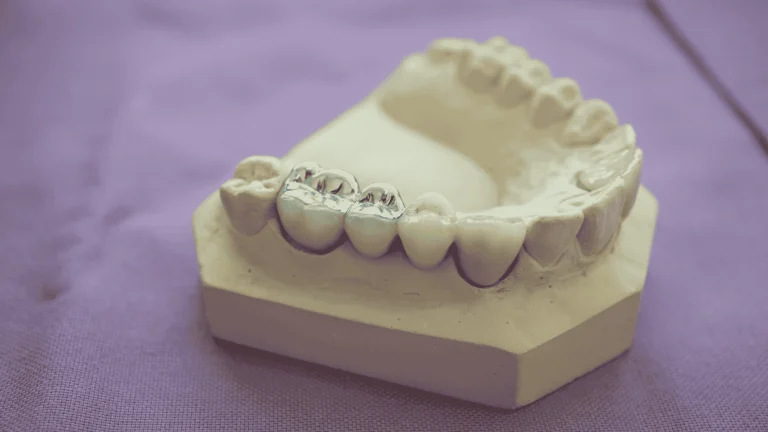
Amalgam fillings are made from a mix of metals, including silver. You may notice them less often these days since many parents prefer the tooth-colored look of composite.
Still, amalgam fillings are known for being strong and long-lasting. Some dentists may still recommend them for back teeth that handle a lot of chewing pressure.
When Nitrous Oxide or Other Sedation May Help
Most kids do just fine with a local anesthetic, which numbs the area around the tooth being treated. This keeps your child comfortable without making them feel sleepy or out of it.
For kids who feel nervous or have a hard time sitting still, nitrous oxide can help a lot. Nitrous oxide, often called laughing gas, is breathed in through a small mask and helps your child feel relaxed and calm.
The effects wear off quickly once the mask comes off, so your child can go right back to their normal day.
In some cases, your dentist might suggest other sedation dentistry options. This is more common for kids with high anxiety, several fillings needed at once, or special healthcare needs.
Your dentist will always explain what to expect during the filling procedure and answer any questions you have about comfort options before treatment begins.
Aftercare During the First Few Days
The first few days after your child’s filling are all about keeping them comfortable and protecting the new work while it settles in.
A few simple steps around eating, brushing, and watching for warning signs will help everything heal smoothly.
Managing Numbness, Sensitivity, and Cheek Biting
Right after the appointment, your child’s mouth may still feel numb for a couple of hours. This can make it tempting for them to chew on their cheek or lip without even noticing.
Keep an eye on them during this time, and gently remind them not to bite or chew on the numb area. Once feeling returns to normal, watch for mild soreness or tooth sensitivity, especially with hot or cold foods.
This usually fades within a few days. An age-appropriate over-the-counter pain reliever can help if your child seems uncomfortable, but always follow the dosage instructions on the package.
Food and Brushing Guidance After Treatment
Wait until the numbness completely wears off before offering any food or drinks. This helps prevent accidental bites to the tongue or cheek.
For the first day or so, stick to soft foods that won’t put pressure on the new filling. Good choices include:
- Yogurt
- Mashed potatoes
- Applesauce
- Scrambled eggs
- Smoothies
Try to avoid sticky, crunchy, or very chewy foods for a couple of days. When it comes to brushing and flossing, keep up your child’s regular oral hygiene routine, but be gentle around the treated tooth.
Using a soft-bristled brush with fluoride toothpaste helps protect the area while supporting healthy teeth overall.
When to Call the Dental Office
Most kids recover from a dental filling without any issues, but it’s smart to know what’s not normal. Call your dentist if your child has sharp pain, swelling, or discomfort that lasts more than a few days.
You should also reach out if the filling feels loose, cracked, or if your child has trouble biting down comfortably. Sensitivity that gets worse instead of better is another sign worth mentioning to your dentist.
When in doubt, a quick phone call can offer peace of mind and catch small problems early.
Preventing Future Cavities
Good daily habits, smart food choices, and regular checkups all work together to protect your child’s teeth. A few small changes at home can make a big difference in keeping cavities in children from coming back.
Build a Reliable Daily Oral Care Routine

Your child’s oral hygiene routine is the first line of defense against new cavities. Brush your child’s teeth twice a day with fluoride toothpaste, and use just a smear or pea-sized amount depending on their age.
Brushing and flossing should happen together, not one or the other. Floss once a day to clean the spots a toothbrush can’t reach, especially between teeth that touch.
For younger kids, you’ll likely need to help with brushing until they’re around 7 or 8 years old. Watch to make sure they’re covering all their teeth, not just the front ones.
Set a timer for two minutes so your child brushes long enough to actually clean their teeth well.
Make Smart Choices About Snacks and Drinks
What your child eats and drinks throughout the day has a big impact on their dental health. Sugary snacks and drinks feed the bacteria that cause cavities, so try to limit how often your child has them.
It’s not just about how much sugar, but how often. Grazing on sweets all day gives bacteria more chances to attack tooth enamel than eating the same treat all at once.
Try swapping sticky candies and sodas for options like cheese, fruit, or water. If your child does have something sugary, encourage them to rinse with water afterward.
Sticky foods, like fruit snacks or dried fruit, cling to teeth longer and can be just as harmful as candy.
Keep Up With Preventive Dental Visits
Regular dental checkups let your child’s dentist catch small problems before they turn into bigger ones.
Most kids should visit for dental checkups every six months, though your dentist may suggest a different schedule based on your child’s needs.
During these visits, pediatric dental care providers often recommend fluoride treatments to strengthen enamel and help prevent decay.
Dental sealants are another useful tool, especially for back teeth with deep grooves where food and bacteria tend to collect.
These visits also give you a chance to ask questions about your child’s brushing habits or diet. Staying consistent with checkups helps keep your child’s smile healthy for years to come.
Frequently Asked Questions
Parents usually want quick, clear answers about comfort, timing, and care before and after their child’s filling. Here are answers to the questions that come up most often.
How can I prepare my child for their first dental filling?
Start by staying calm. Kids often pick up on your mood, so a relaxed attitude helps them feel safe too.
Explain the visit using simple, friendly words instead of scary terms like “drill” or “shot.” You can also let your child bring a comfort item, like a stuffed animal, to hold during the appointment.
Preparing your child for a cavity filling works best when you let the dentist answer any detailed questions your child asks.
Will my child feel pain during a cavity filling?
Local anesthesia is used to minimize discomfort during a filling, so your child may mainly notice pressure or vibration during treatment.
Dentists numb the area first, so your child should only feel some pressure or vibration, not sharp pain.
If your child feels nervous about needles, ask the dental team about pain management options for kids’ fillings. Many offices use numbing gel before the shot so your child barely notices it.
How long does a child’s dental filling appointment usually take?
A single filling usually takes about 20 to 40 minutes. The exact time depends on how deep the cavity is and how many teeth need treatment.
Some appointments run a bit longer if your child needs extra time to feel comfortable. Ask the office about the average appointment length for pediatric fillings when you book, so you can plan your day around it.
What happens step by step during a pediatric dental filling?
The dentist starts by numbing the tooth and gum area. Next, they remove the decayed part of the tooth using small, child-sized tools.
After that, they clean the space and fill it with a safe material, either composite or metal, depending on the tooth. The dentist then shapes and smooths the filling so it feels comfortable when your child bites down.
Will my child need numbing medicine or laughing gas for the filling?
Local anesthesia is commonly used to keep the area comfortable during a filling. Dentists often apply a numbing gel first, so the shot itself feels less noticeable.
Laughing gas, also called nitrous oxide, is optional and helps some kids relax if they feel anxious. Ask your dentist about the numbing techniques and child-friendly communication they use, since options can vary by office.
What should my child eat and avoid after getting a filling?
Wait until the numbness wears off before letting your child eat, since biting down on a numb cheek or tongue can cause accidental injury.
Soft foods like yogurt, mashed potatoes, or scrambled eggs are good choices for the first meal.
Avoid sticky, hard, or very hot foods for the rest of the day, since they can irritate the new filling.