

Waking up with a sore jaw or headache can be frustrating, especially when you don’t know what’s causing it.
If you’ve noticed these symptoms or your partner has mentioned hearing strange grinding sounds at night, you might be dealing with sleep bruxism.
Teeth grinding at night is an involuntary behavior where you clench or grind your teeth during sleep, often caused by stress, sleep disorders, or bite problems.
Many people don’t realize they have nighttime teeth grinding until they experience symptoms like worn tooth enamel, jaw pain, or tooth sensitivity.
The good news is that you can protect your teeth with the right night teeth grinding treatment. Understanding why you grind your teeth is the first step toward finding relief.
Bruxism can lead to serious dental damage if left untreated, but oral appliances and other treatments offer effective solutions.
This guide will help you identify the causes of your teeth grinding and explore practical options to protect your smile and improve your sleep quality.
Key Takeaways
- Teeth grinding at night is usually caused by stress, sleep disorders, or dental alignment issues
- Symptoms include jaw pain, headaches, worn teeth, and facial soreness that can worsen without treatment
- Oral appliances like night guards and lifestyle changes can effectively protect your teeth and reduce grinding
Table of Content
- Understanding Bruxism and Types of Teeth Grinding
- Common Causes and Key Risk Factors
- Symptoms and Oral Health Complications
- Diagnosing the Cause of Teeth Grinding
- Oral Appliance Solutions and Bruxism Treatments
- Prevention, Lifestyle Changes, and Stress Reduction
- Frequently Asked Questions
Understanding Bruxism and Types of Teeth Grinding
Bruxism affects millions of people who clench or grind their teeth without realizing it, and the condition manifests differently depending on when it occurs and who experiences it.
The disorder ranges from mild daytime jaw tension to severe nighttime grinding that can damage your teeth and disrupt your sleep.
What Is Bruxism?
Bruxism is the medical term for involuntary teeth grinding and jaw clenching. When you have this condition, you squeeze or rub your teeth together without conscious control.
The action happens through repeated jaw-muscle activity in your facial and chewing muscles. You might grind, clench, brace, or thrust your jawbone during episodes.
Most people don’t realize they’re doing it. The involuntary nature of bruxism makes it different from purposeful actions like chewing food.
Common signs include:
- Worn tooth enamel
- Jaw pain or soreness
- Headaches
- Facial muscle tension
The condition can apply significant force to your teeth. During sleep, you may use up to 250 pounds of force when grinding because you can’t perceive your bite strength.
Sleep Bruxism vs. Awake Bruxism
Sleep bruxism and awake bruxism are considered distinct conditions even though both involve similar physical actions. Each type has different triggers and characteristics.
When you have awake bruxism, you clench or grind your teeth during the day while conscious. This type is actually more common than nighttime grinding.
You might catch yourself doing it during stressful moments or while concentrating.
Sleep bruxism happens during your sleep cycle without your awareness. You can’t control the intensity, which often makes it more damaging to your teeth.
Key differences include:
- Awareness: You may notice awake bruxism and can stop it consciously
- Force: Sleep bruxism typically involves stronger clenching
- Diagnosis: Nighttime grinding requires input from sleep partners or professionals
- Treatment: Different approaches work better for each type
Nocturnal Bruxism as a Sleep-Related Movement Disorder
Nocturnal bruxism is classified as a sleep-related movement disorder. The condition involves rhythmic masticatory muscle activities (RMMA) that occur during your sleep.
Up to 60% of people make occasional chewing-like motions while sleeping. However, if you have bruxism, these movements happen with much greater frequency and force.
Most episodes occur early in the sleep cycle during stages 1 and 2 of non-REM sleep.
Episodes usually last up to one second, and they don’t happen consistently every night.
The grinding appears connected to changes in your sleep patterns. Most teeth grinding is preceded by increases in brain and cardiovascular activity, which may explain links between bruxism and obstructive sleep apnea.
Bruxism in Children and Adults
The prevalence of bruxism changes significantly across different age groups. Children experience nighttime teeth grinding much more frequently than older adults.
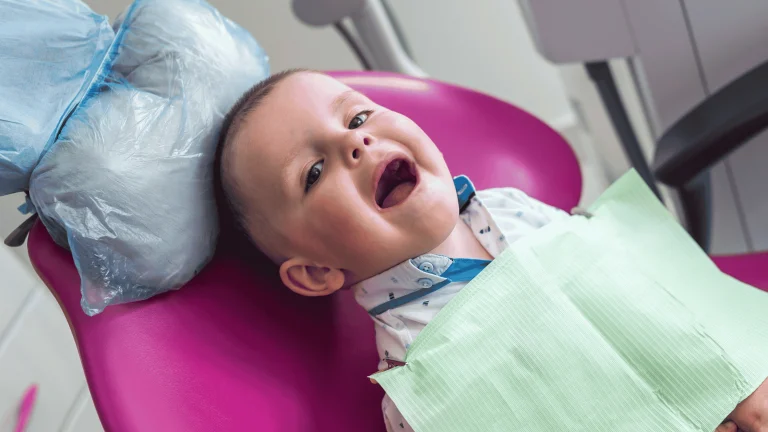
Studies show anywhere from 6% to nearly 50% of children grind their teeth at night. The condition can start as soon as teeth come in, affecting some infants and toddlers.
Sleep talking, sleepwalking, and bedwetting may increase the risk in young children. But due to dental anxiety, children don’t tend to inform their parents until they notice.
Around 15% of adolescents have sleep bruxism. The numbers drop as people age, with only 8% of middle-aged adults and 3% of older adults grinding their teeth during sleep.
Age-related patterns:
- Bruxism is most common in children and young adults
- The condition often decreases naturally with age
- Treatment approaches may differ based on age and tooth development
Common Causes and Key Risk Factors
Teeth grinding happens for different reasons, from daily stress to physical problems with your bite.
Understanding what triggers your nighttime grinding helps you find the right treatment approach.

Stress, Anxiety, and Emotional Triggers
Stress is one of the most significant risk factors for nighttime teeth grinding. When you face difficult situations during the day, your body can carry that tension into sleep.
Your brain doesn’t completely shut off stress responses at night. Clenching your teeth is a common physical reaction to anger, fear, or worry.
If you experience high anxiety levels, you’re more likely to grind your teeth while sleeping.
Psychosocial problems can make bruxism worse. Work pressure, relationship issues, and financial worries all contribute to increased grinding episodes.
Your emotional state directly affects how much force you use when clenching your jaw during sleep.
Sleep Disorders and Obstructive Sleep Apnea
Episodes of teeth grinding appear connected to changing sleep patterns and brief wake-ups during the night. Most grinding happens right before increases in brain and heart activity.
Obstructive sleep apnea (OSA) creates temporary pauses in breathing that disrupt your sleep.
These interruptions trigger jaw clenching and grinding as your body responds to reduced oxygen levels.
Other sleep disorders also raise your risk:
- Sleep talking
- Sleepwalking
- Bedwetting
- Chronic snoring
Your bruxism might not occur every night. The frequency of grinding episodes often changes based on sleep quality and how many times you experience microarousals.
Malocclusion, Bite Issues, and Dental Alignment
Problems with how your teeth fit together can cause grinding at night. When your upper and lower teeth don’t align properly, your jaw muscles work harder to find a comfortable position.
Dental malocclusion puts extra stress on certain teeth. Your body tries to even out this unbalanced pressure through grinding movements.
An uneven bite creates trigger points that activate jaw-clenching muscles repeatedly during light sleep.
Damaged or poorly fitted dental work sometimes contributes too. Crowns, fillings, and implants that don’t match your natural bite can spark grinding episodes.
The extent of damage you experience depends partly on your teeth alignment and diet.
Lifestyle and Medical Factors
Your daily habits play a major role in nighttime bruxism. Caffeine intake, especially later in the day, can increase grinding. Alcohol consumption and tobacco use both raise your risk significantly.
Certain medications trigger teeth grinding as a side effect. SSRIs (selective serotonin reuptake inhibitors), amphetamines, and some antipsychotics may increase bruxism risk.
Talk with your doctor about any medication side effects you notice.
GERD (gastroesophageal reflux disease) affects teeth grinding too. Stomach acid reaching your mouth during sleep can prompt protective jaw movements.
Genetic causes account for many cases. As many as half of people with sleep bruxism have a close family member who also grinds their teeth.
Neurological conditions like Parkinson’s disease sometimes include bruxism as a symptom.
Symptoms and Oral Health Complications
Teeth grinding at night produces physical symptoms that range from mild discomfort to serious dental damage.
Your body sends warning signals through jaw pain, headaches, worn teeth, and other complications that indicate bruxism needs attention.
Jaw Pain, Headaches, and Morning Symptoms
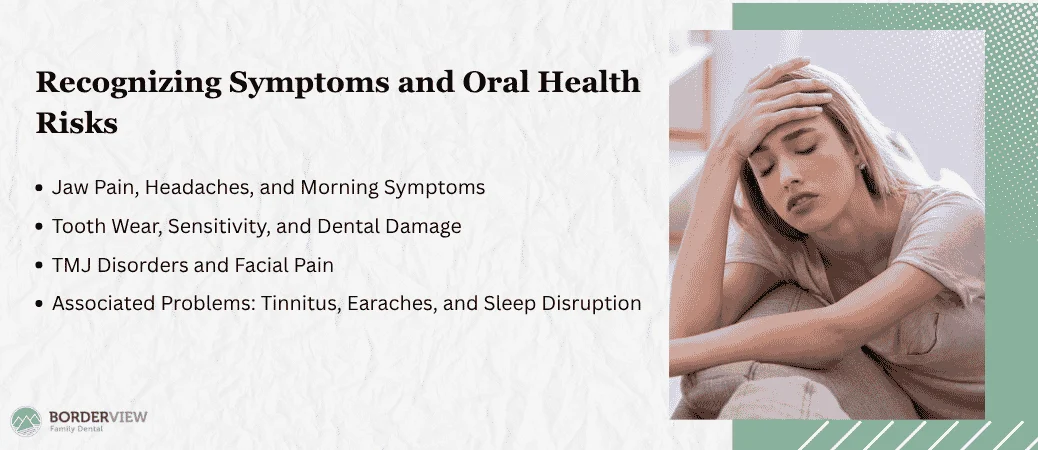
You might wake up with jaw pain or headaches that start at your temples and spread across your face.
Your jaw muscles work overtime during the night, which makes them feel tired and tight when you wake up.
Morning headaches often feel dull and start at the sides of your head. These aren’t regular headaches.
They come from hours of clenching and grinding that strain your jaw muscles.
Your jaw might feel locked or stiff in the morning. It may not open or close all the way. You could also notice clicking or popping sounds when you move your jaw.
Some people experience pain that feels like an earache, even though nothing is wrong with their ears. The pain comes from overworked jaw muscles near your ear area.
Tooth Wear, Sensitivity, and Dental Damage
Teeth grinding causes visible damage that your dentist can spot during a dental checkup. Your teeth may look flattened, chipped, or fractured.
The constant pressure wears down tooth enamel and exposes the inner layers of your teeth.
Worn enamel leads to tooth sensitivity. You might experience severe tooth pain, such as sharp pain when eating hot, cold, or sweet foods.
The protective layer of your teeth gets thinner with each night of grinding.
Common dental damage includes:
- Fractured teeth or tooth fractures
- Broken fillings and damaged crowns
- Loose teeth that move when touched
- Cracks that require root canal treatment
Severe cases need dental correction through porcelain veneers or dental prostheses. You might also notice gum recession where your gums pull away from your teeth.
This happens because the force of grinding affects both teeth and surrounding tissue.

TMJ Disorders and Facial Pain
The temporomandibular joint connects your jaw to your skull. Grinding puts extra stress on this joint and can lead to TMJ disorders or TMD.
Your jaw joints sit right in front of your ears and control all mouth movements.
TMJ problems cause facial pain that spreads across your cheeks and neck. The joints may click or make popping sounds when you open your mouth.
Some people can’t open their mouth wide or experience a locked jaw.
You might notice your jaw muscles look larger than normal. This muscular hypertrophy happens when muscles grow from constant use during grinding.
The effects of teeth grinding on your TMJ can last beyond the nighttime hours and affect daily activities like eating and talking.
Associated Problems: Tinnitus, Earaches, and Sleep Disruption
Teeth grinding creates problems beyond your mouth. You might hear ringing in your ears, called tinnitus, caused by the proximity of your jaw joint to your ear structures.
Earaches are common even when your ears are healthy.
The grinding sound can disrupt a bed partner’s sleep and affect your own sleep quality. Disrupted sleep leaves you tired during the day.
Many people with bruxism also experience snoring or other sleep problems.
Your sleep may include brief disturbances you don’t remember. These interruptions prevent deep, restful sleep even if you stay in bed for eight hours.
A mandibular advancement device can help with both grinding and related sleep issues.
Diagnosing the Cause of Teeth Grinding
Finding out why you grind your teeth involves a few different types of checkups and tests.
Your dentist will look for physical signs of grinding, while sleep specialists can monitor what happens when you’re asleep.
Dental Evaluation and Checkups
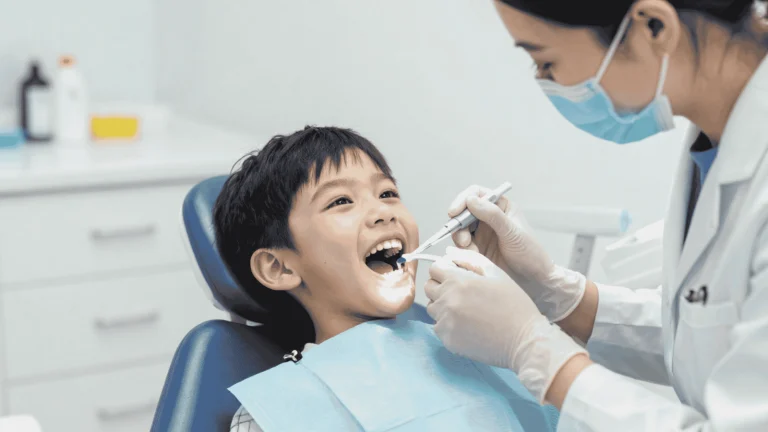
Your dentist checks for signs of bruxism during your regular dental checkup. They look at your teeth to see if they’re flattened, broken, or worn down in certain areas.
Your dentist will also check your jaw muscles for tenderness. They test how your jaw moves and listen for clicking sounds.
If they find damage, they might take X-rays to see how much your teeth, bone, and jaw have been affected.
During oral cancer screening, the doctors can see the signs too. Your dentist looks for bite marks or rough patches.
These checkups help track whether the grinding is getting worse over time.
What your dentist checks:
- Flattened or chipped teeth
- Tender jaw muscles
- Limited jaw movement
- Damage to cheek tissue
- Tooth sensitivity
Sleep Studies and Polysomnography
A sleep study checks for teeth grinding and other issues that happen while you sleep. You might need to spend a night at a sleep clinic for this test.
During polysomnography, sensors track your brain waves, breathing, and muscle activity. The test records when you grind your teeth and how often it happens.
It also checks for sleep apnea, which can involve obstructed airways and mouth breathing.
A sleep specialist reviews all the data from your test. They can tell if your grinding is linked to other sleep problems.
This information helps create the right treatment plan for you.
Identifying Contributing Factors
Your healthcare provider asks about your daily habits and stress levels. They want to know about any medicines you take because some can cause grinding as a side effect.
You’ll answer questions about caffeine, alcohol, and smoking. These substances can make grinding worse, especially in the evening.
Your provider also asks about your sleep hygiene habits, like what time you go to bed and how well you sleep.
Common contributing factors include:
- High stress or anxiety
- Poor sleep habits
- Caffeine or alcohol use
- Certain medications
- Other medical conditions
Your provider looks at your whole health picture. They check if conditions like Parkinson’s disease might be playing a role.
Understanding these factors helps target the real cause of your grinding.
When to See a Specialist
You should see a sleep medicine specialist if you have severe grinding or suspect sleep apnea. These doctors can order detailed tests and offer treatments like positional therapy.
If stress or anxiety seems to be causing your grinding, your dentist might refer you to a mental health professional. A therapist can teach you relaxation methods and biofeedback techniques.
These help you become aware of jaw tension during the day.
Your dentist refers you to specialists when regular treatments aren’t working. Getting the right diagnosis means seeing the right expert for your specific situation.
Oral Appliance Solutions and Bruxism Treatments
Several devices and dental procedures can protect your teeth from grinding damage and address underlying causes.
Treatment options range from protective guards you wear at night to permanent dental repairs.
Mouth Guards and Night Guards
Mouth guards and night guards create a barrier between your upper and lower teeth while you sleep. These devices absorb the force from grinding and prevent direct tooth-on-tooth contact.
You can choose between over-the-counter options or custom-fitted guards. Custom mouth guards from your dentist fit more precisely and typically last longer than store-bought versions.
Your dentist takes an impression of your teeth to create a guard that matches your bite exactly.
Types of materials include:
- Hard acrylic splints – Durable and long-lasting for severe grinding
- Soft guards – More comfortable but wear out faster
- Dual-laminate guards – Soft inside with hard outer layer for comfort and durability
A bruxism mouth guard stabilizes your bite and reduces negative effects on your jaw joints and muscles.
Most guards fit over your upper teeth, though some dentists recommend lower guards depending on your specific grinding pattern.
Dental Splints and Custom Devices
Dental splints differ from basic night guards in their design and purpose. These custom oral appliances do more than just protect your teeth, they can help reposition your jaw and relax tense muscles.
An occlusal stabilization splint keeps your jaw in a specific position throughout the night. This positioning reduces muscle tension and takes pressure off your temporomandibular joint.
Your dentist adjusts the splint over several visits to find the most comfortable and effective position.
Behavioral therapies work alongside mouth splints to address the root causes of grinding.
Some custom devices include small sensors that alert you when you start clenching, helping you become more aware of the habit during the day.
Mandibular Advancement Devices for OSA
If you have sleep apnea along with teeth grinding, a mandibular advancement device might solve both problems.
These specialized oral appliances move your lower jaw slightly forward to keep your airway open.
The device looks similar to a sports mouth guard but connects your upper and lower teeth. By advancing your mandible, it prevents the soft tissues in your throat from collapsing during sleep.
Many people who use CPAP machines find these devices more comfortable and easier to travel with.
Treating sleep-related disorders like sleep apnea often improves or eliminates bruxism. Your dentist works with a sleep specialist to determine if this type of device is right for you.
Dental Correction and Restorative Options
When grinding has already damaged your teeth, restorative dentistry can repair the harm.
Dental correction becomes necessary when severe wear causes sensitivity or affects your ability to chew properly.
Common restorative treatments include:
| Treatment | Purpose |
| Crowns | Cover and protect badly worn or cracked teeth |
| Veneers | Restore appearance of front teeth with minor damage |
| Root canal | Treat teeth where grinding exposed the nerve |
Your dentist may reshape worn chewing surfaces to improve your bite alignment. Orthodontic treatment with braces or Spark Clear Aligners can correct misaligned teeth that contribute to grinding.
These dental prostheses restore both function and appearance while protecting against future damage.
Prevention, Lifestyle Changes, and Stress Reduction
Making changes to your daily habits and managing stress can help reduce teeth grinding before it becomes a serious problem.
These approaches work best when you combine several strategies that fit your lifestyle.

Relaxation Techniques and Managing Stress
Stress and anxiety are major triggers for teeth grinding, so learning to relax can make a real difference.
Research suggests that stress plays a bigger role in daytime teeth grinding, but managing stress still helps your overall sleep quality and health.
Deep breathing is one of the simplest ways to start. You take slow, controlled breaths to ease tension in your mind and body.
Meditation works similarly by helping you focus your mind and clear away distractions.
Yoga and tai chi combine physical movement with mental relaxation. These practices stretch your muscles and calm your mind at the same time.
Progressive relaxation is another option where you tighten and release different muscle groups throughout your body.
For more serious psychosocial problems, you might benefit from psychotherapy. Cognitive behavioral therapy (CBT) can help you identify and change thought patterns that lead to stress and anxiety.
Some early research is even looking at biofeedback devices that monitor your body’s physical reactions to help you learn better relaxation methods.
Sleep Hygiene and Sleep Quality
Better sleep quality often leads to less teeth grinding at night. Experts think that teeth grinding happens during very brief awakenings from sleep that you don’t even notice.
Your bedroom setup matters a lot. Make your room as dark and quiet as possible. Set the temperature to a cool, comfortable level.
These simple changes help you sleep more deeply.
Stick to a consistent schedule. Go to bed and wake up at the same times every day, even on weekends. This helps regulate your body’s internal clock.
Create a relaxing bedtime routine. Turn off screens at least an hour before bed since the blue light can interfere with sleep.
Don’t drink caffeinated coffee or tea after dinner, and avoid alcohol in the evening.
Keep daytime naps short and early in the afternoon if you need them. Some people find mouth taping helpful for breathing through their nose at night, though you should talk to your doctor first.
Behavioral Therapy and Biofeedback
You might grind your teeth during the day without even realizing it. Becoming aware of this habit is the first step to stopping it.
Try to keep your mouth and jaw in a resting position as much as possible during the day. Your teeth should only touch when you’re eating.
Pay attention to when you tend to clench your jaw, like when you’re concentrating hard or feeling stressed.
Write yourself reminder notes or set phone alerts to check if you’re tensing your jaw muscles. Over time, you can train yourself to relax your jaw automatically.
Biofeedback therapy uses sensors to show you what’s happening in your body. A therapist can help you see when your muscles are tense and teach you how to relax them.
This awareness helps you change the habit even when you’re not thinking about it.
Diet and Substance Use Management
What you eat and drink affects your jaw muscles and pain levels. Certain foods make grinding symptoms worse, while others are easier on your jaw.
Avoid hard foods like nuts, popcorn, and hard candies that require a lot of chewing. Be careful with sticky foods like peanut butter that can strain your jaw.
Don’t chew gum since it keeps your jaw muscles working constantly.
Watch your caffeine and alcohol intake. Both substances can increase muscle tension and disrupt your sleep. Cut them out in the evening hours especially.
Some medications can cause teeth grinding as a side effect. Certain antidepressants and amphetamines are linked to bruxism. Street drugs like cocaine also cause grinding.
If you think a medication might be the problem, talk to your doctor about adjusting your dose or switching to a different drug.
Frequently Asked Questions
Teeth grinding affects about 1 in 10 adults and up to 30% of children, leading to many questions about its causes, effects, and treatments.
Understanding the answers can help you find the right solution for your specific situation.
What are the most common reasons people grind their teeth at night?
Stress and anxiety are the leading causes of nighttime teeth grinding. When you experience extra tension during the day, your body may continue processing those emotions while you sleep.
Sleep bruxism happens when your brain’s arousal network activates jaw muscles during light sleep stages.
This means your teeth grinding occurs during brief disturbances in your sleep cycle.
Other common triggers include smoking tobacco, drinking caffeinated beverages, and consuming alcohol.
Certain medications, especially some antidepressants and ADHD drugs, can also increase your risk of grinding.
Why do I clench my teeth without realizing it, even during the day?
Awake bruxism often happens when you’re deep in thought or concentrating on a task. You clench or grind your teeth without being aware you’re doing it.
This type of grinding can be a coping strategy when you’re dealing with emotions like anger, frustration, or tension. Your jaw becomes a physical outlet for mental stress.
Certain personality types face higher risk. If you’re naturally aggressive, competitive, or hyperactive, you’re more likely to develop awake bruxism.
What are the best ways to stop grinding teeth in sleep naturally?
Reducing stress before bedtime helps minimize nighttime grinding. Try relaxation techniques like deep breathing, meditation, or a warm bath in the evening.
Avoid caffeine and alcohol in the hours before sleep. These substances can disrupt your sleep patterns and increase the likelihood of teeth grinding.
Creating a calming bedtime routine signals your body it’s time to relax. Keep your bedroom cool, dark, and quiet for better sleep quality.
Gentle jaw stretches and massage can help relax tight muscles. Apply a warm washcloth to your jaw before bed to ease tension.
Can vitamin or mineral deficiencies contribute to teeth grinding during sleep?
Research on the connection between vitamin deficiencies and teeth grinding remains limited.
While some studies suggest links between low magnesium or calcium levels and muscle tension, there’s no strong evidence proving deficiencies directly cause bruxism.
Your overall health does affect your sleep quality. Maintaining a balanced diet supports better rest, which may reduce grinding episodes.
If you suspect nutritional issues, talk to your doctor about testing. They can determine if supplements might help your specific situation.
Is teeth grinding in children at night normal, and when should I be concerned?
Bruxism is common in young children and usually goes away by adulthood. Many kids grind their teeth as their jaw and teeth develop.
You should mention grinding to your child’s dentist at the next appointment. They can check for any tooth damage or jaw problems.
Watch for signs like complaints of jaw pain, headaches, or visible tooth wear. If your child has trouble sleeping or seems tired during the day, schedule a dental visit sooner.
Most children outgrow teeth grinding without needing treatment. However, severe cases might require a nightguard to protect developing teeth.
How do oral appliances for bruxism work, and which type is best for me?
Oral appliances create a protective barrier between your upper and lower teeth. They prevent direct contact, reducing damage from grinding and clenching.
Custom-fitted nightguards from your dentist offer the best protection and comfort. They’re made from impressions of your teeth for a precise fit.
Over-the-counter guards cost less but may not fit as well. They can be uncomfortable and might not stay in place during sleep.
Your dentist can recommend the right type based on the severity of your grinding. Some appliances also help reposition your jaw to reduce muscle strain.
Soft guards work well for mild grinding, while hard acrylic guards suit severe cases better. You might need to try different options to find what works best for your mouth.