Your tooth just went through a lot, and so did you. Sitting in a dental chair with your mouth propped open for an hour tends to make a person hungry, but biting into anything too soon can undo some of that careful work.
Wondering what to eat after a root canal? Most people can eat once the numbness wears off. Soft foods such as yogurt, scrambled eggs, and mashed potatoes are good starting options because they require little chewing.
Getting this right is less about rigid rules and more about understanding what your tooth actually needs.
A root canal removes infected or damaged tissue from inside the tooth before the canals are cleaned, filled, and sealed.
Depending on the tooth and treatment plan, your dentist may place a temporary restoration until a permanent filling or crown is ready.
At Borderview Family Dental, patients often ask the same question on their way out the door: “So when can I actually eat?”
The honest answer involves a few stages, and knowing them ahead of time takes a lot of the guesswork out of your first week.
Key Takeaways
- Wait until numbness fully wears off before eating anything, even soft foods.
- Choose soft, lukewarm meals and avoid chewing on the treated tooth until your dentist confirms it is safe to do so.
- Full, normal chewing on the treated tooth waits for your final restoration, not just for soreness to fade.
When Is It Safe to Eat After Treatment?
You can eat as soon as the numbness from your root canal has fully worn off, which usually takes a few hours. This has nothing to do with the tooth itself healing on a strict clock.
It is about your lips, cheek, and tongue being able to feel what is happening in your mouth again.
Why Should You Wait for the Numbness to Wear Off?
Numb tissue cannot warn you when something is wrong. You might bite your cheek without noticing, or take a sip of coffee that is hot enough to burn you before you feel it.
The American Association of Endodontists advises waiting until the numbness has completely worn off before eating anything, since that return of sensation is what keeps you from accidentally injuring your mouth.
Wait until normal sensation has fully returned to your lips, cheeks, and tongue before eating. Follow any additional instructions your dentist provides.
How Should You Approach Your First Meal?
Start slow and small rather than diving into a big plate of food. Choose something soft, cool or lukewarm, and easy to swallow with minimal chewing.
Eat at a relaxed pace and keep the food away from the treated tooth as much as possible. There is no need to skip the meal altogether.
Eating after a root canal is encouraged once you are ready, since going hungry does nothing for your recovery.
What Can You Eat in the First Few Days?
Soft foods are your best friend for the first day or two of root canal recovery, and you can gradually add texture back in as tenderness fades. The goal is to protect the treated tooth while still eating well and staying nourished.
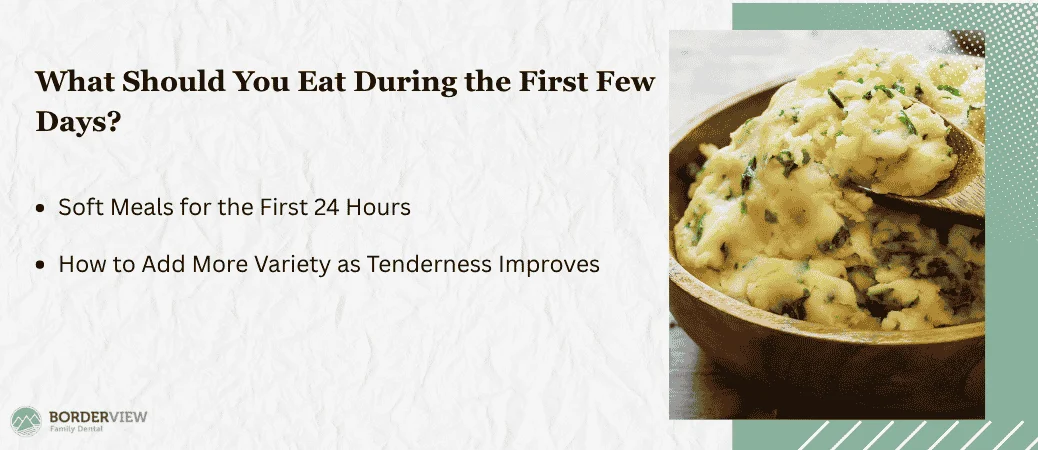
Soft Meals for the First 24 Hours
Stick to foods that need almost no chewing on day one. Good options include:
- Scrambled or soft-boiled eggs
- Yogurt or pudding
- Mashed potatoes
- Oatmeal or cream of wheat
- Smoothies without seeds
- Applesauce or ripe banana
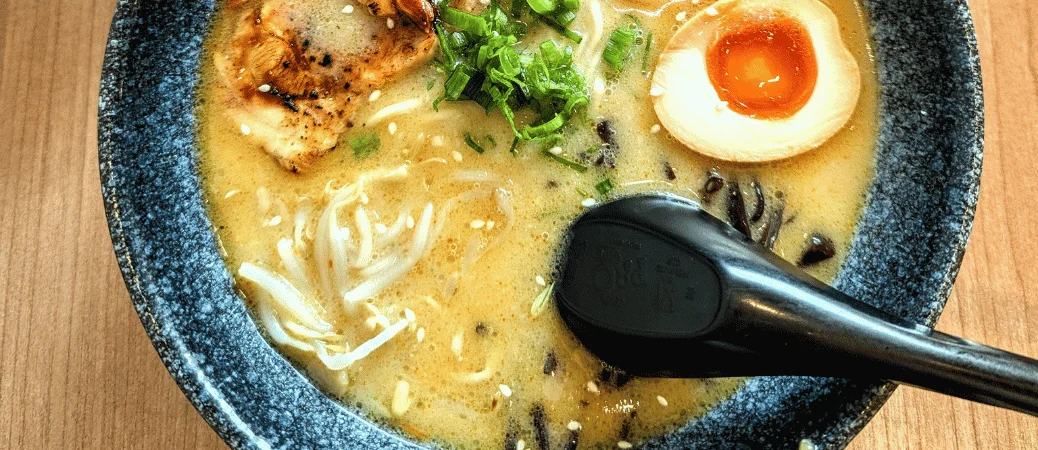
- Soup without hard chunks
Keep temperatures mild. Piping hot soup or ice-cold smoothies can trigger a sharp zing in a tooth that is still settling down.
How to Add More Variety as Tenderness Improves
By day two or three, many patients feel comfortable adding slightly heartier foods. Soft pasta, flaky fish, well-cooked vegetables, rice, and scrambled tofu all work well at this stage.
Keep chewing on the side away from the treated tooth, and cut food into smaller pieces so you are not relying on a hard bite to break it down.
You can gradually return to a wider variety of foods as tenderness improves. Continue avoiding hard or forceful chewing on the treated tooth until your dentist confirms that its restoration is complete.
Which Foods Should You Avoid While the Tooth Is Vulnerable?
Hard, sticky, and extreme-temperature foods are the main things to avoid while your tooth has a temporary filling or restoration in place.
A temporary filling is designed to be removed easily at your next appointment, which also means it is easier to dislodge by accident.
Hard and Crunchy Foods That Put Pressure on the Tooth
Nuts, hard candy, raw carrots, chips, and crusty bread all concentrate force on one small point. That is exactly the kind of pressure a tooth recovering from root canal treatment is not ready for.
These foods are fine again once your dentist confirms the tooth is fully restored.
Sticky Foods That Can Dislodge a Temporary Filling
Caramel, taffy, gummy candy, and chewing gum pull at a tooth as you chew. A temporary restoration is not built to withstand that kind of tugging, and losing it exposes the cleaned canal to bacteria again.
If your filling does come loose, call your dentist rather than waiting it out.
When Hot or Cold Foods Feel Uncomfortable
The area around a treated tooth may feel tender for several days. Hot or cold foods may also cause discomfort in nearby teeth or irritated tissues. Choose mild temperatures if your mouth feels sensitive.
When Can You Return to Normal Chewing?
Avoid hard or forceful chewing on the treated tooth until your dentist confirms that its final restoration is complete and it is safe to use normally.
Some teeth need crowns, while others may be restored with permanent fillings.
Why Feeling Better Is Different from Having a Restored Tooth
Root canal treatment cleans and seals the inside of the tooth, but it does not rebuild the outer structure that decay or a crack removed.
A tooth may be more vulnerable to fracture when decay, cracks, or previous dental work have weakened its structure.
Your dentist will determine whether a filling or one of the available dental crowns and bridges treatments is appropriate for restoring your tooth.
How to Chew Before Your Final Restoration
Chew on the opposite side while your tooth has a temporary restoration, unless your dentist advises otherwise. Avoid biting directly into hard foods with a treated front tooth until its final restoration is complete.
What Changes After a Permanent Crown Is Placed
Once your permanent crown is set, the tooth regains much of its original strength and can handle regular chewing again.
Your dentist may still ask you to avoid very hard foods on that side for a short time right after cementation, depending on the material used.
From that point on, the tooth can generally function like any other in your mouth.
How Can You Protect the Tooth During Recovery?
Gentle oral hygiene and watching for warning signs are the two biggest things you can do to protect a treated tooth during recovery. Skipping brushing out of fear of pain usually causes more problems than it solves.
Brushing and Flossing Around the Treated Tooth
Keep brushing twice a day, including around the treated tooth, using a gentle touch near the gum line. If you have a temporary restoration, follow your dentist’s instructions for flossing so you do not accidentally dislodge it.
Once your treatment is complete, regular dental visits and professional teeth cleaning can help maintain your overall oral health.
When to Call Your Dentist or Endodontist
Contact your dentist or endodontist if pain worsens instead of improving, swelling develops, or your bite suddenly feels uneven.
If you are experiencing persistent discomfort, understanding your options for severe tooth pain treatment can help you recognize when professional attention is needed.
A temporary filling that falls out, cracks, or feels rough also needs prompt attention rather than a wait-and-see approach. Good root canal aftercare means treating these signs as a reason to call, not something to tough out.
If you are weighing a root canal against other options for a damaged tooth, this comparison of root canal vs extraction walks through how each approach affects your long-term options.
Eat Comfortably While Protecting Your Treated Tooth

Eating after a root canal comes down to a few simple habits: wait for the numbness to clear, lean on soft foods for the first few days, and keep hard chewing off the treated tooth until the permanent restoration is in place.
Most discomfort fades within a week, but the tooth’s real protection depends on finishing the restoration process your dentist recommends.
Every mouth heals a little differently, so your dentist’s specific instructions for your restoration always take priority over any general timeline.
If you are recovering from root canal therapy and have questions about your temporary filling or crown schedule, the team at Borderview Family Dental can walk you through exactly what your tooth needs next.
Frequently Asked Questions
Can I eat rice after a root canal?
Yes, rice is one of the easier first meals after a root canal. It needs very little chewing and has no hard edges to stress the tooth. Let it cool to a mild temperature first, and chew on the opposite side of your mouth.
Can I eat ice cream after a root canal?
Ice cream is fine once any numbness has worn off, though cold temperatures can feel uncomfortable for the first day or two.
Choose a soft variety without nuts, candy pieces, or crunchy mix-ins. If cold triggers a zing near the treated tooth, give it a little time to melt first.
Can I eat a burger two days after a root canal?
A soft bun with well-cooked, tender filling can work two days out, but a thick burger that requires a big, forceful bite is risky for a tooth with a temporary filling.
Cut it into smaller pieces and chew on the untreated side. Skip crunchy toppings like raw onion or crisp lettuce if they bother the area.
Can I eat grilled cheese after a root canal?
Grilled cheese is generally a safe choice as long as the bread is soft rather than heavily toasted or crusty. The cheese itself requires minimal chewing.
Let it cool from hot to warm before taking a bite, since melted cheese holds heat.
Can I eat regular food with a temporary filling?
You can eat many soft, easy-to-chew foods with a temporary filling, but avoid hard, sticky, and very crunchy items until your dentist completes the final restoration.
A temporary filling is meant to come out easily for your next appointment, which means it is also easier to crack or dislodge by accident. Chewing on the opposite side is the simplest way to protect it in the meantime.