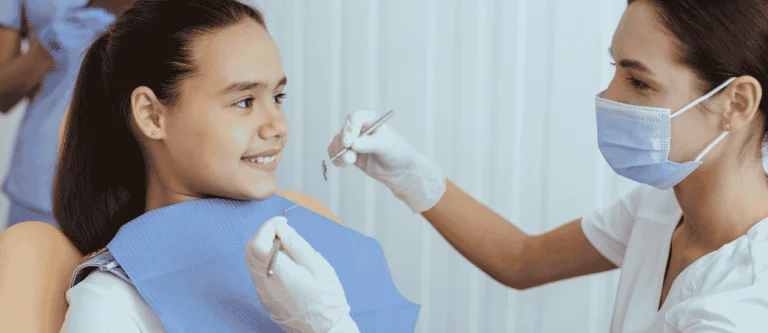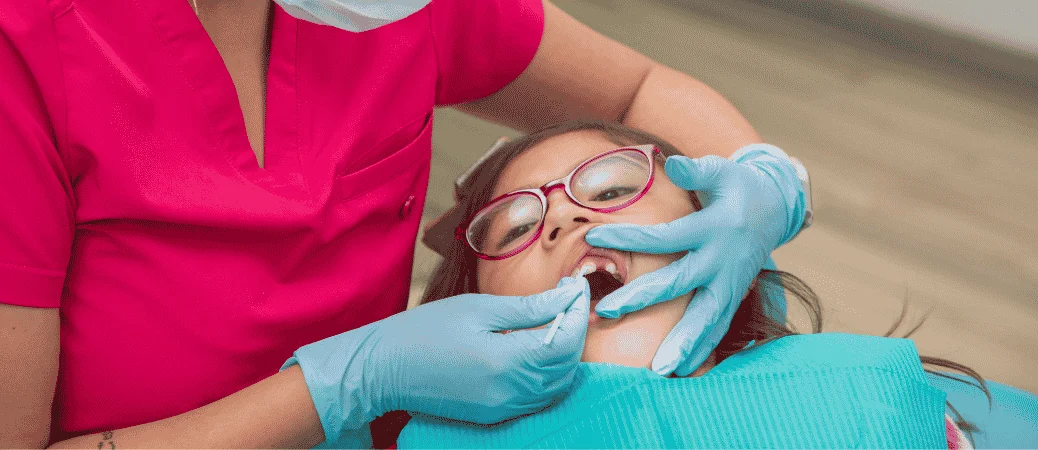
Fluoride treatment for kids is a quick, generally painless preventive dental procedure that helps strengthen tooth enamel and reduce the risk of cavities.
But how often your child needs it depends on their age, cavity risk, and overall fluoride exposure.
Professionally applied fluoride varnish can help prevent cavities in children, including those with newly erupted teeth.
The recommended frequency depends on age, cavity risk, and guidance from a dental or medical professional.
You may still have fair questions. You may have heard about white spots, brain development, or news about fluoride in water.
Those concerns deserve real answers, and they make more sense once you separate a small, supervised dose painted on teeth from the fluoride your child swallows every day.
Key Takeaways
- In-office fluoride strengthens enamel and helps reverse the earliest stage of decay.
- Varnish is the preferred choice for young kids, and visit frequency should follow cavity risk.
- Most safety concerns involve swallowed fluoride over time, so tracking total exposure is the smart move.
What Is a Fluoride Treatment, and How Does It Work?
A fluoride treatment is a high-strength dose of topical fluoride that a dental or medical professional applies straight onto your child’s teeth.
It works on the surface of the enamel, feeding back minerals that acid pulls out and making that outer layer harder to dissolve.
That surface repair is what lets fluoride halt tooth decay at its earliest, still-reversible stage.
What Happens When Fluoride Meets Tooth Enamel?
Every time your child eats or drinks something with sugar or starch, mouth bacteria make acid. That acid pulls minerals like calcium and phosphate out of the enamel, which is the hard outer shell of each tooth.
Fluoride steps in during that tug-of-war. The CDC explains that fluoride replaces lost minerals and can make the outer enamel layer harder to dissolve, and it also makes it harder for cavity-causing bacteria to stick to teeth and produce acid.
A pediatric fluoride treatment delivers a much stronger dose than toothpaste. Over-the-counter toothpaste holds about 1,000 to 1,500 ppm of fluoride, while professional varnish contains about 22,600 ppm. Because varnish is painted on in a thin layer, the total amount on your child’s teeth stays small.
Can Remineralization Stop Early Tooth Decay?
Yes, at the very first stage. Before a cavity becomes a hole, it shows up as a chalky white spot where the enamel has lost minerals. At that point, the damage can still be repaired.
Johns Hopkins Medicine describes this “remineralization” as fluoride attracting calcium and phosphate to stop the acid and rebuild the enamel.
In the chair, these white spots are often what prompts a dentist to suggest more frequent treatments.
Once decay breaks through the enamel into a true cavity, fluoride cannot fill it back in. That tooth will need a repair, such as one of the options described in this guide to your child’s first dental filling.
Watching for early warning signs at home helps, and these 5 signs your child may be dealing with tooth decay are a useful checklist.
What Are the Benefits for Children’s Teeth?
The main benefit of fluoride treatment is fewer cavities, which means less pain, fewer fillings, and fewer stressful dental visits for your child.
Fluoride also strengthens enamel on teeth that are brand new and most at risk, from the first baby tooth to the last molar.

How Does Fluoride Help Prevent Cavities?
Cavity prevention is where fluoride has the strongest record. Tooth decay is the most common chronic condition in childhood, and the American Academy of Pediatrics notes it is almost completely preventable and hits low-income families hardest.
Professional treatments add a layer of protection on top of daily habits.
The benefits of fluoride build on each other:
- Stronger enamel that stands up better to acid from snacks and drinks
- Repair of early white spots before they turn into cavities
- Less acid from bacteria sticking to the teeth
- Fewer and smaller cavities, which means less drilling later
This kind of preventive dental care pairs well with sealants, which cover the deep grooves of back teeth. You can read more about the benefits of dental sealants if your child has new molars coming in.
Why Protect Baby Teeth and Newly Erupted Adult Teeth?
Baby teeth matter for chewing, speech, and holding space for adult teeth. Their enamel is thinner than adult enamel, so decay spreads through them quickly.
A cavity in a baby tooth can cause pain and infection, and it can lead to early tooth loss.
Newly erupted adult teeth are vulnerable too. A fresh tooth has enamel that has not fully hardened yet, and the six-year molars sit far back where little brushes miss them.
Fluoride applied in the months after a tooth comes in helps that enamel mature stronger.
Strengthening tooth enamel during these windows gives your child a better start. Fluoride treatment can prolong the life of baby teeth and delay the need for costly dental work.
When Should Kids Get Treatment, and What Happens at the Visit?
Fluoride treatment can begin as soon as your child’s first tooth appears, and the right schedule depends on how likely your child is to get cavities.
The visit itself takes only a few minutes. Varnish is the usual choice for young children, and the aftercare is simple.
At What Age Can Treatment Start, and How Often Is It Needed?
Your child can get fluoride varnish once the first tooth comes in, often around 6 months. That also lines up with the recommended first dental visit age, so the first exam is a natural time to start.
For children under 5, a pediatrician or dentist may recommend varnish two to four times a year.
The U.S. Preventive Services Task Force also supports fluoride varnish for children younger than 5, starting with the first tooth, whether it is placed at the dentist or the pediatrician’s office.
After age 5, frequency follows risk. Dentists weigh factors like these:
| Cavity risk | What raises it | Common fluoride schedule |
| Low | No past cavities, fluoridated water, steady brushing | At routine checkups, or as advised |
| Moderate | Some sugary snacking, missed bedtime brushing | Every 6 months |
| High | Past cavities, white spots, unfluoridated water | Every 3 to 6 months |
At Borderview Family Dental, the goal is to fit the schedule to your child, so expect your dentist to ask about snacks, drinks, water source, and brushing at each of your child’s dental exams and cleanings.
What Is the Difference Between Varnish, Gel, and Foam?
All three are professional fluoride treatments. The main difference is how they go on and how much a child might swallow.
- Fluoride varnish: A sticky coating painted onto the teeth with a small brush. It sets when it touches saliva, so very little gets swallowed. It is the preferred option for children under 6.
- Fluoride gel: Placed in a tray that fits over the teeth. The CDC notes gel or foam is applied in the office for 1 to 4 minutes, and you may also be prescribed gel for home use.
- Fluoride foam: Works like gel in a tray, but feels lighter in the mouth.
Young children tend to swallow gels and foams, which can cause nausea and vomiting. That is why varnish is used for babies and toddlers. Older kids who can sit still and spit may do fine with any of the three.
For kids who feel nervous, varnish is the easiest option. It is painted in about two minutes with no trays. If your child struggles with visits, these tips on dental anxiety in children can help you prepare.
What Should Kids Do After Treatment?
Aftercare is short and easy. With varnish, your child’s teeth may look a little yellow or feel slightly fuzzy. That is normal and goes away after brushing.
Follow these steps after a varnish visit:
- Offer soft foods and cool or lukewarm drinks for the rest of the day.
- Skip hard, crunchy, or sticky foods until the varnish is brushed off.
- Avoid very hot drinks for several hours.
- Brush the varnish off gently, usually that evening or the next morning, 4 to 12 hours after the visit.
After gel or foam, your child may be asked to avoid eating or drinking for about 30 minutes so the fluoride can soak in.
Is Fluoride Safe for Kids?
Fluoride is safe for kids when used in the right amounts, and the biggest risks come from swallowing too much over months or years. A single supervised treatment adds very little to your child’s body.
The concerns worth your attention involve total daily exposure from toothpaste, fluoride in drinking water, and fluoride supplements.
What Are the Possible Side Effects and Signs of Too Much Fluoride?
The most common effect of too much fluoride is dental fluorosis. It shows up as faint white streaks or specks on adult teeth.
It happens only while teeth are forming under the gums, from birth to about age 8, when a child swallows extra fluoride often.
Most fluorosis in the U.S. is mild, painless, and cosmetic. John Hopkins describes it as faint white streaks that are generally mild and not painful.
Severe fluorosis with brown stains or pitting is rare where water levels follow the 0.7 mg/L guideline.
Other side effects to know about:
- Upset stomach if a child swallows gel or foam
- Allergy or irritation, which is rare
- Acute poisoning from swallowing many supplement pills, which can cause nausea, diarrhea, and in extreme cases death
When professionally applied in recommended amounts, fluoride varnish involves limited systemic exposure and is generally considered safe.
Your child’s dentist can review other fluoride sources to help prevent excessive total exposure.
What Does the Evidence Say About Fluoride and Brain Development?
This concern is reasonable, and the research is still developing. In 2024, the National Toxicology Program concluded with moderate confidence that fluoride exposure above 1.5 mg/L in drinking water is linked to lower IQ in children.
That is more than twice the U.S. recommended level of 0.7 mg/L.
The NTP also said it did not have enough data to judge effects at 0.7 mg/L. Most of the studies came from areas in other countries with high natural fluoride levels.
Fluoride levels in those IQ studies were more than twice what is common in U.S. water.
A supervised varnish application is a different exposure. It is a tiny amount placed on teeth a few times a year, and the child swallows very little. If you are concerned, the most useful step is checking what your child drinks and swallows daily.
How Can Parents Check a Child’s Total Fluoride Exposure?
You can get a clear picture in a few minutes. Start with water, since it is the biggest daily source for most kids.
- City water: Look up your utility’s annual water quality report. It lists fluoride levels.
- Well water: Ask your dentist or local health department about testing.
- Bottled water: Many brands filter out fluoride. Added fluoride must be listed on the label.
- Toothpaste: Use a rice-grain smear under age 3 and a pea-size amount from ages 3 to 6.
- Supplements: Use only if your dentist or pediatrician prescribes them.
Supplement rules have changed. On October 31, 2025, the FDA announced action to restrict unapproved ingestible fluoride drops and tablets for children under 3 and for kids not at high cavity risk.
Topical varnish was not part of that action. If your child takes drops or tablets, ask whether they still make sense.
Which Fluoride Myths Confuse Parents?
Most fluoride myths mix up different sources of fluoride or give one habit credit for doing every job. Sorting out fluoridated water, toothpaste, and treatments makes the decision clearer.
Myth: Fluoridated Water Makes Dental Treatments Unnecessary
Community water fluoridation lowers cavities, and the CDC credits it with reducing tooth decay by about 25 percent. That still leaves plenty of decay, especially in kids who snack often or already have white spots.
Water provides a steady, low level of fluoride. In-office treatments give a short, stronger boost to high-risk teeth.
A low-risk child in a fluoridated town may need fewer treatments, and a child with past cavities may need more, even with the same tap water.
Myth: Fluoride Toothpaste Is Unsafe for Toddlers
Fluoride toothpaste is recommended from the first tooth. The key is the amount. A rice-grain smear protects baby teeth while keeping the swallowed dose very small if your toddler doesn’t spit.
The CDC suggests you talk with your doctor or dentist about fluoride toothpaste for children younger than 2, which is a good moment to ask about your child’s risk. Put the paste on yourself, and keep the tube out of reach.
Myth: Fluoride Replaces Brushing and Other Dental Care
Fluoride works best alongside daily habits. It does not scrub away plaque or food stuck between teeth.
Good pediatric dental care still includes:
- Brushing twice a day for two minutes
- Flossing once teeth touch
- Limiting juice, soda, and sticky snacks
- Water between meals
- Regular checkups as part of general and preventive dentistry
Skip the rinse after brushing. Spitting is fine, but rinsing washes away the fluoride left on the teeth.
Choosing Fluoride Care That Fits Your Child

The best fluoride plan for your child starts with that child’s cavity risk and total daily exposure.
For most young children, that means fluoride toothpaste in the right amount, tap water when it is fluoridated, and varnish at checkups.
Bring these questions to your next visit:
- Is my child low, moderate, or high risk for cavities?
- How often should my child get varnish?
- Does our water have enough fluoride, or too much?
- Does my child need a supplement, or should we stop one?
- Are there white spots I should watch?
If this is your child’s first dental appointment, reviewing our first visit expectations can help you prepare.
Our team at Borderview Family Dental can also discuss your child’s cavity risk and whether fluoride treatment should be part of their preventive care plan.
Your concerns about fluorosis and brain development are worth raising, and a good dentist will answer them openly.
Children’s dental health improves most when you and your dentist adjust the plan together as your child grows.
Frequently Asked Questions
Do kids really need professional fluoride treatments?
Most young children benefit from them, especially under age 5 or with any history of cavities. Low-risk older kids in fluoridated areas may need them less often. Your dentist should set the schedule from a risk check at each visit.
Is fluoride treatment good or bad for toddlers?
Fluoride varnish is good for toddlers and is recommended from the first tooth. It sets quickly on contact with saliva, so very little is swallowed. Gels and foams are better saved for older kids who can spit.
What is the downside of fluoride treatment?
The downsides are minor for most kids: a brief yellow tint, a fuzzy feeling, and a few food limits for the day. Gel or foam can upset the stomach if swallowed.
Fluorosis risk comes mainly from swallowing toothpaste or supplements over time.
Why are some parents against fluoride for kids?
Some parents worry about fluorosis, brain development, or adding fluoride to public water. Mixed messages on social media and news coverage add to the confusion.
Those worries mostly involve higher swallowed exposure, which differs from a small topical treatment.
Does fluoride lower a child’s IQ?
Some studies have found an association between higher fluoride exposure and lower IQ scores in children.
The National Toxicology Program reported moderate confidence in an association at higher exposure levels, but the evidence was insufficient to determine effects at the U.S. recommended community water fluoridation level of 0.7 mg/L.
These findings should not be treated as evidence that professionally applied fluoride varnish causes the same effects.